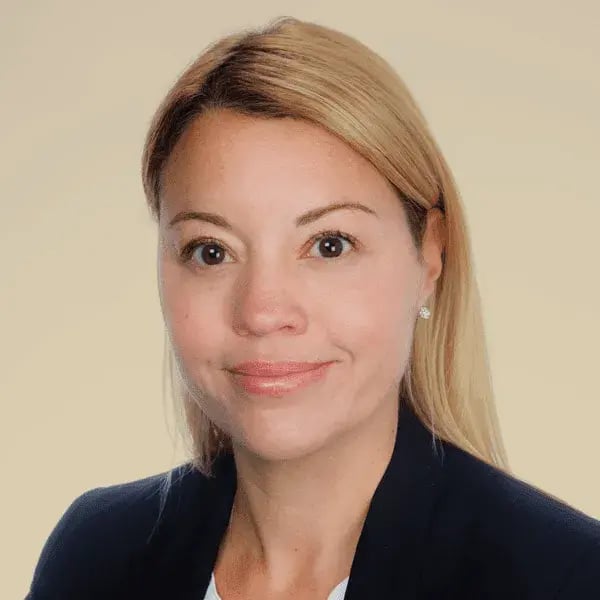
Deborah Dioguardi
EVP, Professional Lines National Practice, Jencap
| CASE STUDY |
One of Jencap’s largest New York restaurant clients — a fine dining establishment with multiple locations and over a thousand employees — was one of the many that took a hit during the COVID-19 pandemic. Their once exclusive dining rooms closed and their employees were collecting unemployment.
Like countless other restaurants across the country, they received notice from their longstanding insurance carrier that their Employment Practices Liability Insurance (EPLI) policy would not be renewed. This left them scrambling to find new coverage before their policy lapsed.
EPLI protects businesses from employee lawsuits ranging from wrongful termination, breach of employment contracts, and mismanagement of employee benefits due to sexual harassment and discrimination. This type of insurance is essential to any business — and was even more so during the pandemic, when emotions ran understandably high and business viability remained uncertain.
At the height of the pandemic, many businesses paused or limited operations. In response, EPLI carriers panicked, fearing the inevitable lawsuits that the pandemic-related layoffs and business challenges would bring. Many EPLI carriers refused to renew existing policies, and if they did, they introduced new, restrictive terms, coupled with soaring deductibles and premiums.
Restaurants, in particular, were hit hard, and an estimated 90,000 were forced to close their doors — either temporarily or permanently — by spring of 2021. Deborah Dioguardi, EVP of Jencap’s Professional Lines National Practice and EPLI specialist, saw countless restaurants struggle to find necessary EPLI coverage.
“When COVID hit, EPLI carriers said, ‘we’re non-renewing all our restaurants,’ because they were scared of the potential claims that could come,” said Dioguardi.
When Dioguardi’s large New York restaurant client came to her for help, she and the Jencap team sprang into action. Dioguardi worked with the client’s retail agent to negotiate a 30-day policy extension with the incumbent carrier. This gave them precious time to source and evaluate alternatives.
“The policy was written on non-admitted paper, so the carrier could have just walked away — without any extension,” Dioguardi explained. “But because of our relationship with the carrier, they agreed to 30 days. And if I needed more, I would have battled for more.”
Leveraging the network and relationships she had built from over twenty years at Jencap, Dioguardi found the “needle in a haystack” EPLI carrier willing to offer a reasonable quote to a New York restaurant that had closed its doors and already laid off much of its staff.
But the fight wasn’t over.
While reviewing her restaurant client’s quote, Dioguardi discovered a significant coverage gap. During the pandemic, many insurance carriers began adding exclusions for situations related to COVID. In this case, the quote had a downsizing and layoff exclusion.
Given that this was the height of the pandemic, the restaurant was already experiencing significant downsizing and organization-wide layoffs. With this policy, none of those risks were covered. Even after persistent negotiation, the new carrier refused to remove the layoff exclusion.
Determined to find a solution, Dioguardi got creative. Her first step was to make sure the restaurant had coverage to protect them against possible future risks. “We put pressure on the new carrier that quoted the risk, and we were able to get them to offer downsizing and layoff coverage going forward.”
From there, Dioguardi and the restaurant’s retail agent worked with the restaurant’s previous carrier to purchase a one-year extended reporting period (ERP), which would protect the restaurant from any past acts related to COVID downsizing and layoffs.
Diogaurdi explained that coming up with creative solutions is just as important as refusing to take “no” as a final answer. “Carriers will compromise, but you have to bring options to the table. Sometimes it’s not your first attempt, and sometimes it’s not your second attempt. And sometimes you’re not successful with the first person you speak with. With experience, you learn when to move on to the next person and get creative.”
A year later, when the new carrier renewed the restaurant’s policy, they agreed to remove the downsizing and layoff exclusion and provide full coverage for prior acts. This meant the restaurant no longer needed to pay for the ERP coverage, which amounted to substantial cost savings.
The COVID-19 pandemic tested the EPLI marketplace. Some carriers stepped up and supported their insureds during this crisis, while other carriers fell short. Due to Jencap’s expertise combined with strong carrier relationships and deep marketplace knowledge, professional lines brokers like Dioguardi provided solutions for our retail agent partners and their insureds during an unprecedented time in history.
EVP, Professional Lines National Practice, Jencap
Why “E&O Coverage” Can Mean Very Different Things in a Claim
Jan 29, 2026
E&O Coverage Comparison for Agents: How Definitions and Exclusions Shape Claims
Jan 8, 2026
The Cybersecurity Terms Agents Need to Know in 2026
Oct 29, 2025
Think Twice Before Packaging EPLI
Sep 11, 2025
Marine Cybersecurity Rules Are Here: What Agents Should Know
Jul 3, 2025
Why Do Private Companies Need D&O Coverage?
Jun 19, 2025
Navigating D&O Insurance in a Soft Market: When “Easy” Leaves You Exposed
May 22, 2025
Unlocking New Opportunities: R&W Insurance for M&A Deals Under $20M
Oct 24, 2024
The Three Key Cyber Insurance Coverages Every Business Needs
Sep 26, 2024
Nuclear Verdicts: Shaking Up the Insurance World
Sep 19, 2024
Debunking Cyber Insurance Myths: Protect Against Cyber Risks
Sep 11, 2024
Future-Proofing Leadership: AI Challenges and D&O Coverage Solutions
Aug 21, 2024
From real estate and construction to healthcare and hospitality—and everything in between—we offer coverage solutions that protect your clients’ businesses. Get in touch with a Jencap specialty professional lines broker for more information.