The oil and gas sector is used to managing risk, but the ground is shifting under its feet. Once-dependable coverage is being stripped down, priced out, or eliminated altogether. And as carriers tighten their appetites, oil and gas companies are increasingly underinsured at a time when their exposures are growing. We spoke with Loren Henry, VP of Jencap’s Environmental & Energy Practice, to understand what’s shifting and what it means for you and your clients.
Environmental Risks Are Pushing Coverage into Unfamiliar—and Unaffordable—Territory
From groundwater contamination to catastrophic spills, environmental risks are becoming harder and more costly to insure. An increase in pollution claims has also hit carriers hard, particularly because admitted insurers are stuck with state-filed rates and they can’t adjust pricing fast enough to cover the increased exposure.
Instead, carriers are carving pollution out of standard energy insurance policies and forcing it into Excess and Surplus (E&S) Lines. “If your client was paying $250K for a General Liability policy that included pollution, that same pollution piece alone might now run $250K in the E&S market,” Henry explains. Time Element Pollution is another great example of a coverage that used to be a common add-on for lease operators and refineries. Now, according to Henry, many carriers are walking away from the coverage entirely.
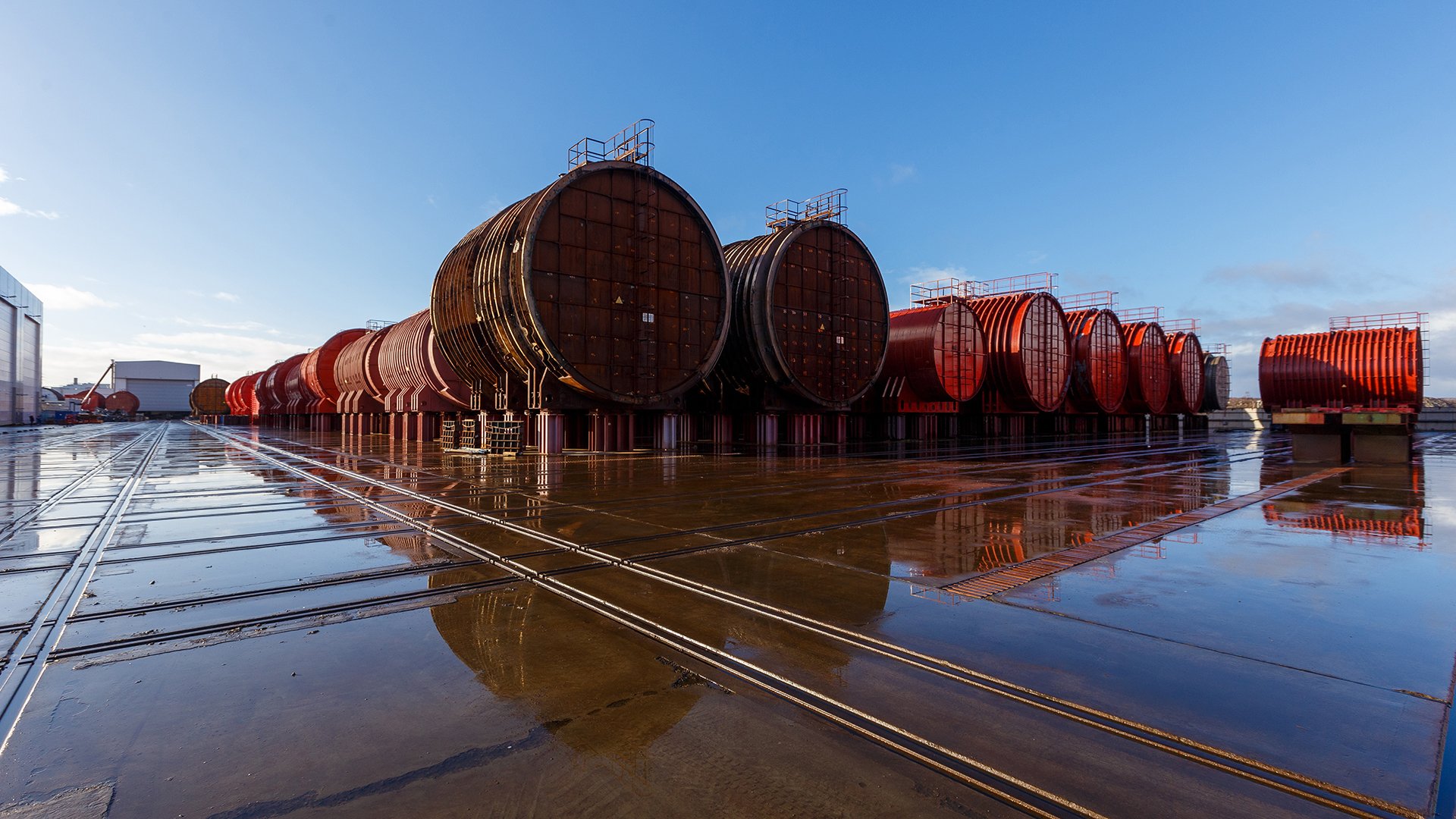
Oil and gas refineries are often located close to waterways or residential property lines, so a spill can easily affect more than one site. It can migrate underground or downstream, triggering multi-property cleanups and increased regulatory scrutiny. “I can’t emphasize the importance of pollution coverage enough for oil and gas operations. The cost of remediation for a pollution event can be astronomical—and if your client doesn’t have the right insurance coverage in place, they are on the hook,” says Henry.
Carriers Are Quietly Exiting the Fossil Fuel Space
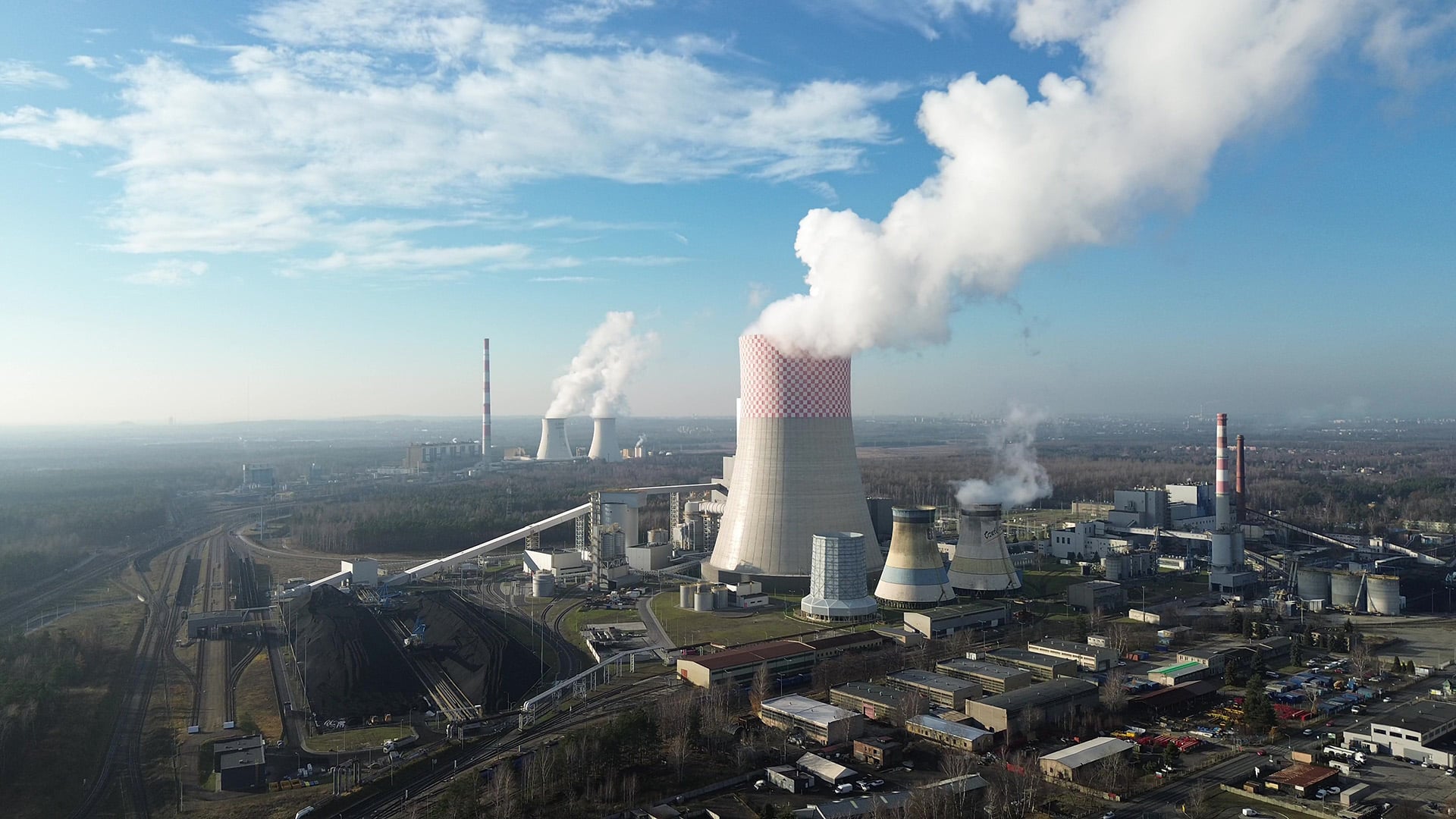
While energy demand remains high, the insurance industry is under increasing pressure to divest from fossil fuels. Climate change liability, ESG mandates, and activist movements are prompting carriers to shrink, or even shut down, their fossil fuel books. “There’s been a concerted movement over the last 10 years to step away from coal and other carbon-heavy energy sources,” Henry says. “Some insurers aren’t writing new coal business. Others are letting accounts roll off as operations shut down.”
But a potential curveball has recently arrived: a series of executive orders were signed in April 2025 to revive coal production. “It could be a catalyst for some carriers to re-enter the space,” Henry says. “But we don’t know yet. For now, access to energy insurance for these operations remains extremely limited.” This retreat isn’t just impacting coal. It’s rippling across all high-risk energy projects, especially those still in the exploration and extraction phase.
“Agents need to understand the broader implications,” Henry warns. “Your client might still be drilling, but if their profile resembles coal in the eyes of insurers, coverage could be hard to find—or prohibitively expensive.”
Underinsurance Is Becoming the Industry Default
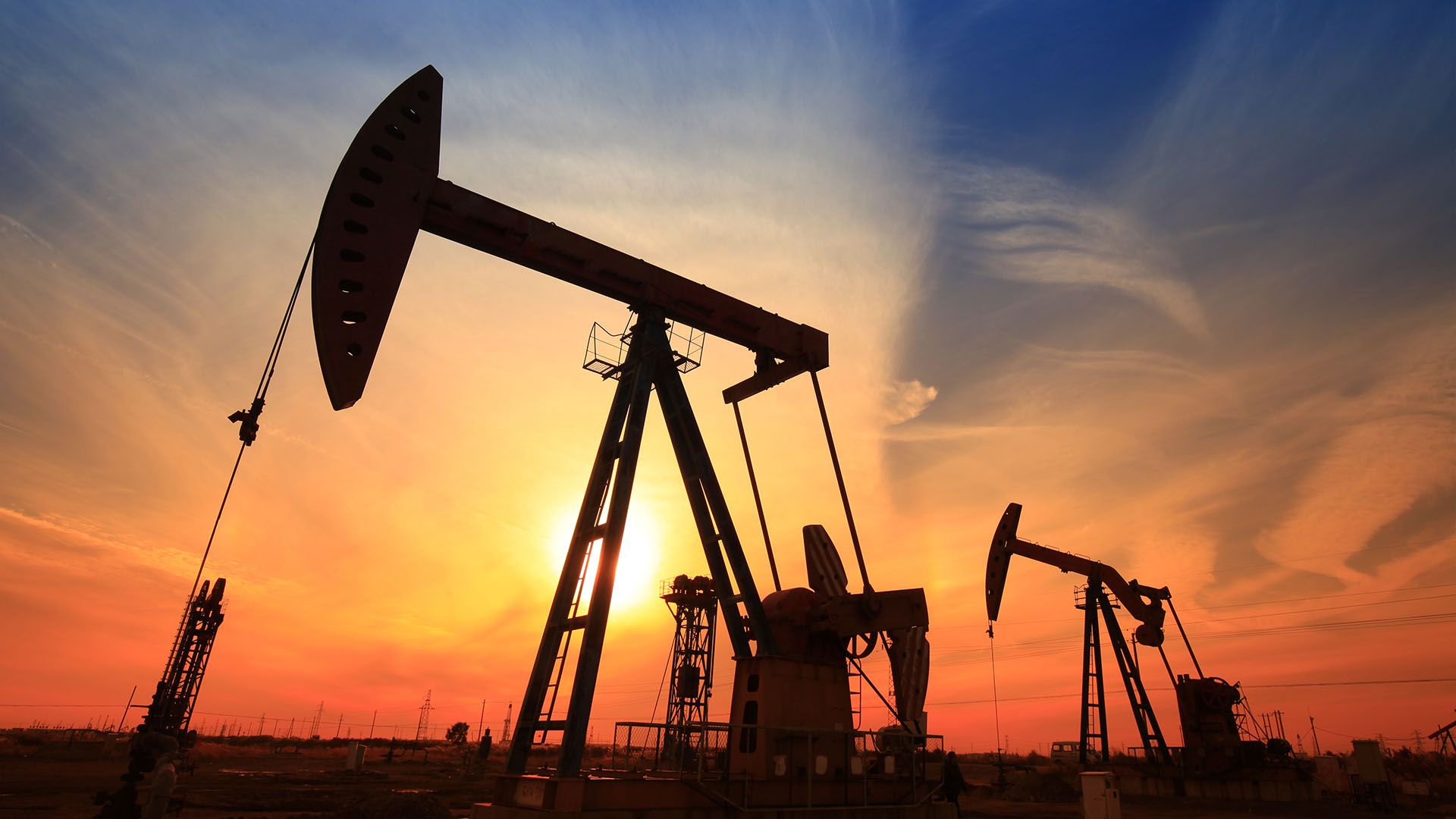
As premiums climb and capacity shrinks, many companies are responding by reducing limits or offering more restrictive policies. That creates dangerous coverage gaps, especially for clients facing high-risk exposures like Control of Well incidents. “Control of Well is one of the riskiest pieces of oil and gas insurance,” says Henry. “We’re talking about well blowouts, explosions, fatalities, pollution. The stakes are high, and so is the cost.”
According to Henry, Lloyd’s of London remains one of the few markets offering robust Control of Well coverage, but their minimum premium is around $50,000. “For operators with fewer than 150 wells, that’s a tough number to afford. So they’re choosing cheaper options—but those often come with sublimits, exclusions, and much more restrictive wording,” he explains.
The result? Coverage that looks comprehensive on paper, but sometimes fails to respond when it matters most. Even when clients secure some level of coverage, it may not include full pollution cleanup, third-party property damage, or business interruption—all critical components after a major event. “Your client might not realize their policy only covers a fraction of what they’d need in a real crisis,” Henry says. “That’s where agents can step in and add real value.”
How Agents Can Help Clients Navigate Capacity Shifts
As an agent, this is your moment to lead by educating your clients, regularly re-evaluating their coverage, and sourcing creative solutions in a constrained market.
- Start with a gap analysis.
Does your client understand what’s no longer included in their oil and gas insurance policies?
- Explore non-admitted markets early.
The E&S market might be expensive, but it’s often the only place to secure pollution coverage or Control of Well protection.
- Look for layered or shared limit programs.
These can help smaller operators manage costs without sacrificing critical protection.
- Don’t wait for renewal.
Market shifts are happening fast. The sooner you act, the more options your clients will have.
“Energy risks are growing. Energy coverage is shrinking,” Henry says. “But with the right strategy, you can still protect your clients and help them stay operational when others can’t.”
Contact Jencap today to work with experts like Loren. Our Environmental & Energy Practice can help you develop a strategy to keep your book of business running smoothly.
The Jencap Environmental Insurance Team
Jencap’s team of environmental underwriters have dedicated their entire careers to the environmental sector — they are environmental professionals that happen to sell insurance. Our brokers have backgrounds as environmental consultants and geologists, which gives you and your clients a significant advantage. When it comes to
environmental coverage, you don’t want a generalist broker. With the Jencap team, you can trust our brokers have worked every angle of the environmental industry and can customize our exclusive program capabilities for any environmental coverage need.