Skip to content

| ENERGY INSURANCE INDUSTRY TRENDS |

Is Going Green Good?

In theory, “going green” is the better option, right? But it’s not always such a clear-cut answer. Two leaders from Jencap’s Environmental Division address this hot topic and the important insurance implications that come along with it.
Jencap_Canaan-and-Loren_Cons-of-Green-Energy_0724_icon_green_icon1-1

The Carbon Conundrum

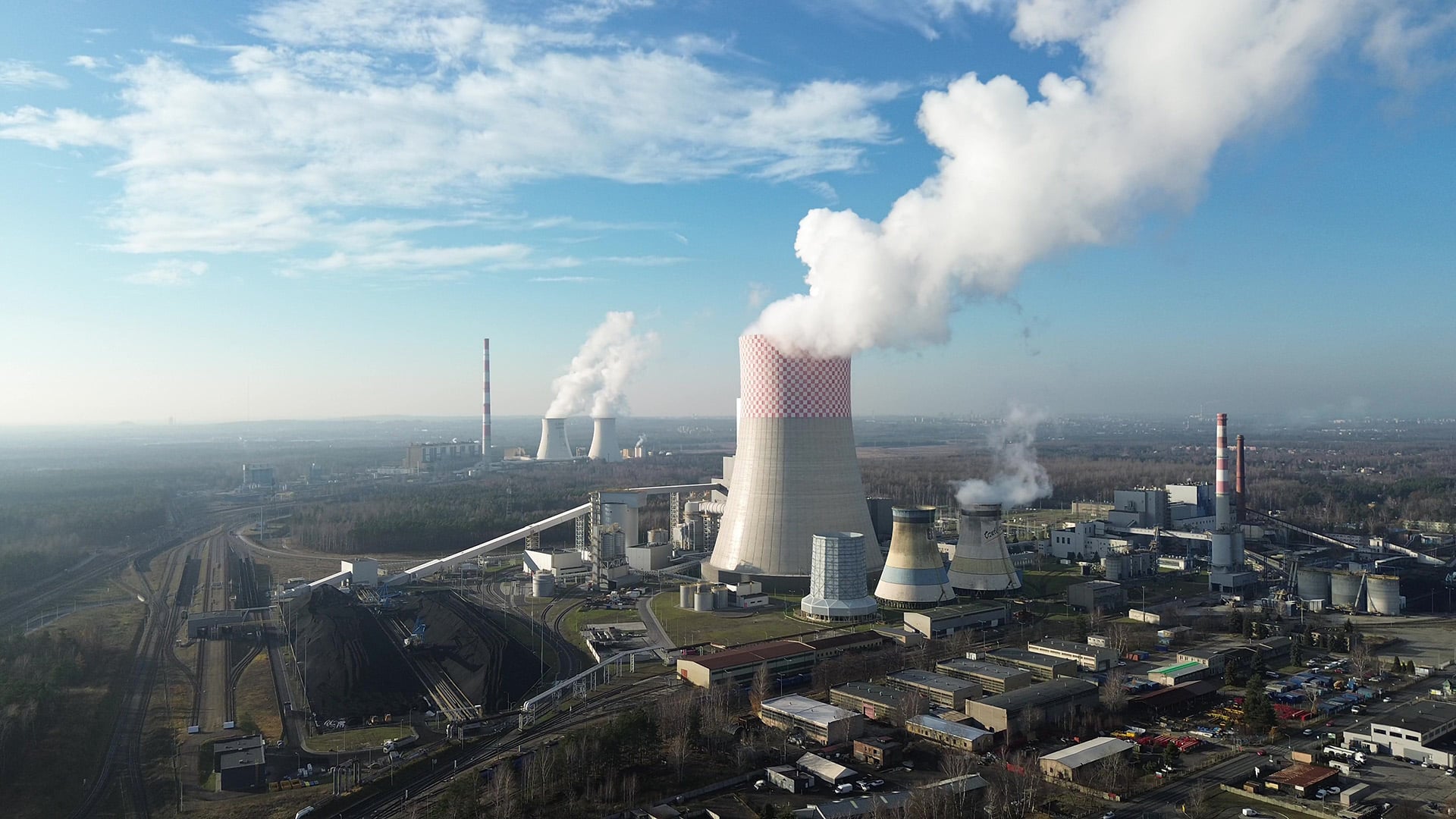
Before the Industrial Revolution, carbon most often entered the atmosphere naturally — think plant and animal respiration, volcanic eruptions and natural wildfires. In the last 150 years, anthropogenic carbon — carbon caused by human activities — has increased dramatically as a byproduct of motive power, oil and gasoline, and electricity. “Going green” has focused on the reduction or removal of carbon dioxide from the atmosphere by using renewable energy sources or improving energy efficiency. But many of these green technologies aimed at carbon abatement rely heavily on materials obtained through resource extraction, which has its own consequences.

Canaan highlights, “No one is talking about the other ramifications of some of the instruments or equipment that go into going green.” While the efforts are well intended, the unintended impact can be just as damaging:

  • The extraction and processing of lithium ore for creation of lithium-ion batteries — used in electric vehicles — involves high energy consumption, contributing significantly to their overall carbon footprint.
  • The environmental damage from mining activities extends beyond air pollution from greenhouse gas emissions and toxic aerosols, deforestation, and biodiversity loss.
  • The extraction process often occurs in regions with scarce water resources and vulnerable ecosystems, exacerbating existing social and environmental conflicts.

Canaan elaborates, “When you do the math and realize how much resource has to be consumed in order to extract the other resource you’re looking for to fuel this green movement, the numbers become staggering.” The sooner we understand unintended consequences of our actions with the green movement, the sooner we can change course, if warranted. Loren emphasizes, “After 100 years of oil and gas, we have a pretty good idea of what that carbon does to the environment. My hope is we don’t take 100 years to figure out what the environmental impacts are from going green.”

WATCH THIS 6-MINUTE VIDEO CLIP TO LEARN MORE

Canaan Crouch
“When you do the math and realize how much resource has to be consumed in order to extract the other resource you’re looking for to fuel this green movement, the numbers become staggering.”
Canaan Crouch EVP, Environmental and Energy Practice, Jencap
Jencap_Canaan-and-Loren_Cons-of-Green-Energy_0724_icon_green_icon3-1

Good Intentions. Negative Byproducts.

Below is a historical timeline of the petroleum industry and its impact. It’s easy to find similarities with what’s happening in the green energy movement today. As Loren and Canaan discuss, learning from the past will be critical to ensuring that our good intentions don’t backfire.

icon_bullseye

Goal

icon_globe

Actual Result

icon_scales

Takeaway

Jencap_Canaan-and-Loren_Cons-of-Green-Energy_0724_icon_green_icon2-1

Taking Green Tech to the Trash

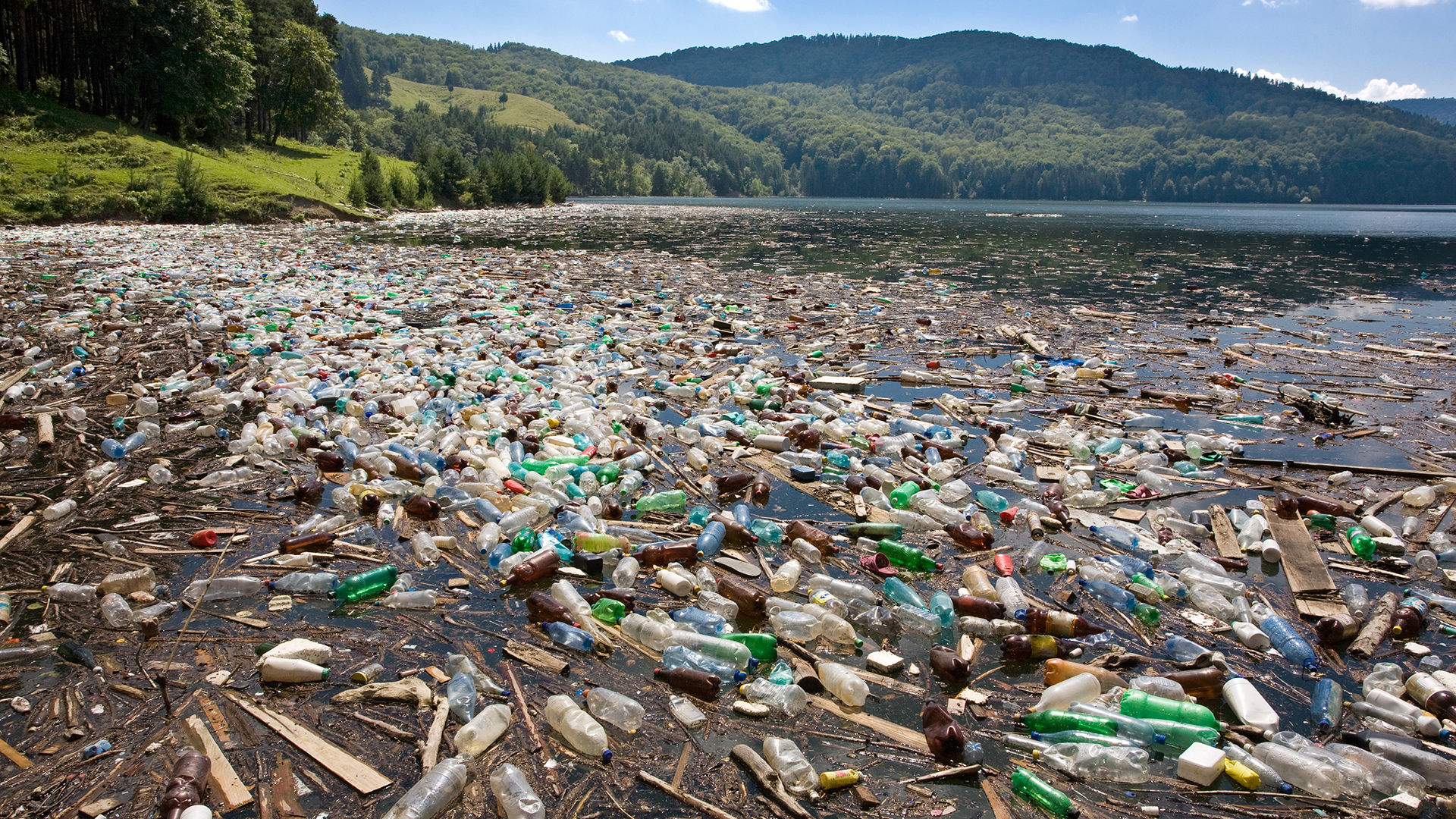
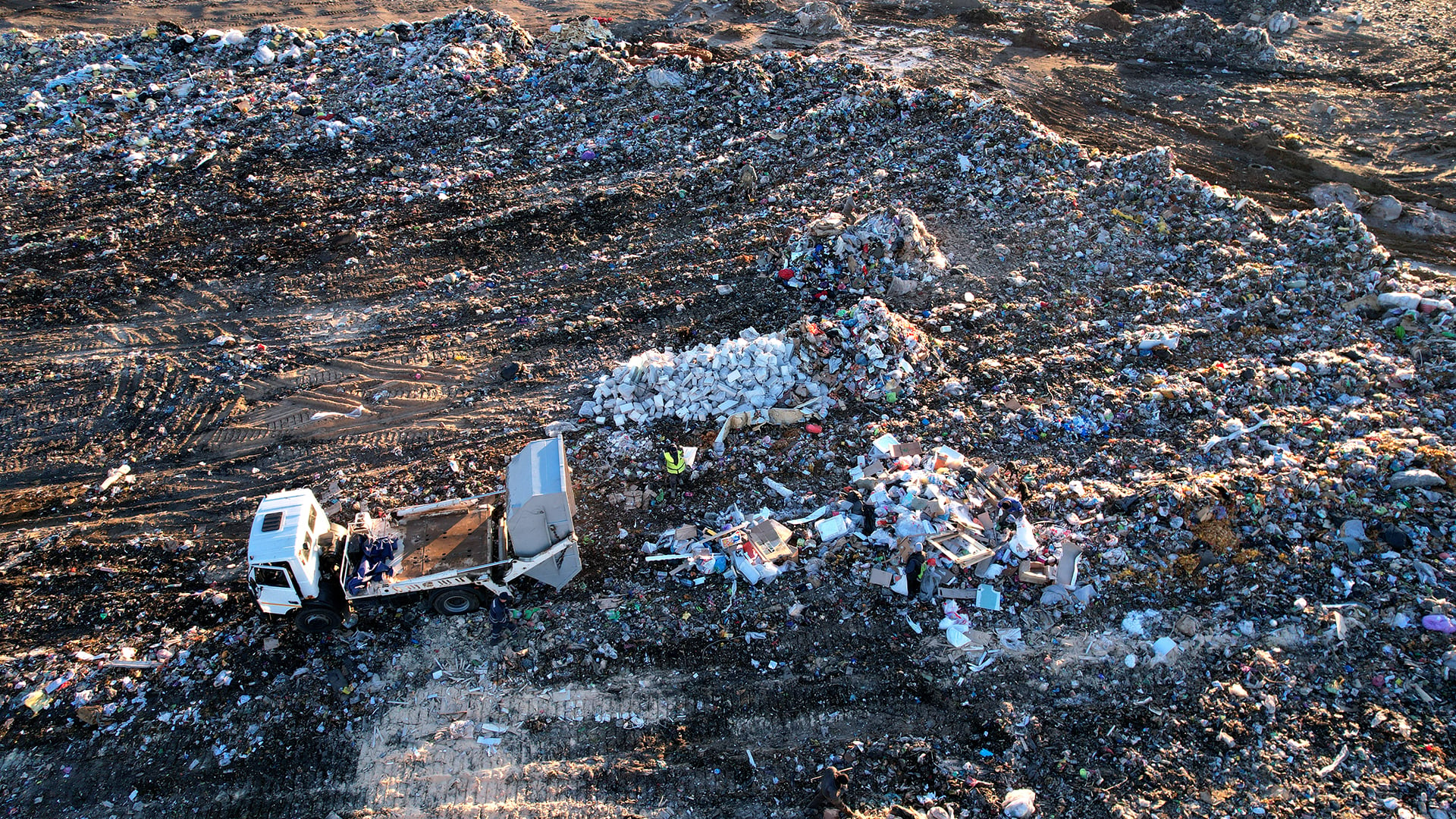
The disposal of materials used in green technologies also poses significant challenges. While there are clear distinctions between hazardous and nonhazardous waste, who’s responsible when we’re done with it and most importantly — who pays for it?


Comparison of hazardous and nonhazardous waste across definition, characteristics, examples, regulations, and cost.
Aspect Hazardous Waste Nonhazardous Waste
Definition Waste that poses substantial or potential threats to public health or the environment Waste that does not pose immediate or long-term risks to health or the environment
Characteristics Toxic, ignitable, corrosive, reactive Safe for standard municipal landfills
Examples Industrial solvents, pesticides, heavy metals like mercury and lead, batteries containing cadmium and lithium Household trash, food scraps, construction debris, yard waste
Regulations and Disposal Governed by strict regulations such as RCRA; requires special handling, storage, transportation, and disposal; disposed of at specialized facilities Less stringent regulations; managed by local municipal waste management systems; disposed of in standard landfills
Cost Implications Significantly higher due to stringent regulatory requirements and specialized processes; up to three times more expensive Lower costs due to fewer regulatory requirements and simpler disposal processes

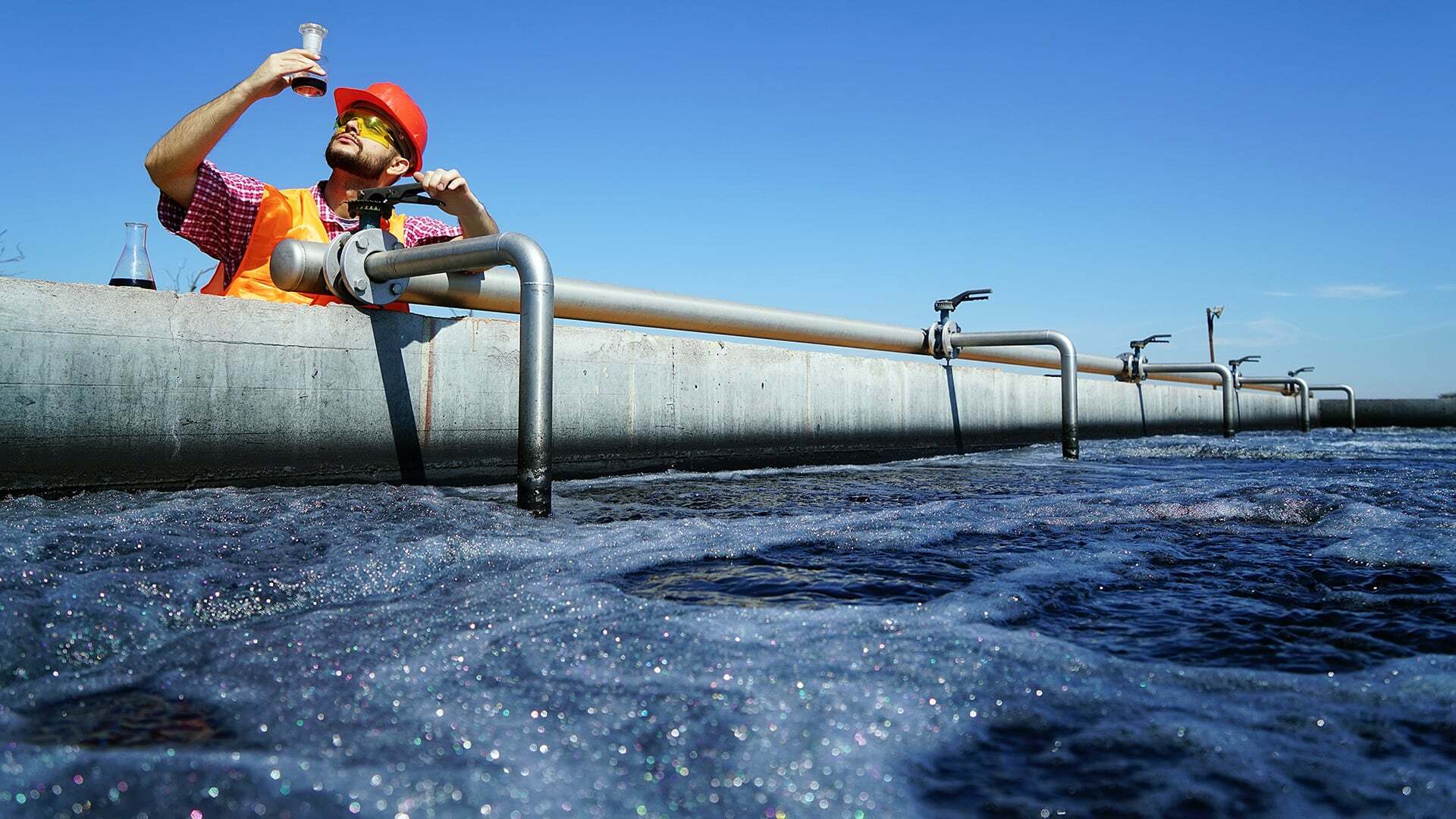
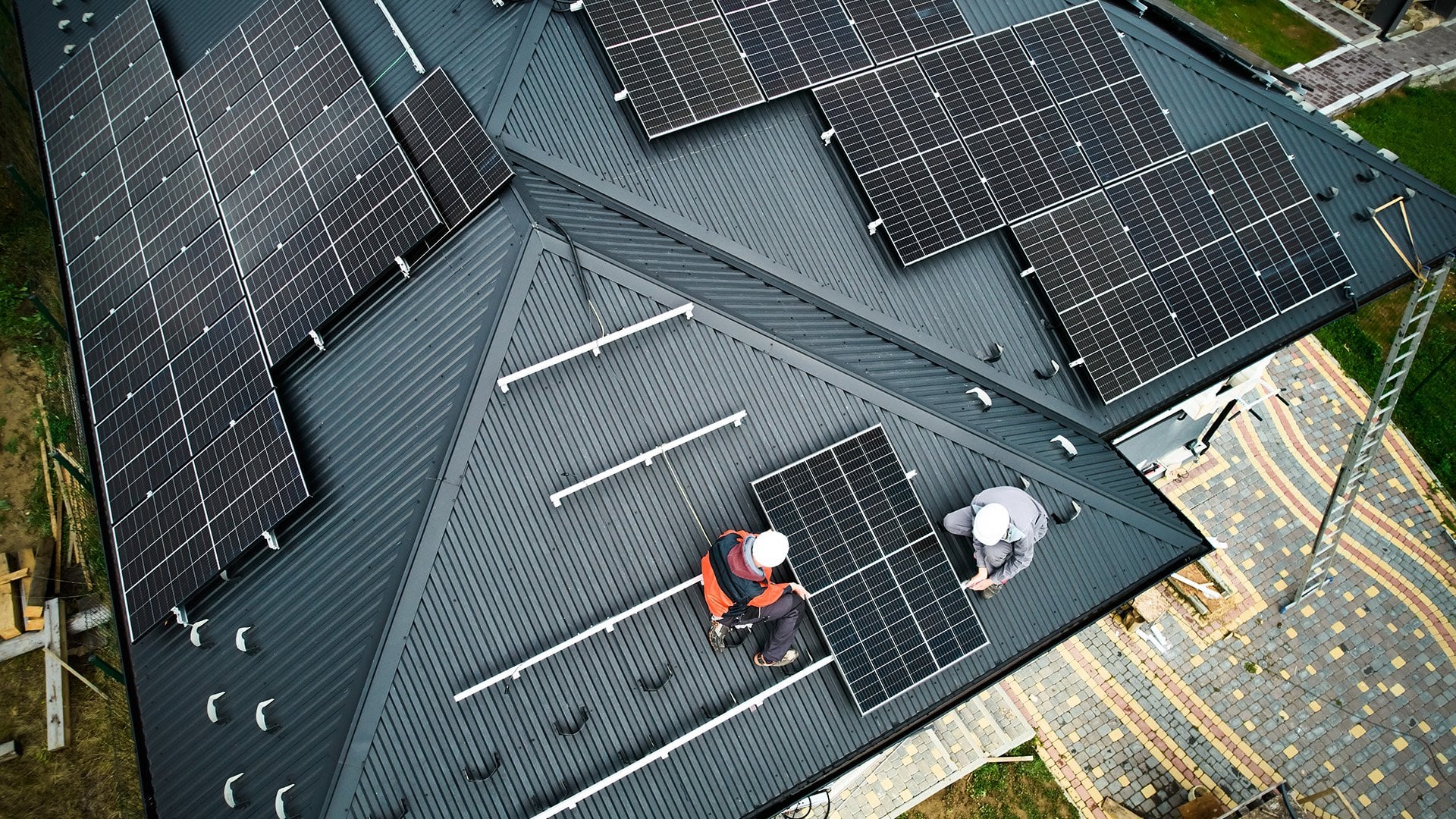
Accurate testing, such as the TCLP (Toxicity Characteristic Leaching Procedure) test, helps identify hazardous components (like cadmium from solar panels, for example), so the waste is treated appropriately and disposed of in the correct type of landfill. But who monitors the disposal to ensure it gets to the proper destination? 

WATCH THIS 9-MINUTE VIDEO CLIP TO LEARN MORE

“Jencap has industry-leading expertise and access to provide those green energy solutions to our retailers and their clients.”
Jencap_Canaan-and-Loren_Cons-of-Green-Energy_0724_icon_green_icon4

Insurance Implications of Going Green

Green initiatives create unique environmental exposures and liability implications, and as such have extremely unique insurance implications. When you are dealing with specialized contractors, hazardous materials, waste generators, and tricky regulations, you can’t leave anything to chance.

Loren and Canaan outline a few real life scenarios that showcase the important role that insurance plays in protecting individuals and businesses from these challenging risk exposures.

icon_cloud

Imagine This

icon_house

Picture This

icon_wallet

Consider This

icon_briefcase

Ponder This

There is one thing that we know. Partnering with a specialized environmental and energy wholesaler is your best path forward in the challenging and risky world of “going green.” Jencap has you covered. 

WATCH THIS 11-MINUTE VIDEO CLIP TO LEARN MORE

Get to Know Jencap’s Environmental and Energy Division.

Jencap’s experienced energy team understands the nuances and intricacies inherent in each industry segment.

From contracts and insurance requirements to upstream and midstream operations, our expertise and broad market access gives you and your clients the advantage – regardless of the risk. Contact us today! 

Stay Informed

Want to receive information from Jencap on timely marketplace trends, hot new product and program launches, and valuable product expertise that will set you up to win? Sign up to receive email communications from Jencap.