It’s a common misconception that personal lines insurance is a commodity product. After all, practically everyone offers homeowners, auto, and umbrella coverage. It’s easy for the typical consumer to assume that if the coverage names are the same, the protection is too. In reality, the machinery behind those policies is built for vastly different levels of risk.
A carrier designed to protect a $350,000 home operates completely differently than one accustomed to insuring estates worth $10 million. As a client’s net worth grows and their assets become more complex, their insurance strategy has to evolve. High net worth (HNW) insurance isn’t just a prestige label; it’s a functional necessity for homes with higher total insured values and unique liability exposures that standard underwriters aren’t equipped to handle.
What Makes an Affluent Client’s Risk Profile Unique?
Once a home crosses the $1 million threshold, the standard rules of insurance start to break down. Yes, we’re likely talking about more square footage, but it’s more than that. Think custom finishes, antique materials, imported finishes, and work that only high end contractors and home builders can perform.
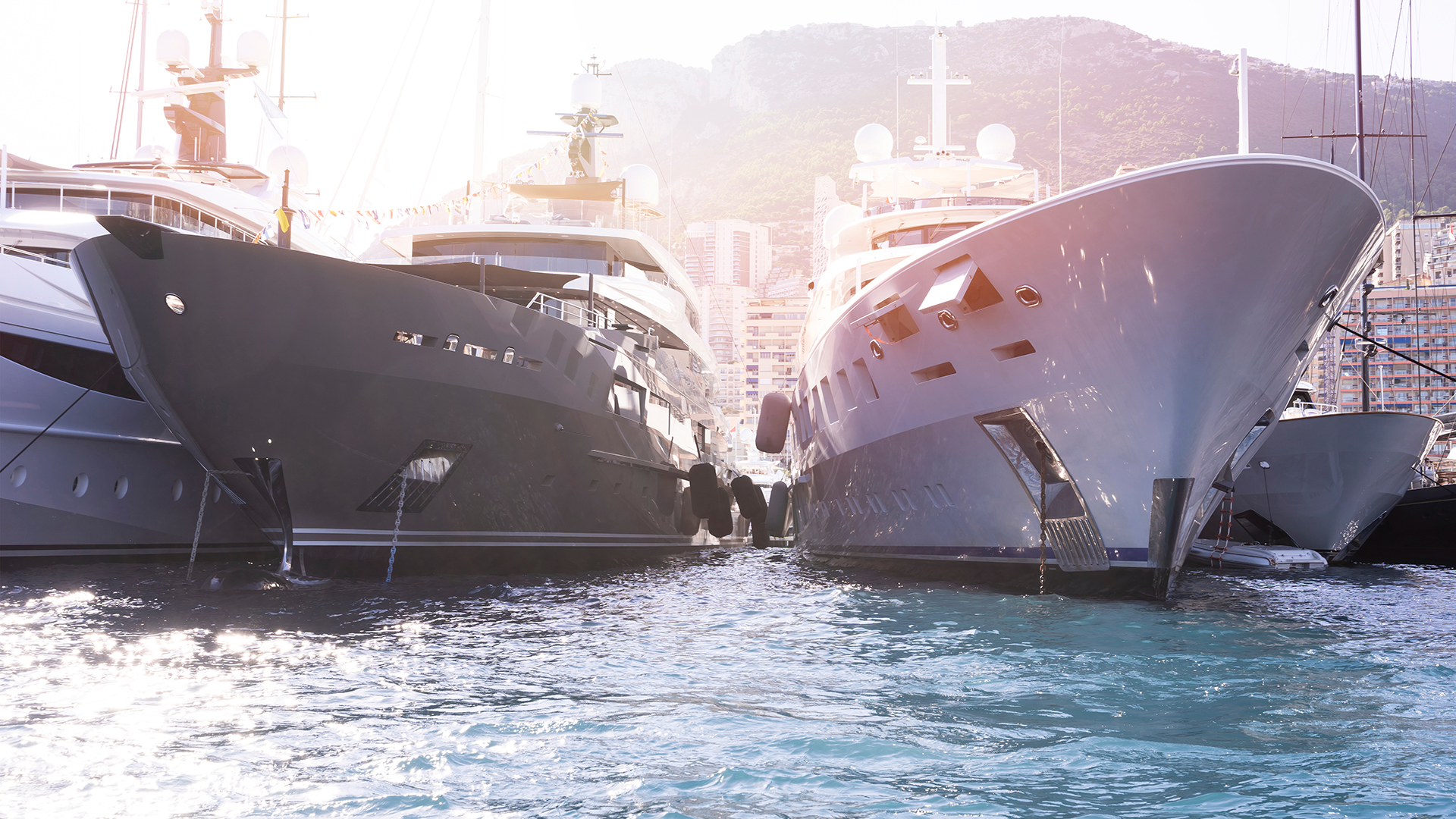
The complexity doesn’t stop at the front door. These households often manage a rotating cast of assets: multiple residences across state lines, luxury collections (fine art, wine, jewelry), and high-value recreational toys like watercraft. Then there’s the human element. Lifestyle factors like employing domestic staff, sitting on charitable boards, or having a high public profile create a target for litigation. Cyber fraud and social engineering also disproportionately affect affluent families. These aren’t unusual circumstances for these clients, but they do change what they should expect from their insurance carrier.
The High Net Worth Insurance Difference
Carriers specializing in this space may come with higher premiums, but you certainly get what you pay for.
Property & Rebuilding
HNW carriers often include unlimited replacement cost coverage, so you never have to wonder if you’d get your house back in the unfortunate event of a total loss. They understand that if a hand-carved mantle is destroyed, “close enough” isn’t an option. The mantle has to be rebuilt with like-kind and quality materials so that you’re getting back what you lost.
Liability Scalability
While standard carriers might cap umbrella limits relatively low, HNW carriers offer limits that actually align with a client’s total asset profile. Depending on the exposures that an insured has, this can exceed 20 million or more.
Claims Expertise
This is the moment of truth. Specialized HNW insurers thrive in any claims scenarios because their coverages were designed with that client in mind. Whatever the path forward that offers the greatest ease for the client, that’s the path they will cover. The client gets to pick any vendor, designer, architect, or contractor of their choosing. HNW insurers find ways to say yes to the client – not to nickel and dime every expense.
When a complex risk is squeezed into a standard carrier’s box, the cracks usually show up at the worst possible time. We often see issues like:
- Replacement coat valuation gaps when standard rebuilding estimates fail to account for the true cost of artisan craftsmanship.
- Disruption in lifestyle. If you’re accustomed to driving a luxury vehicle, they may only pay for a standard vehicle rental. Or if you must leave your home, your affluent client should stay in the Ritz Carlton – not a standard hotel. These details matter.
- A sea of sub-limited coverage throughout the policy; including water damage, mold, valuable articles, content specific caps, etc.
The Strategic Value of E&S Markets
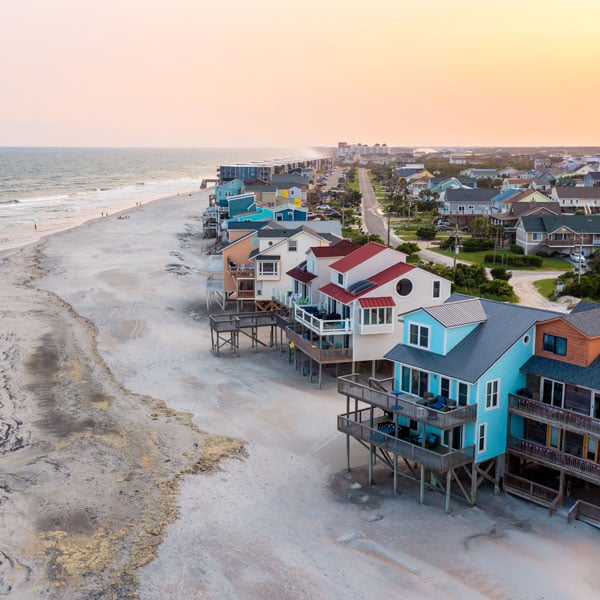
Even the best admitted HNW carrier can’t take on every risk. This is where the Excess & Surplus (E&S) market becomes a lifesaver. Whether it’s a home with a unique coastal exposure, a history of losses, or a need for massive liability capacity, E&S markets provide the underwriting flexibility to build a bespoke solution when the standard answer is “no.”
Moving a client from an admitted program to an E&S solution requires more than just a quote; it requires a partner who understands the nuances of the placement. Jencap works alongside agents to dissect these complex profiles. We help you identify which carriers have the right appetite for your client’s specific assets and lifestyle. The goal is simple: ensure the coverage actually matches the reality of the risk.
The Bottom Line
Insurance isn’t one-size-fits-all because risk isn’t one-size-fits-all. As your clients grow their wealth, their insurance strategy should grow with them. Transitioning an account from a standard market to a high net worth carrier or E&S solution is a strategic commitment to protecting a legacy. By leveraging specialized carriers and E&S flexibility, you can deliver the precision and peace of mind these clients expect.
If you have a complex personal lines risk on your desk or want to explore how our specialized market access can help you win more high net worth insurance business, contact the experts at Jencap today. We’ll help you navigate the nuances and secure the right fit for your most valued clients.
High Net Worth Personal Lines FAQ
What is the primary difference between a standard and high net worth carrier? Standard carriers are built for efficiency and volume, often using broad averages to determine value. High net worth carriers are built for precision, offering specialized features like unlimited replacement cost, higher liability limits, and coverage that accounts for luxury materials and artisan craftsmanship.
At what point should a home transition to a high net worth policy? While there is no hard rule, the transition usually begins when a home’s reconstruction value reaches $1 million or if the home has custom features. Other features that signal the need for a HNW policy include someone with significant collections, multiple residences, domestic employees, or high public visibility.
Why is guaranteed/unlimited replacement cost so important for affluent clients? Standard policies often cap rebuilding costs at a specific percentage over the dwelling limit. For custom homes, the cost of specialized labor and imported materials can fluctuate wildly. Guaranteed replacement cost ensures the home is rebuilt to its original quality, regardless of the final price tag.
How do high net worth carriers handle large collections? Rather than providing a small, blanket limit for personal property, these carriers allow for detailed scheduling of fine art, jewelry, and wine. This provides “all-risk” coverage and usually includes agreed-value settlements, meaning the payout is predetermined based on a recent appraisal rather than depreciated at the time of loss.
When should an agent consider the E&S market for a personal lines risk? The Excess & Surplus (E&S) market is ideal for risks that fall outside of the admitted marketplace. This includes homes with high wildfire or coastal exposure, unique construction types, a history of frequent losses, or clients requiring exceptionally high liability limits that admitted carriers cannot fully accommodate.
The Jencap Personal Lines Insurance Team
Jencap’s industry-leading personal lines underwriters specialize in high-valued homeowners, primary and excess flood, hard-to-place homeowners, and everything in between. The Jencap
personal lines team is the one-stop shop for all your monoline and packed policy needs, with access to 30+ admitted and non-admitted carrier partners.