In today’s market, agents may find themselves delivering bad news to clients renewing their homeowner’s insurance. As labor costs, construction material prices, and inflation continue to rise, carriers are responding with higher premiums. In fact, some experts say premiums may increase up to 6% in 2024, but with the right strategies, agents and brokers can help insureds navigate rising renewal rates this year.
This blog explores the driving factors behind rising homeowners insurance premiums and provides strategies for agents to manage client renewals in a challenging market.
First, What’s Driving Up Premiums?
Several critical factors are pushing up homeowners insurance premiums. By understanding these factors, agents and brokers can clearly communicate the reasons behind rising premiums and help clients navigate rate changes effectively.
Let’s look at some of the primary drivers that are influencing homeowners rate increases:
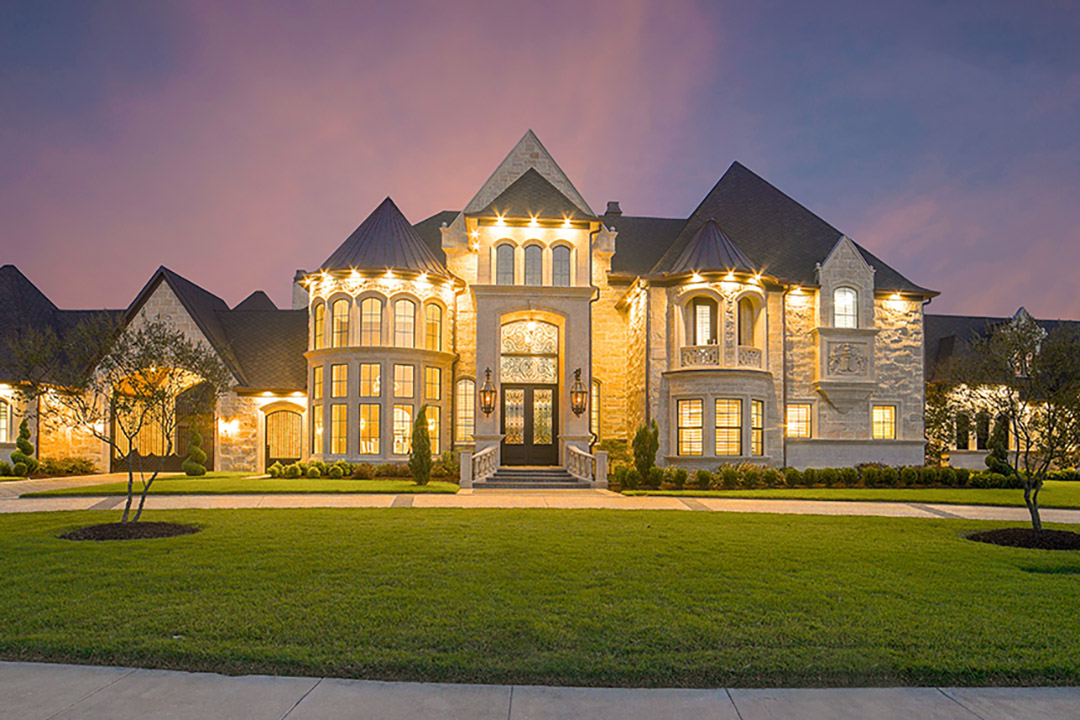
- Construction Cost Adjustment Factor: It’s imperative for insurance carriers to maintain adequate coverage limits on the homes they insure, particularly as construction costs continue to rise. If something unfortunate happens that causes damage to the home and they need to repair, replace or rebuild, the replacement cost value of the home must be correct. With a variety of economic factors increasing the cost of overall reconstruction, labor and residential building materials, policyholders are seeing their Coverage A limit be increased to offset these factors. As coverage increases, so does the premium.
Some of the factors contributing to increasing replacement cost figures include inflation, cost of labor, supply chain disruptions, and cost of construction materials. Looking specifically at the rising cost of construction materials, there has been a 28 percent increase since 2020. While increases have slowed since the largest price spikes in 2021 and 2022, they generally continue to rise. Even now, the prices of concrete products increased 12 percent and paint increased 7 percent in the past year. Steadily rising wage costs (up 12 percent since 2020) due to labor shortages also create upward pressure on premiums.
- Loss History: One significant driver of increasing homeowners insurance premiums is the frequency and severity of claims, particularly those related to natural disasters. In regions where extreme weather events like hurricanes cause widespread destruction, insurance companies face substantial claims. This heightened loss history in specific areas necessitates higher premiums to offset the increased risk. Additionally, an insurer’s financial health is influenced by its combined loss ratio, which measures the ratio of claims paid to premiums received. If this ratio is high, indicating that claims payments surpass premium income, insurers must adjust rates upwards to maintain profitability and ensure financial stability. As commercial entities, insurance companies need to generate a return on investments, and part of managing this balance involves recalibrating premiums in response to losses.
In 2023, the United States experienced 28 distinct billion-dollar weather and climate disasters, as reported by the NOAA National Centers for Environmental Information. This marked increase in frequency and cost of natural catastrophes—including hurricanes, droughts, heatwaves, floods, tornados, and hail storms—has had a pronounced impact on the insurance industry. The occurrence of nine disasters costing between $3-6 billion each highlights a significant escalation from the three incidents recorded in 2021 and 2022 combined. Such trends strain insurers, who must increase premiums to manage the financial burden of more frequent and severe claims.
- Risk Location: Homeowners insurance rates in regions prone to severe weather are likely to be more impacted by changing construction costs. Homes located in thriving real estate markets may also face higher construction costs, and therefore higher replacement cost values, resulting in higher insurance rates.
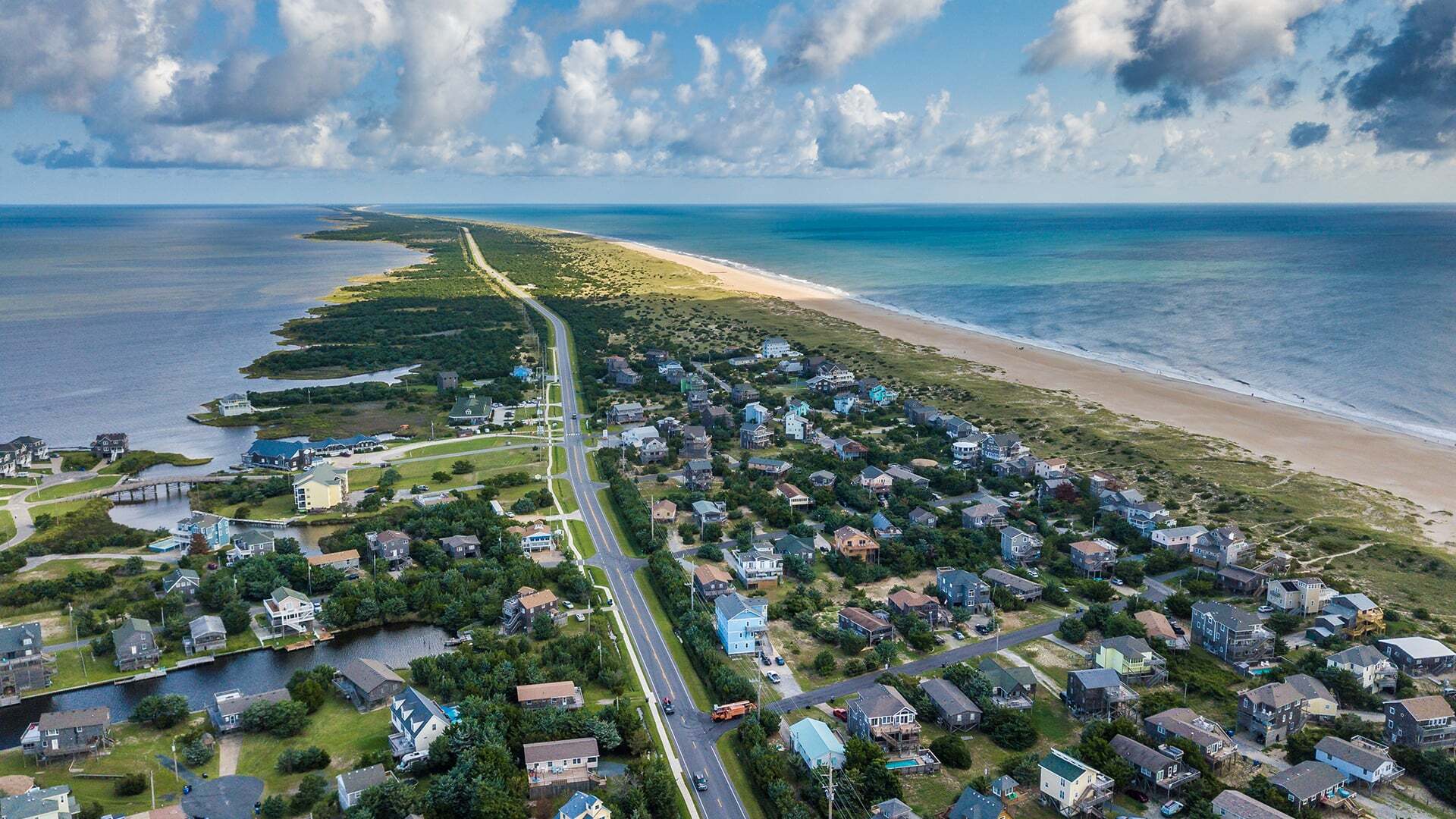
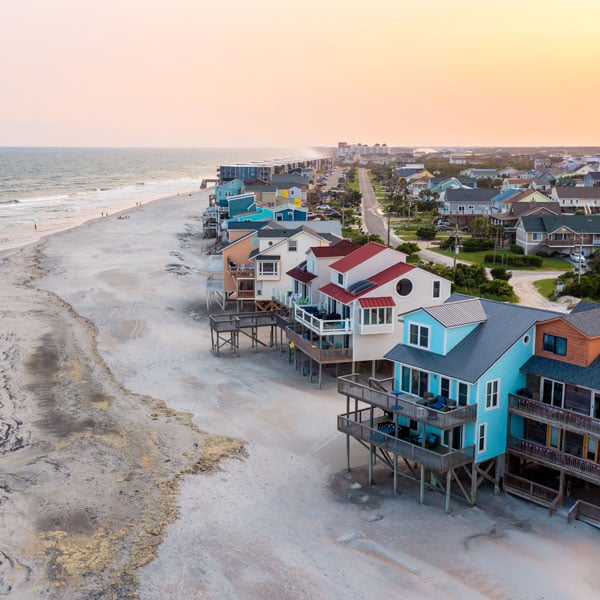
This is a problem because more people are moving into high-risk areas. Real estate firm Redfin found that there is a significant trend of net migration into counties in the United States that have the highest risk of flooding, wildfires, and heat. Net migration to the most flood-prone counties increased 103 percent in 2022, while net migration increased 51 percent in areas at greatest risk of wildfires and 17 percent in those with the highest heat risk. Construction projects in these areas will be accompanied by higher premiums than in areas with lower risk of severe weather.
Homeowners in such high-risk areas often face difficulties in securing insurance through the standard market due to the heightened risk of insurable events. These risks increase the likelihood of claims, which traditional insurance companies may be reluctant to cover due to the financial risk involved. That’s where excess and surplus (E&S) insurers come into play. While E&S insurers may be willing to cover riskier properties, the risk translates to higher premiums due to the potential for significant losses.
Prepping for Renewal: Proactive Steps for Our Partners
So, what does all this mean when agents are prepping for their clients’ renewals? This evolving market demands a proactive, informed approach to ensure the renewal process is smooth and advantageous for your clients.
Here’s how you can stay ahead this renewal season:
Understand the Current Market
When it comes to renewals, knowledge is power. Savvy agents and brokers will communicate why an insured’s premium is increasing by pointing toward construction cost changes, material increases, labor costs, and inflation factors. Conveying the importance of up-to-date replacement cost values on a home in the event of a loss makes the increased premium easier to swallow.
Embrace Early Assessments
Begin the renewal process earlier than usual to give yourself ample time to assess any changes in property values, risk profiles, and coverage needs. An early start allows for a thorough review of existing policies against current market conditions, ensuring that renewals accurately reflect property and risk changes. This foresight positions you as a strategic advisor to your clients and streamlines the renewal process, mitigating last-minute hurdles.
Keep Up with Property Conditions
In this market, regular updates on the condition and valuation of insured properties are more critical than ever. Encourage your clients to report any improvements, renovations, or significant changes that could affect their property’s replacement costs. Ongoing dialogue ensures that coverage remains adequate and reflects the property’s current state.
Maintain Open Communication with Partners
Establish and maintain a strong line of communication with carriers through a strategic partnership with Jencap. Open dialogue about property conditions, market trends, and anticipated changes can facilitate smoother renewals and position you as a reliable partner, fostering stronger relationships with underwriters and ensuring your clients’ interests are well represented.
The Critical Role of Skilled Insurance Brokers
At Jencap, our knowledgeable brokers are at the forefront of understanding the dynamics of rising costs and insurance market shifts. We’re committed to providing our retail agency partners with the most current insights and solutions to navigate these complex changes. Reach out to Jencap today to learn more about how we can support your needs in this evolving Personal Lines landscape and to obtain a quote.
The Jencap Personal Lines Insurance Team
Jencap’s industry-leading personal lines underwriters specialize in high-valued homeowners, primary and excess flood, hard-to-place homeowners, and everything in between. The Jencap
personal lines team is the one-stop shop for all your monoline and packed policy needs, with access to 30+ admitted and non-admitted carrier partners.