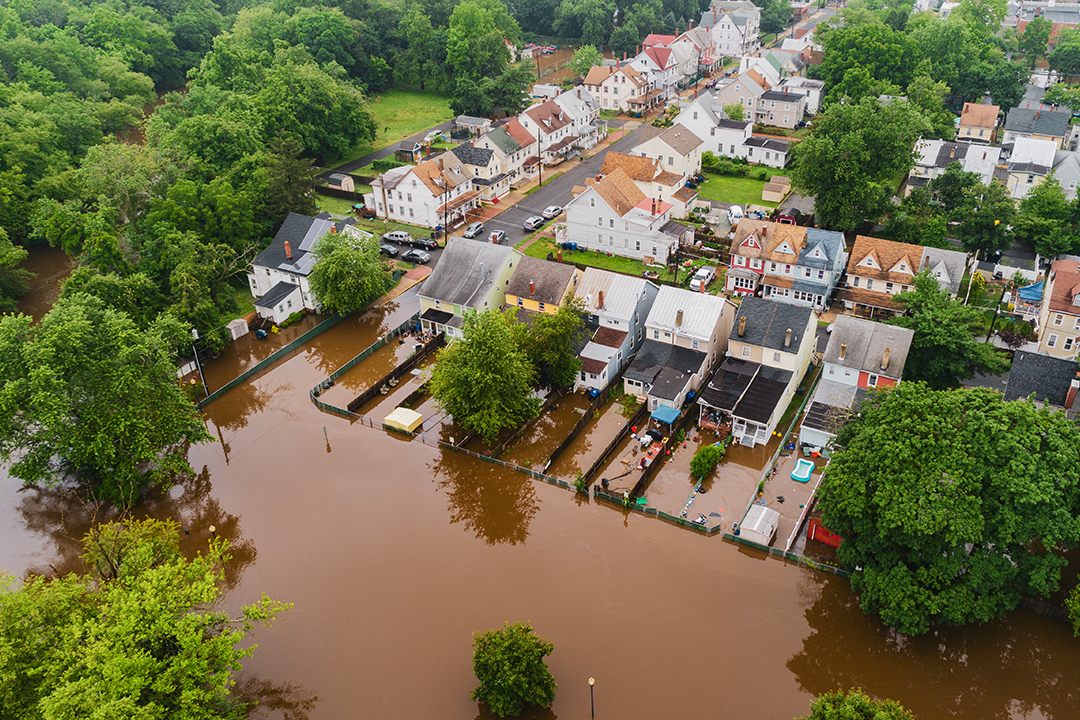
Whether floods arise due to severe weather from natural disasters or from backed-up plumbing or broken pipes, homeowners don’t always understand the risks associated with flooding or the need for flood insurance. In particular, many homeowners may think flood damage is covered by their traditional homeowner’s insurance policy.
Even those who secure flood insurance often don’t understand that their policies may not be enough, leaving them vulnerable to paying for a significant gap in the event of a major flood event. Helping your clients understand their exposures and the need for excess flood insurance is even more important now that we’re experiencing more super storms and major flood events.
What Is Excess Flood Insurance?
Excess flood insurance is an additional policy that covers expensive flood damages. Flooding is the most common weather-related natural disaster, affecting every U.S. state and territory. Flooding damage can occur from rainstorms, snowstorms, tornados, hurricanes, and tsunamis, and excess flood insurance is necessary to protect property owners.
A traditional homeowner’s insurance policy doesn’t include flood insurance. Lenders typically require homeowners who live in a special flood hazard area (SFHA) to purchase policies that cover damages caused by flooding. Many homeowners in these high-risk areas purchase flood insurance through the National Flood Insurance Program (NFIP), but this program limits coverage to just $250,000.
The only way to get extra flood insurance coverage is to buy excess flood insurance; which works in addition to NFIP insurance. This typically means NFIP steps in to cover all flood damages up to $250,000, and then the excess flood insurance provider covers all costs exceeding that amount.
Why Is Excess Flood Insurance So Important?
Homeowners without sufficient flood insurance could lose the total use of their homes and access to all their belongings. They may be personally responsible for the cost of remediation, mold removal, and rebuilding. Even homeowners who purchase flood insurance through NFIP could be subject to expensive costs if the repair or rebuild of their homes exceeds the $250,000 maximum limit.
And let’s face it, reaching and exceeding that limit is pretty easy these days. The cost of flood damage is expected to rise 26% over the next 30 years thanks to climate change, and flooding is the most frequent and costly type of natural disaster in the U.S.
Who Needs Excess Flood Insurance?
Excess flood insurance may benefit:
- Clients with a home valued over $250,000: If a client’s home is worth over $250,000, they may need to consider excess flood insurance given the NFIP $250,000 maximum.
- Homeowners in a high-risk flood zone: Some cities and states are considered high-risk for flooding. You can determine a property’s flood risk using the flood map from the Federal Emergency Management Agency (FEMA). However, flood zones are always changing, so this tool alone may not help homeowners accurately predict their risk.
- Policyholders with expensive personal property: Many basic insurance and flood policies exclude personal property. An excess flood insurance policy can help homeowners replace expensive furniture, electronics, or other belongings.
Some lenders may even require borrowers to purchase excess flood insurance. However, this requirement varies between lenders and some will issue a mortgage without sufficient flood insurance, putting the owner at risk.
Who Doesn’t Need Excess Flood Insurance?
Your client may not need excess flood insurance if they have NFIP and the rebuild cost or leftover mortgage on their home is less than $250,000. Homes not located in a flood zone may also not require excess flood insurance, but as previously mentioned, it can be difficult to predict what areas may be prone to floods.
Either way, it’s important to discuss the risks of flood damage with your clients. Inform them that they may be responsible for all flood damages, whether the flooding occurs from a natural disaster or a defective home plumbing system or appliance.
Most people don’t purchase excess flood insurance because they don’t know they need it. They may not be aware of the expensive costs of remediating a home after flooding. They may also not be aware that their homeowner’s policy doesn’t cover flooding. Even homeowners who live in high-risk flood zones and purchase NFIP insurance may believe they’re adequately covered.
What Does Excess Flood Insurance Cover?
Excess flood insurance covers the same damages as a traditional flood insurance policy at an increased amount. Coverage varies depending on the policy but may include:
- Structure of the home.
- Personal property, including furniture, electronics, and clothing.
- Loss of income.
- Loss of use, including temporary housing costs.
- Flood prevention, like sandbags or shutters.
Flood damage is more common and more expensive than ever before, which means more and more of your clients will need excess flood insurance. Make sure you put together a comprehensive policy that won’t leave them with gaps. Contact one of our highly trained brokers to get the right coverage or to get a quote.
The Jencap Personal Lines Insurance Team
Jencap’s industry-leading personal lines underwriters specialize in high-valued homeowners, primary and excess flood, hard-to-place homeowners, and everything in between. The Jencap
personal lines team is the one-stop shop for all your monoline and packed policy needs, with access to 30+ admitted and non-admitted carrier partners.