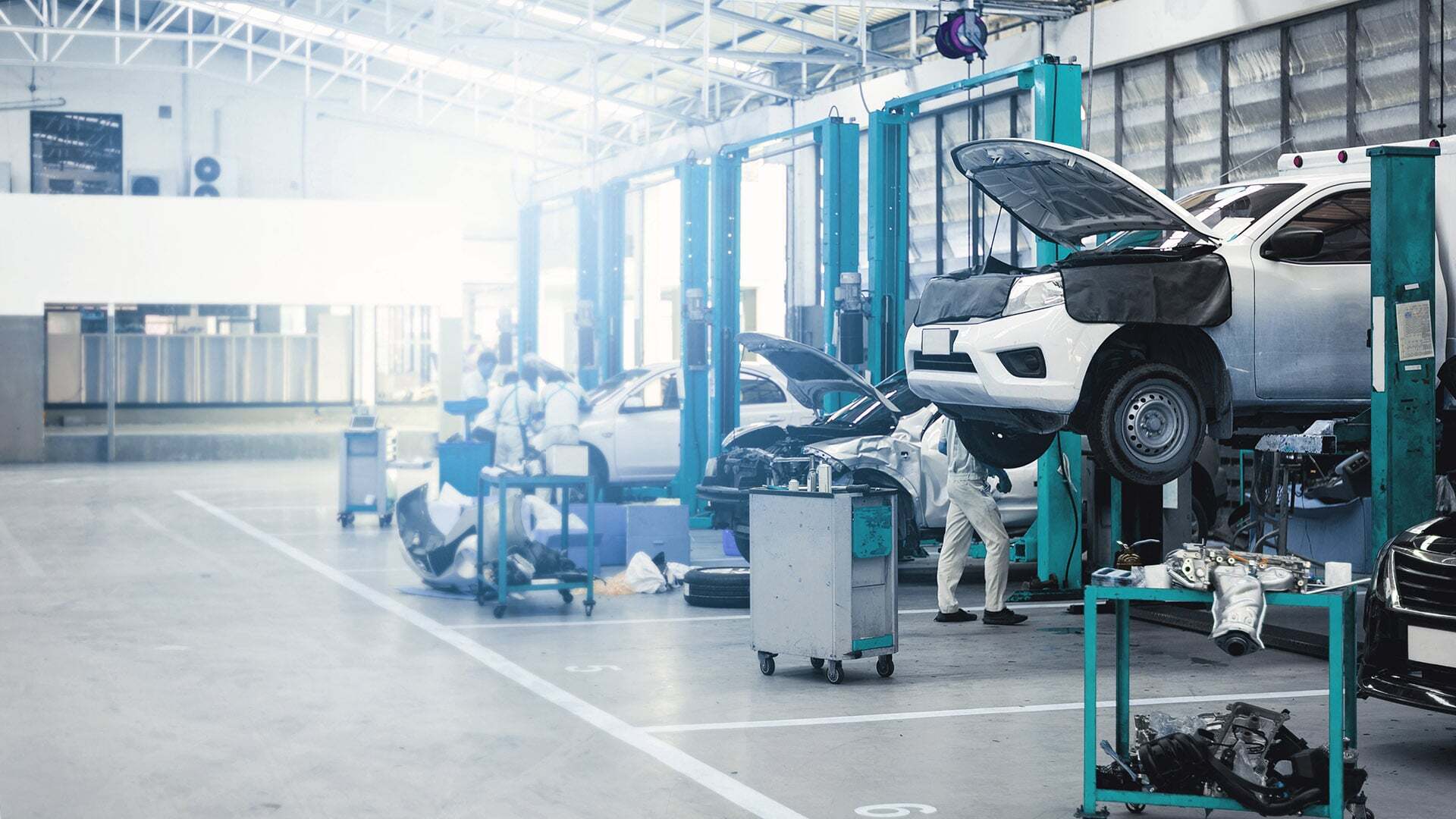
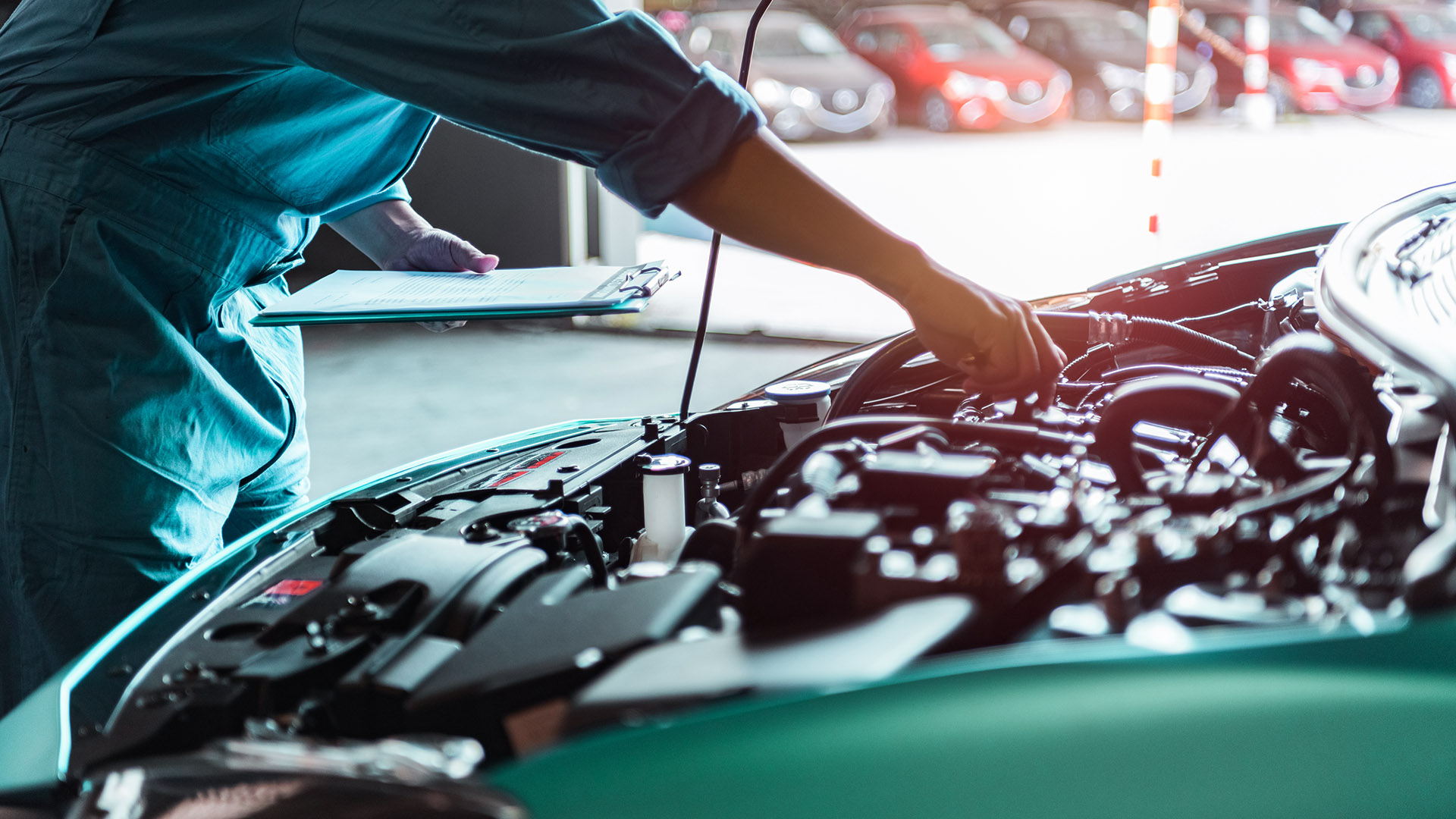
The responsibilities of auto repair shops go far beyond fixing mechanical problems and performing routine maintenance. In addition to managing the day-to-day business, owners and technicians are also tasked with guarding against accidents, thefts, and unforeseen damages that could occur at any time — all of which could potentially lead to financial losses and legal liabilities. To safeguard the business and provide peace of mind to customers, it’s essential to consider garagekeepers insurance. In this blog post, we’ll delve into what garagekeepers coverage is and how it benefits auto repair shop businesses.
What Is Garagekeepers Coverage?
Garagekeepers Coverage is an optional, specialized insurance that shields auto repair shops from financial losses in the event that a customer’s vehicle is damaged while in the shop. This coverage is intended to cover physical damage losses to customers’ vehicles for situations such as fire, theft, collision, vandalism, and extreme weather. There are optional types of Garagekeepers Coverage, such as “legal liability” or “direct primary” coverage. Garagekeepers Legal Liability (GKLL) covers only losses that the insured is legally liable for. Garagekeepers Direct Primary coverage would add additional coverage for losses the insured is not legally liable for, such as weather related losses. Garagekeepers coverage gives auto repair business owners some financial recourse to pay for damage and helps them avoid expensive lawsuits and damaged customer relationships.
Keep in mind that “Garagekeepers” coverage is different from “Garage Liability”. Garage Liability is the combination of general liability and auto liability for auto repair shops and auto dealers. Garage Liability is the liability coverage for the “garage operations” in regards to third party property damage or bodily injury losses. Garage Liability would respond to a liability loss on the premises, such as a customer slipping and falling. Garage Liability would also respond in the event the insured injured another party in an accident while test driving the vehicle. Garage Liability responds to third party property damage or bodily injury, but only Garagekeepers Coverage would respond to the physical damage done to the customer’s vehicle. Combining Garagekeepers Coverage with Garage Liability insurance offers auto shop owners more complete and comprehensive coverage.
As with all insurance policies, it’s important to review policy terms and understand exactly what’s covered and what isn’t. Most garage insurance policies, for example, don’t extend coverage to liabilities such as faulty work, defective car parts, warranties, or non-factory installed sound equipment. The common garage liability coverage form excludes pollution related losses, so a separate pollution policy would be needed in the event the insured has a tank of oil or gas that leaks into the soil. Working with someone knowledgeable about auto repair and garage operations ensures policies are tailored to reflect a business’s unique needs and adequately cover their risks.
How Garagekeepers Coverage Benefits Auto Repair Shops
Garagekeepers Coverage is critical for helping auto repair shops protect their businesses, their reputations, and their customers’ vehicles. But what does this protection look like in the real world? Here are three key ways auto repair shops benefit from this coverage on a daily basis.
1. Preserving Customer Trust and Confidence
No matter if an auto shop’s customer drives a Maserati or a Toyota, when they bring their car in for maintenance or repair, they’re entrusting it to the shop’s care. They expect their vehicle to be returned in better condition than when they left it. However, accidents can happen, even in the most skilled hands. Garagekeepers Coverage acts as a safety net by covering the cost of repairs or replacements for a customer’s vehicle if it is damaged while in the shop — which in turn ensures an auto shop maintains their reputation.
Real-world example: Imagine a customer brings in their high-end car for repairs. During the repair process, a technician inadvertently scratches the paint or drops a tool that dents the hood. The garagekeepers coverage would respond to this claim, with minimal inconvenience to the customer and the insured. If the insured does not have Garagekeepers Coverage, they would most likely pay out of pocket for the damages in order to keep the customer happy. The Garagekeepers Coverage would help the insured rely on the insurance company to ensure the repairs are done quickly and the cost of repairs would not be a burden for the insured. Both the insured and the customer would be made whole again.
2. Maintaining Operational Continuity
In the unfortunate event of an incident that damages multiple vehicles, Garagekeepers Direct Primary coverage ensures that an auto repair shop remains resilient in the face of unexpected events and can continue its operations without severe financial setbacks.
Real-world example: During a severe hailstorm, several vehicles awaiting repair are damaged by large hailstones. The repair costs for these vehicles are substantial. However, the auto shop owner’s direct primary insurance covers the expenses, and the owner avoids dipping into his working capital for the costs. This allows the shop to continue serving its existing customers and taking on new repair jobs without major interruptions.
NOTE to ponder: Some insureds do not wish to cover damage to customers’ autos for an event that is outside of their control since a large loss could impact their ability to renew coverage with that insurance company. Or, they may have a hard time paying for the increase in insurance rates for losses they were not liable for. If the insured does not want these types of losses to impact their ability to obtain future coverage, Garagekeepers Legal Liability would be an option for this type of insured.
3. Tailored Coverage Options
Garage insurance policies can be customized to suit the unique needs of any auto repair operation. Whether someone owns a small garage or a large repair facility with multiple locations, they can work with their insurance provider to determine the right coverage limits, deductibles, and additional endorsements that best protect the business. A knowledgeable insurance professional who specializes in auto repair risks can thoroughly review a shop’s end-to-end operations and provide guidance for what type of coverage is appropriate.
Real-world example: A local auto repair shop has recently expanded their locations and services offered. They’re also handling a larger volume of luxury vehicles than they have in years past. The shop owner works with their insurance agent to adjust their Garage Insurance policy to increase the amount of coverage and add endorsements specifically designed for their growing business and high-value customer base.
Jencap, Your Garage Insurance Gurus
Although not legally required, garagekeepers coverage is a necessity for auto repair businesses, offering critical protection, financial stability, and peace of mind. By investing in garagekeepers coverage, auto shops protect their reputation and financial stability, allowing them to focus on what they do best — providing top-of-the-line automotive repair services.
Jencap has all your garage and transportation insurance needs covered. We consider our specialty auto brokers the “Gurus of Garage,” equipped with the tools to tackle any business risk your auto shop business clients may face. Contact Jencap today to speak to one of our experts and get a quote.
The Jencap Transportation/Garage Insurance Team
If your risk has wheels, Jencap’s transportation and garage team has a broad range of
insurance solutions for you. Our industry-leading underwriters are always imagining what’s ahead of the curve in the transportation industry and ready to combat any current or future challenges that may exist in the marketplace.