Navigating the challenges of commercial auto liability insurance demands expertise, creativity, and trusted partnerships. Roman Atkielski, SVP of Transportation Practice at Jencap, has spent decades helping clients weather industry turbulence and sees a clear path forward. “This market is facing real pressures, but trucking companies that prioritize safety, leverage technology, and partner with specialists are going to come out ahead,” Atkielski says. Let’s dive deeper into how this journey might unfold.
The Challenges: A Reality Check on Today’s Market
The current state of the commercial auto market is undeniably tough. Economic inflation has driven up the cost of vehicle repairs, parts, and claims settlements, while social inflation — in the form of massive, headline-grabbing verdicts — has made matters worse. Nuclear verdicts, where jury awards reach staggering sums, have become a growing problem. Atkielski points to one notable case: “Florida had a verdict where the jury returned with a billion-dollar award. At the end of the day, they were sending a message. No motor carrier carries a billion-dollar coverage limit, so this escalation only drives up premiums for everyone.”
On top of that, trucking companies face stagnant shipping rates, supply chain delays, and a persistent driver shortage. With 82,000 fewer drivers in the market, many companies are forced to hire less experienced operators — a trend that leads to more accidents and, ultimately, more claims. But as Atkielski points out, these challenges present an opportunity for innovation. “The industry gets that there’s an issue, and it needs to be addressed,” he says.
Technology: Steering the Industry Toward Success
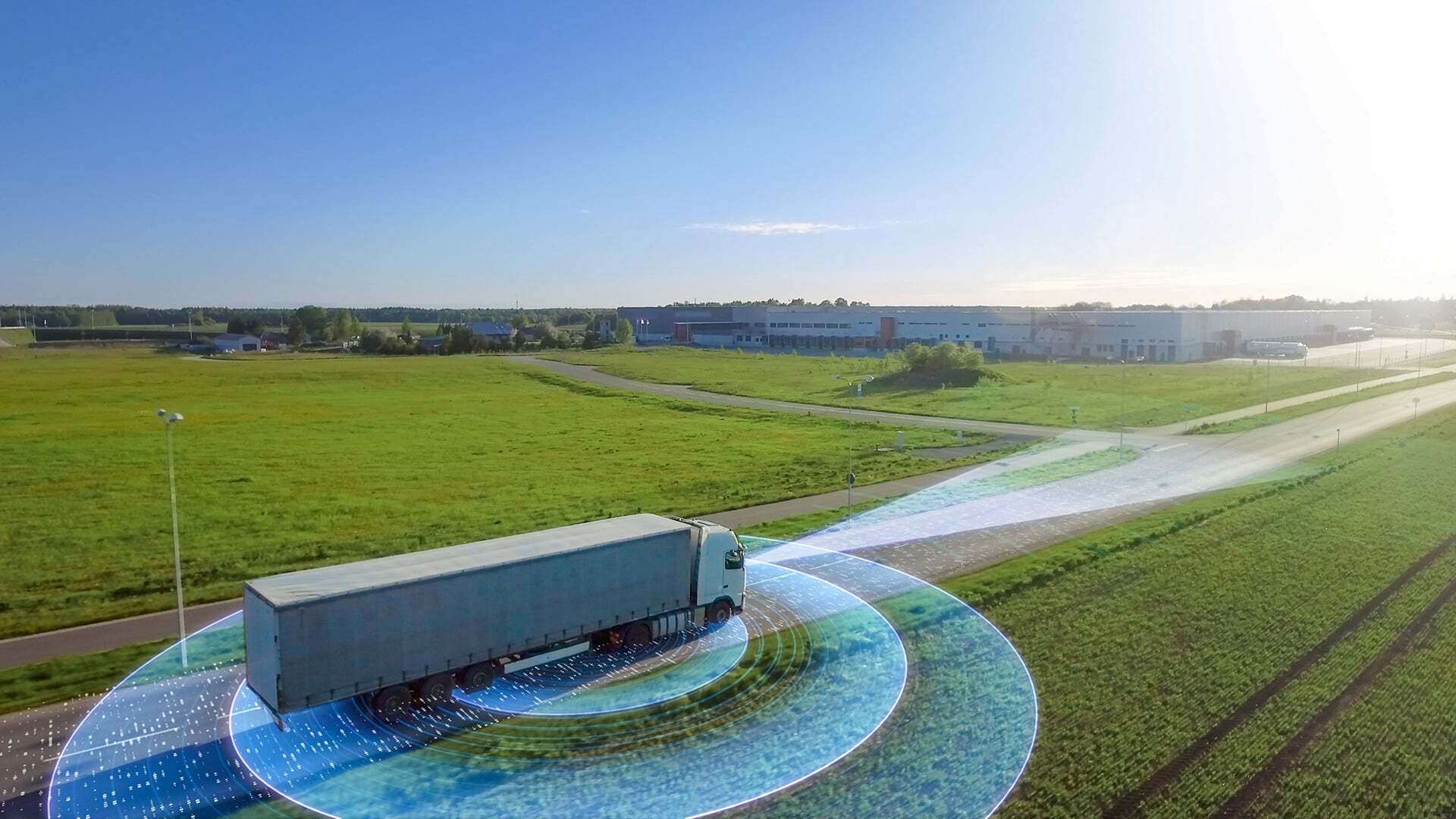
That opportunity for innovation is coming to life through new technological offerings that help trucking companies mitigate risk, reduce costs, and improve outcomes. Tools like telematics and dash cameras have become essential for understanding and improving driver performance while defending against costly claims.
Telematics
Telematics systems gather and analyze real-time data on critical metrics such as speed, braking intensity, acceleration, and idle time. The data provides motor carriers with a clear snapshot of driver behavior to address unsafe practices, reduce fuel consumption, and prevent accidents. According to a recent study, fleets that adopt telematics report up to a 40% reduction in collision rates. These improvements enhance safety and give insurers more accurate insights to inform underwriting, potentially reducing premiums for companies with strong safety records.
Dash Cameras
Forward-facing and driver-facing cameras are also revolutionizing claims management by providing concrete, time-stamped video evidence that can exonerate drivers and shield fleets from liability. Roman Atkielski calls cameras a “game-changer” for the industry. “We’ve seen cameras put countless claims to rest. They’re invaluable for mitigating false accusations and protecting fleets.” A recent incident underscores their impact: a trucking company successfully avoided a claim after forward-facing footage proved that another vehicle had swerved dangerously into their driver’s lane. By quickly determining fault, the insurer could close the case efficiently and prevent an unjust financial loss.
Usage-Based Insurance
The rise of usage-based insurance (UBI) further aligns premiums with real-world driving data, rewarding companies that are prioritizing safety and efficient operations. UBI policies calculate rates based on mileage, driving locations, and road conditions, creating a more customized and fair pricing model. Atkielski sees this kind of fleet insurance as the future of commercial auto insurance, stating, “This is where the industry is headed — smart, data-driven solutions that reward safer operations and help motor carriers control costs.”
For trucking companies navigating today’s turbulent market, these technologies are no longer optional — they’re essential. Telematics, cameras, and usage-based insurance offer motor carriers the tools they need to improve safety, defend against nuclear verdicts, and control rising insurance costs. Investing in these solutions isn’t just about compliance; it’s about building a safer, more competitive, and resilient operation for the future.
Safety and Loss Control: Staying Ahead of Risk
With rising claim costs and nuclear verdicts becoming commonplace, safety and loss control have never been more critical. According to the American Transportation Research Institute (ATRI), nuclear verdicts — jury awards of $10 million or more — have increased by over 300% in recent years. This surge is driving unsustainable pressures on motor carriers and contributing to rising insurance premiums.
In response, motor carriers are implementing robust driver training programs to address safety concerns head-on. Programs focus on identifying risky behaviors such as speeding, distracted driving, and harsh braking — issues often exacerbated by newer, less experienced drivers entering the workforce. Another critical factor in loss control is timely claims reporting. Roman Atkielski underscores its importance by saying, “The sooner you report a claim, the better the outcome. Waiting only escalates the situation and brings attorneys into the mix.”
Safety today is no longer just about meeting compliance standards — it’s a strategic investment with measurable benefits. Companies that embrace a safety-first mindset are seeing tangible results: fewer accidents, reduced claims costs, and improved operational efficiency. In a competitive market where legal and operational pressures are mounting, investing in safety initiatives is not just smart — it’s essential for long-term success.
The Power of Partnerships: Why Experts Matter
In today’s complex commercial auto market, specialization matters. Trucking companies can no longer afford to have someone placing their insurance that doesn’t fully understand the landscape. They need partners who understand the unique challenges of the transportation industry — and ask the right questions so that they get the right policies in place. Atkielski puts it simply, “They need experts who live and breathe this industry — and that’s what we do at Jencap.”
At Jencap, our transportation specialization and trusted carrier relationships make all the difference. With decades of experience, Jencap offers:
- Market Access: Long-standing relationships with stable, financially strong carriers.
- Trust and Loyalty: Strong partnerships with retail agents and carriers to deliver the right coverage for the risk.
- Creative Solutions: With capacity issues, it’s often a pro-sport to put together the insurance package a transportation company needs, but Jencap’s brokers are out of the box thinkers with a toolkit full of solutions options.
“We work with carriers who are in this for the long haul, not just chasing growth,” Atkielski explains. “And our relationships with both retail agents and carriers mean we can place risks properly and creatively — no matter how complex.”
Ready to connect with Jencap’s dedicated transportation team? Contact us today for a consultation or quote.