The Market Got Tougher. Did Your Strategy?
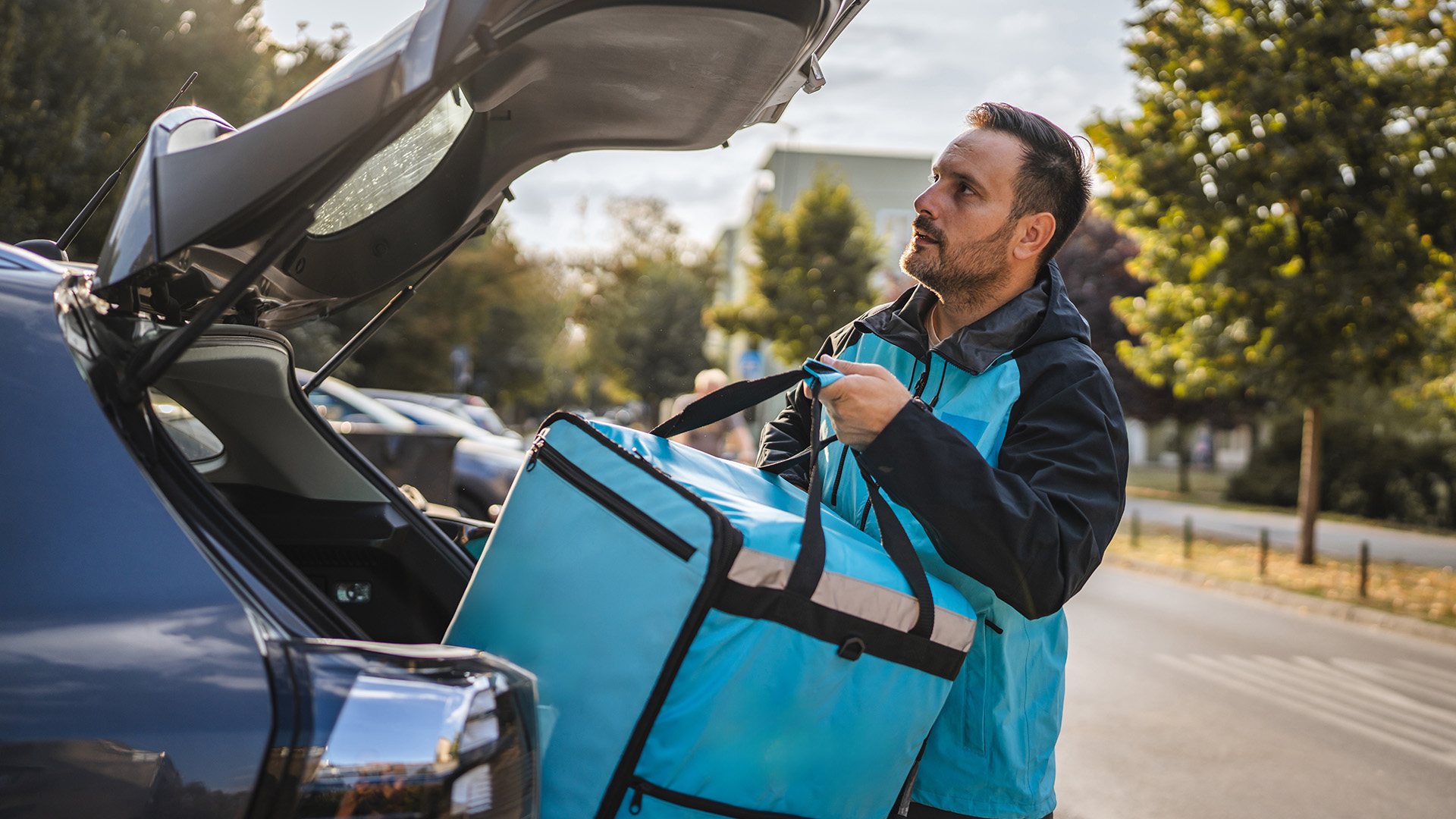
There’s a scenario playing out in agencies across the country, and you’ve likely lived it recently. You submit a Hired and Non-Owned Auto (HNOA) quote request to your carrier that would have been a slam dunk two years ago. Same class, same basic story, nothing abnormal. Then the response hits your inbox. It’s either a mountain of supplemental underwriting questions, a significantly smaller line than you asked for, or a quote that leaves your client feeling blindsided. Sometimes, it’s just a polite pass.
It feels personal, but it isn’t. The market didn’t suddenly decide to be difficult, but instead got a lot more disciplined. John Ware, Senior Vice President at MiniCo—a specialty program partner Jencap works closely with on complex auto risks—puts it simply, “What we’re really seeing is a supply-and-demand imbalance. Capacity has pulled back because underwriters have struggled to profitably write specialty last-mile delivery risks.”
In short, the delivery models that keep modern businesses running (think employee cars, contractor fleets, and third-party apps) are exactly what the market is re-evaluating. Severity is turning minor HNOA insurance assumptions into seven-figure headaches. Here’s what’s actually moving the needle for 2026.
1. Capacity is Getting Picky
Underwriters are holding quote approvals close to the vest until they can find a reason to believe your client’s risk is predictable. They want to see the operational story behind the numbers. If you can’t explain exactly how a client controls their drivers, that account gets moved into the volatile pile.
2. One Bad Day vs. A Thousand Small Ones
At Jencap, we used to talk about frequency, but not anymore. A single bodily injury loss in a nuclear jurisdiction can wipe out years of premiums. Our MiniCo partner agrees. “Severity has never been more elevated,” Ware notes. “That’s why underwriters are focused on risk selection and the specific limits allocated to that risk.”
So, stop asking, “How often does this happen?” Start asking, “How bad is the worst-case scenario?”
3. The Map Matters More Than the Business
Where a claim happens is now just as important as what happened. If your client operates in a distressed legal venue, areas known for unpredictable, massive verdicts, expect to see higher prices and lower limits. Underwriters are essentially geofencing their appetite to protect their portfolios from venue-driven volatility.
4. Contingent Liability Can’t Be an Afterthought
If a third-party contractor causes a wreck, the lawyers will fixate on the driver, but they’re also likely to go upstream to the business that hired them. If you’re treating contingent auto liability like a footnote in your conversations, you’re leaving a massive door open for a future disaster for your client.
5. It’s About Discipline, Not Just Paperwork
Ware’s advice to agents reflects what many underwriters are prioritizing right now, “Prevention first. Risk transfer second.” Underwriters want to see telematics that actually influence driver behavior, maintenance standards that are followed (not just filed), and training that happens more than once a year. In this market, HNOA coverage is earned through discipline.
6. The “Golden Hour” After an Accident
This is the insurance trend nobody talks about. The first 60 minutes after an accident often dictate the eventual cost of the claim. How the driver responds and how the incident is documented can change the entire valuation of a bodily injury claim. If your client doesn’t have a post-accident plan, they don’t have a financial control plan.
The Submission Stress Test
Before you send out that next HNOA insurance placement, your client has some explaining to do:
- Who is actually behind the wheel? Is it a mix of employees and contractors? How is that tracked?
- What is the safety culture? Is telematics data being used to coach drivers, or is the hardware just sitting in the truck?
- What happens at the scene? Do drivers know exactly who to call and what to document immediately?
- Are the contracts tight? Are third-party drivers clearly defined, and are they actually monitoring their certificates of insurance?
Why Work With Jencap?
Navigating hired and non-owned auto coverage insurance and contingent auto liability requires a true strategy. Jencap helps agents interpret underwriting trends, identify exposure blind spots, and structure submissions that align with today’s severity-driven realities. Through long-standing partnerships with specialty program administrators like MiniCo, Jencap brings deep technical insight and placement support to complex auto risks, especially in challenging legal venues. Ready to talk about a specific account? Let’s get to work.
Quick FAQ
What exactly is HNOA?
HNOA is hired and non-owned auto coverage. It covers liability for vehicles your client’s business uses but doesn’t own, like an employee running a company errand in their personal car or a hired delivery van.
Why is it so hard to place HNOA right now?
A combination of nuclear court verdicts, higher medical costs (severity), and fewer carriers willing to take on the risk.
What is Contingent Auto Liability?
It’s the safety net for when a third-party contractor’s insurance fails or is insufficient, and the liability leaks back to your client.
How can I get better commercial auto rates for my client?
Show, don’t just tell. Provide data on driver training, telematics usage, and a clear plan for what happens immediately following an accident.
Learn even more about MiniCo’s HNOA insurance program here.

The Jencap Transportation/Garage Insurance Team
If your risk has wheels, Jencap’s transportation and garage team has a broad range of
insurance solutions for you. Our industry-leading underwriters are always imagining what’s ahead of the curve in the transportation industry and ready to combat any current or future challenges that may exist in the marketplace.