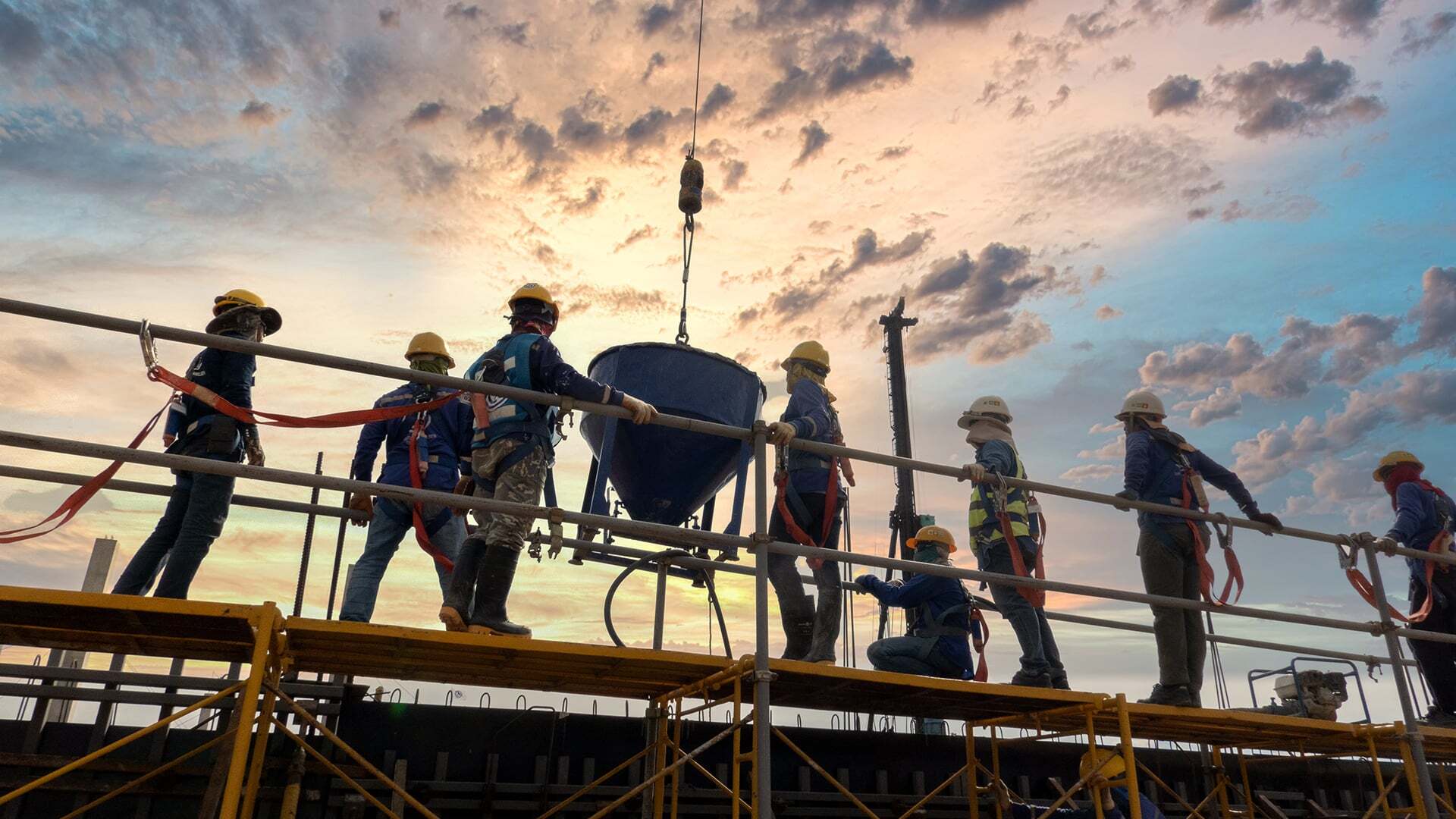
Almost all private employees in the United States can collect Workers’ Compensation insurance benefits if they are injured on the job. Railroad employees are the exception to the rule, as any job-related injuries are covered through The Federal Employers Liability Act (FELA).
FELA was created in 1908 when railroad use was expanding rapidly in the United States. The industry was so dangerous that President Harrison said railroad workers faced comparable dangers to a soldier at war. This federal law was designed to compensate railroad workers injured on the job. After a 1939 amendment, FELA protects most railroad employees. This includes everyone from conductors to clerical workers and everything in between.
Congress thought that passing FELA would increase workplace safety since railroads would have to pay out large awards to injured employees. The expectation was that railroads would take the necessary measures to improve safety and avoid the possibility of having claims. Over the years, the railroad industry has become safer, however, it still remains a dangerous workplace. In 2020, railroad incidents resulted in 3,032 injuries to employees and 11 employee deaths.
There are some similarities between FELA and Workers’ Compensation, but there is one big difference. Workers’ Compensation is considered “no-fault”—for a claim to be made, the only requirement is that the employee was injured on the job. However, to receive FELA benefits, the injured employee must be able to prove that their employer was negligent or in violation of federal safety statutes and that their injury was caused in part or whole by that negligence. In other words, the employee does not need to prove that the negligence of the railroad was the primary cause of the injury—only that it played at least a small part in causing the injury.
There are a number of ways that a railroad may be negligent and lead to employee injuries. Some common occurrences include:
- Improper employee training
- A lack of adequate manpower
- Inadequate tools and equipment
- Failure to create and maintain a safe and compliant workplace
FELA also uses a set of rules to determine “comparative negligence.” The jury decides the percentage of negligence for both parties, and the award to the injured worker is allocated based on this percentage. For example, if the jury found the employer to be 75% at fault, and the employee 25% at fault, the award would be reduced by the 25% that was employee-related.
FELA claims can be harder to prove than Workers’ Compensation claims – but awards can be significantly larger. With a Workers’ Compensation claim, the award is generally limited to medical expenses, lost wages, and compensation for a disability. If an employee can prove a FELA claim, they may be awarded any of the following:
- Lost wages (past and future)
- Medical costs (past and future)
- Physical pain, suffering, and/or permanent or partial disability
- Emotional suffering
- Loss of earning capability
FELA covers four types of injuries:
- Traumatic injuries: broken bones, sprains, burns, etc.
- Occupational illness: such as lung cancer, or hearing loss that is caused by exposure on the job to toxic chemicals, sustained loud noise, etc.
- Repetitive stress injuries: tendonitis, carpal tunnel syndrome, etc.
- Existing injuries or illnesses that become worse because of the work
Proving negligence is the key to supporting a FELA claim. It’s also critical for insurance agents to work with an insurance broker who understands the various railroad risks and how to properly cover their clients.
Jencap has the underwriting expertise, market access, and industry intelligence to accommodate your clients’ unique railroad insurance needs. Contact our brokers today to exceed your clients’ expectations.
The Jencap Workers' Compensation Insurance Team
Workers’ compensation is not a generalist’s game. Jencap’s dedicated division of industry-leading workers’ compensation experts understands every facet of this complex coverage line — from multi-state operations and high-hazard risks to United States Longshore and Harbor Workers Compensation Act (USL&H), and everything in between. No matter your clients’ industry, state, experience modification factor, premium size, or class code, the Jencap workers' compensation team has you covered.
Explore Further
Understanding NCCI’s Changes to the Workers’ Comp E-Mod Factor Methodology

Feb 8, 2024
Workers’ Compensation Market Continues to Drop Rates

Feb 1, 2024
Jencap Group Acquires Tarheel Insurance Services, Inc.

Oct 3, 2022
Top 20 Most Dangerous Jobs in the United States

Jul 25, 2022
Don’t Get Railroaded on Your FELA Claim

Mar 8, 2022
Is Workplace Violence Covered Under Workers’ Compensation?

Nov 4, 2021
Workers’ Compensation, Occupational Accident Insurance, and Contingent Liability—What’s the Difference?

Oct 15, 2021
How Delaying to Report an Injury Hurts Employee and Employer
Sep 23, 2021
Trends & White Papers
Agent’s Guide to Professional Liability Gaps (and How to Close Them)
Professional risks are evolving faster than most coverage forms can keep up. The difference between protection and exposure often comes down to the fine print. Do you know how to read between the lines? Jencap’s professional lines specialists do, helping you see what others might miss.
The New Era of Workers' Compensation: Powered by Data, Driven by Outcomes
Cracking the CAT Modeling Code
Is Going Green Good?
Chronicles of Casualty
Navigating the New Frontiers of Professional Lines Insurance
Preparing for The Future of Cannabis Insurance
How Climate Change is Shifting the Insurance Industry
Garage Gurus: Garage Coverage Explained
Riding The Waves of Change Insurance Industry Outlook
Podcasts

Flip the Cap Episode 22: Jencap 10 Year Anniversary Edition: John Jennings on Growth, Culture, and What’s Next

Apr 7, 2026
Flip the Cap Episode 21: Global E&S Trends, Emerging Risks and 2026 Predictions

Nov 12, 2025
Flip the Cap Episode 20: The Energy Pivot: What’s Here to Stay and What’s On the Way

Aug 27, 2025
Flip the Cap Episode 19: Cannabis Insurance Insights: Regulatory Shifts, Coverage Gaps & Expert Strategies

Jul 31, 2025
Flip the Cap Episode 18: The Big Build: Inside Construction Wrap-Up Programs

Apr 24, 2025
Flip the Cap Episode 17: Flames of Uncertainty: How Wildfires Are Shaping Insurance
Mar 20, 2025
Recent Posts
The Technology Signals Reshaping Transportation Risk in 2026

Apr 25, 2026
Cannabis Insurance in Newly Legalized States

Apr 14, 2026
Renewable Energy Risk Trends for Insurance Agents
Apr 9, 2026
Flip the Cap Episode 22: Jencap 10 Year Anniversary Edition: John Jennings on Growth, Culture, and What’s Next

Apr 7, 2026
Common Gaps in Watercraft & Yacht Insurance Coverage
Mar 26, 2026
PFAS Disposal Rules Shift Again
Mar 19, 2026