They were designed to make life easier. Think slippery frying pans, water-resistant jackets, and fire-suppressing foam. Now they’re one of the biggest liability landmines in the insurance industry.
We’re talking about PFAS: per- and polyfluoroalkyl substances. The so-called “forever chemicals” that don’t break down, don’t go away, and don’t stay put. In Part 1 of this series, we covered where PFAS show up and why regulators are taking notice. Here in Part 2, we’re exploring what that means for PFAS insurance: where coverage fails, how liability spreads, and what agents need to watch.
PFAS Is No Longer a Surprise. It’s a Known Exposure.
For years, PFAS flew under the radar. Not anymore. Today, it’s the focal point of billion-dollar lawsuits, emergency EPA rulemaking, and intense state-level PFAS regulations. It’s triggering scrutiny during Phase I Environmental Site Assessments (ESAs), contaminating groundwater near fire training facilities, and showing up in the packaging of everyday consumer goods.
And insurers? They’ve taken notice. They’re bracing for “the next asbestos,” and this could be it.
Increased awareness has brought increased exclusions. Many general liability, property, and umbrella policies now contain broad pollution exclusions that specifically bar PFAS-related claims. In other words, if your client’s facing cleanup costs, third-party injury allegations, or regulatory enforcement tied to PFAS, there’s a good chance their standard policy won’t respond.
So, What’s an Agent To Do?
When PFAS is present, it’s a chemical issue and a coverage architecture issue. Standard coverage forms simply weren’t designed for the scale, spread, or persistence of PFAS risks. That’s where specialized environmental insurance comes in:
- Contractors Pollution Liability (CPL) – essential for anyone disturbing soil, groundwater, or older infrastructure that may harbor contamination.
- Site Pollution Legal Liability (PLL) – coverage for historical contamination and ongoing site risk, including third-party bodily injury and property damage.
- Products Pollution Liability – protection for manufacturers and distributors whose products may contain or be linked to PFAS.
- Transportation Pollution Liability (TPL) – covers accidents and discharges during transit, which can be a major blind spot for clients moving goods or waste.
It’s not enough to offer “pollution coverage” in name. Agents need to understand what is actually included and what is silently excluded. At Jencap, we work closely with agents to review, interpret, and negotiate the policy language that matters, as a minor exclusion can mean the difference between full defense and total denial.
PFAS Litigation in the Real World
In the past 18 months, PFAS has gone from environmental acronym to headline-maker:
- Tyco Fire Products agreed to pay $750 million to settle claims tied to AFFF (aqueous film-forming foam), a primary PFAS source used at fire training sites, airports, and refineries.
- BASF Corp. is settling for $316 million over PFAS-contaminated water systems. The twist? The affected communities were often miles from the company’s operations, showing how far PFAS can travel.
- Carrier Global Corp. disclosed a massive $2.4 billion insurance tab tied to legacy liabilities, including PFAS. Yes, billion—with a “b.”
Insurers are paying attention, but clients? They’re often caught flat-footed, especially if they assumed PFAS wasn’t their problem. Many of these lawsuits name current property owners who had no involvement in the original contamination. Others hit manufacturers for trace elements in adhesives, coatings, or packaging. That’s the nature of PFAS liability. It’s retroactive. It’s mobile. And it’s indiscriminate.
Jencap’s Role: Translating Complexity into Coverage
It’d be much easier if PFAS insurance were conducive to boilerplate solutions, but it’s not that simple. It’s complex, jurisdiction-specific, and constantly evolving. That’s why Jencap approaches environmental insurance differently.
We act as your technical translator, strategic partner, and market matchmaker. We interpret ESAs and environmental data, helping you understand when PFAS findings are a minor concern versus a coverage-altering risk. We know where markets stand. Some carriers are backing away. Others are innovating coverage forms. We know who’s writing what, and under what terms. We craft bespoke programs that integrate pollution liability into broader commercial coverage. Because PFAS rarely operates in a silo, and your client’s coverage shouldn’t either.
In short: We structure protection that stands up when it counts. Contact Jencap today to learn more.
The Jencap Environmental Insurance Team
Jencap’s team of environmental underwriters have dedicated their entire careers to the environmental sector — they are environmental professionals that happen to sell insurance. Our brokers have backgrounds as environmental consultants and geologists, which gives you and your clients a significant advantage. When it comes to environmental coverage, you don’t want a generalist broker. With the Jencap team, you can trust our brokers have worked every angle of the environmental industry and can customize our exclusive program capabilities for any environmental coverage need.
Explore Further
Flip the Cap Episode 20: The Energy Pivot: What’s Here to Stay and What’s On the Way
Aug 27, 2025
PFAS Risks: How to Protect Your Clients from Long-Tail Liability
Aug 7, 2025
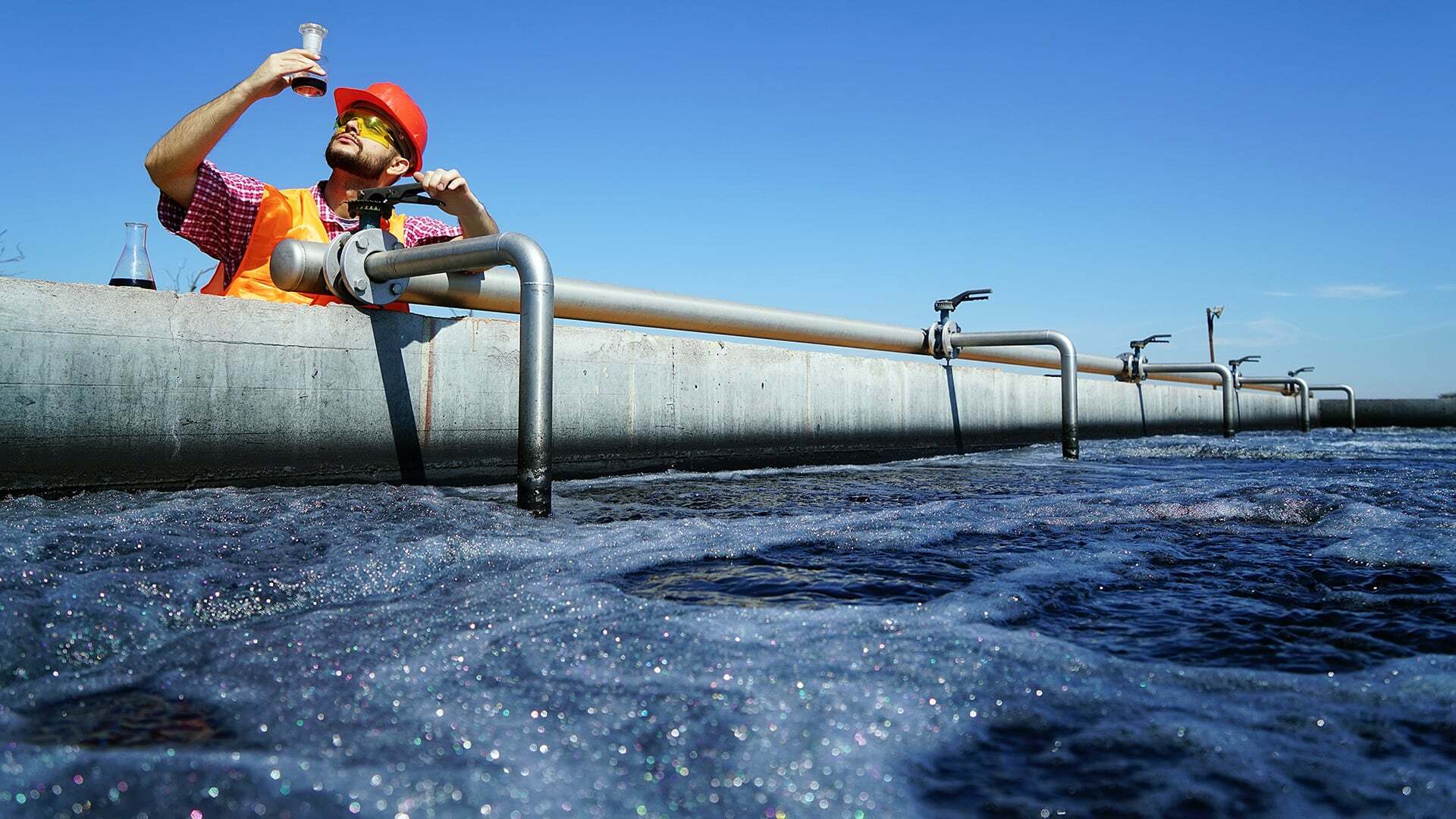
Understanding PFAS Risks: What Agents Need to Know About “Forever Chemicals”
Jul 17, 2025
Why Environmental Claims Are Spiking — And What Agents Need to Know

Mar 20, 2025
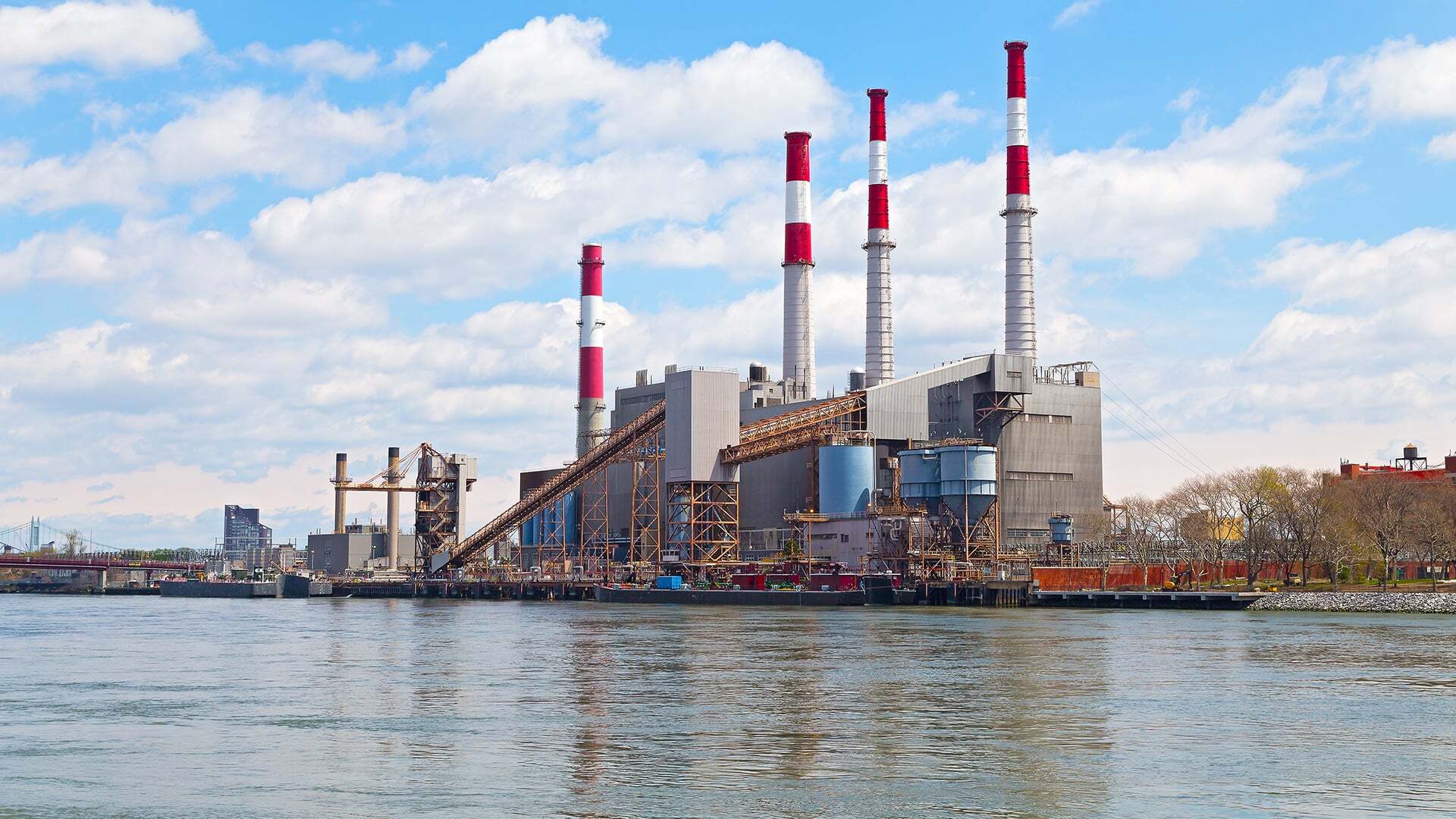
Forever Filing: The Rise of PFAS Litigation
Feb 13, 2025
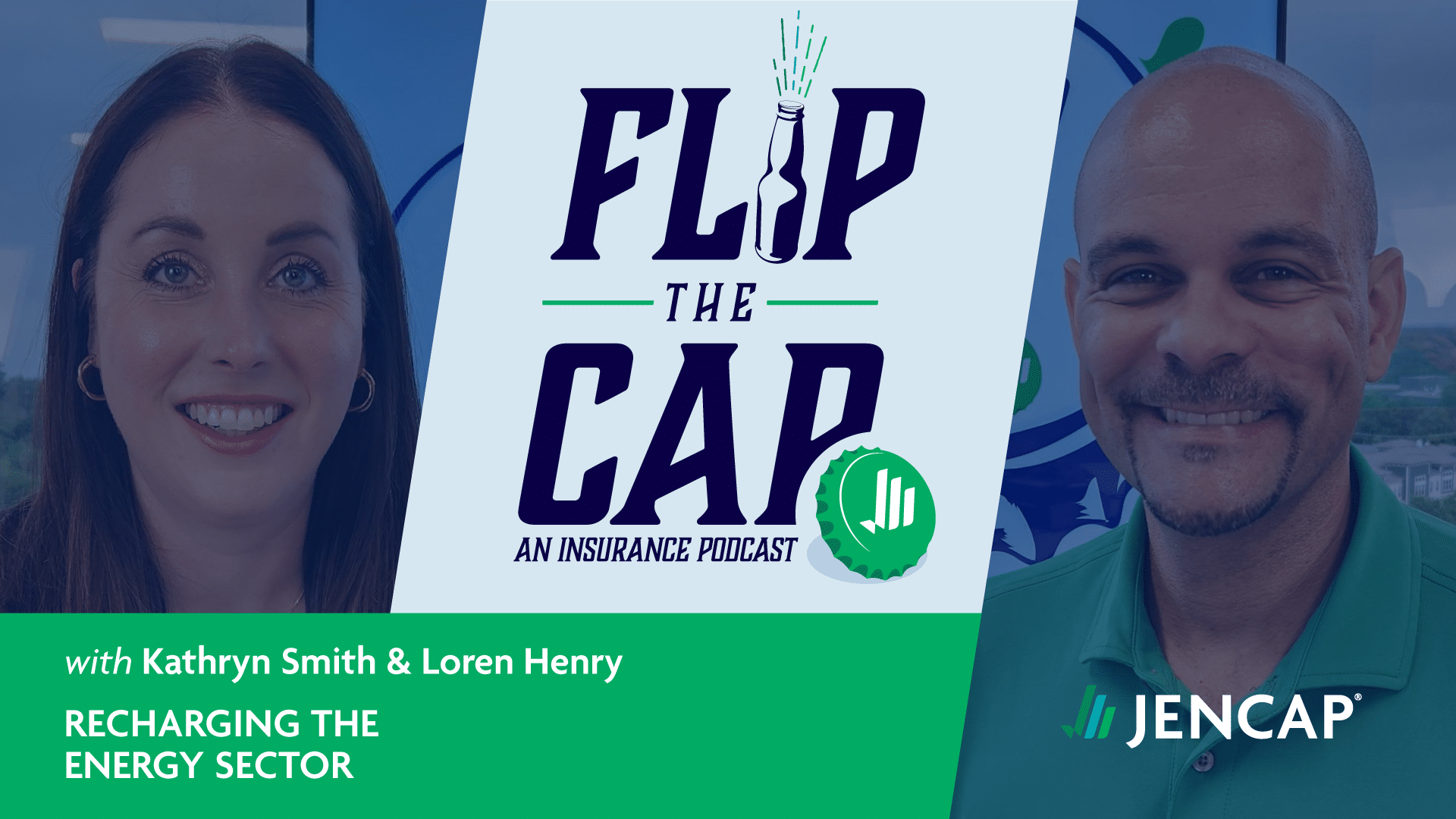
Navigating the Complex World of PFAS Liability
Sep 5, 2024
Flip the Cap Episode 13: Loren Henry, Recharging the Energy Sector

Jun 20, 2024
Hidden Hazards in Urban Planning: Importance of Environmental Insurance

May 2, 2024
Shedding Light on NEM 3.0’s Impact on California Solar Market and Insurance
Feb 22, 2024
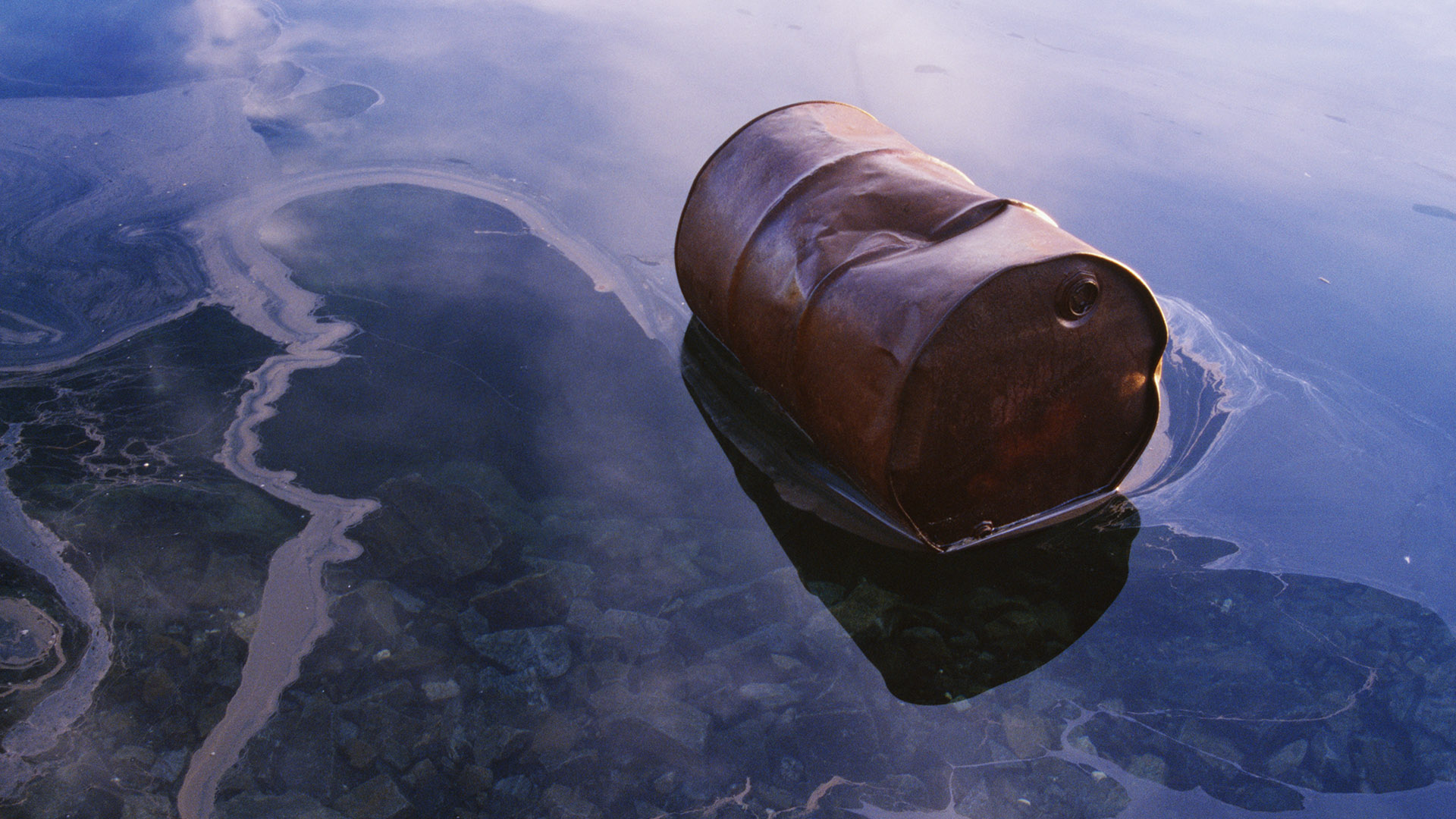
Importance of Insurance for Underground Storage Tanks (USTs)
Nov 30, 2023
Flip the Cap Episode 1: All Things Environmental with Canaan Crouch
Oct 20, 2022
Jencap Launches Cannabis Site Pollution Liability (SPL) Insurance Program
Jun 8, 2022
Trends & White Papers
Agent’s Guide to Professional Liability Gaps (and How to Close Them)
Professional risks are evolving faster than most coverage forms can keep up. The difference between protection and exposure often comes down to the fine print. Do you know how to read between the lines? Jencap’s professional lines specialists do, helping you see what others might miss.
The New Era of Workers' Compensation: Powered by Data, Driven by Outcomes
Cracking the CAT Modeling Code
Is Going Green Good?
Chronicles of Casualty
Navigating the New Frontiers of Professional Lines Insurance
Preparing for The Future of Cannabis Insurance
How Climate Change is Shifting the Insurance Industry
Garage Gurus: Garage Coverage Explained
Riding The Waves of Change Insurance Industry Outlook
Podcasts
Flip the Cap Episode 22: Jencap 10 Year Anniversary Edition: John Jennings on Growth, Culture, and What’s Next

Apr 7, 2026
Flip the Cap Episode 21: Global E&S Trends, Emerging Risks and 2026 Predictions
Nov 12, 2025
Flip the Cap Episode 20: The Energy Pivot: What’s Here to Stay and What’s On the Way

Aug 27, 2025
Flip the Cap Episode 19: Cannabis Insurance Insights: Regulatory Shifts, Coverage Gaps & Expert Strategies

Jul 31, 2025
Flip the Cap Episode 18: The Big Build: Inside Construction Wrap-Up Programs
Apr 24, 2025
Flip the Cap Episode 17: Flames of Uncertainty: How Wildfires Are Shaping Insurance
Mar 20, 2025
Recent Posts
The Technology Signals Reshaping Transportation Risk in 2026

Apr 25, 2026
Cannabis Insurance in Newly Legalized States

Apr 14, 2026
Renewable Energy Risk Trends for Insurance Agents
Apr 9, 2026
Flip the Cap Episode 22: Jencap 10 Year Anniversary Edition: John Jennings on Growth, Culture, and What’s Next

Apr 7, 2026
Common Gaps in Watercraft & Yacht Insurance Coverage
Mar 26, 2026
PFAS Disposal Rules Shift Again
Mar 19, 2026