Environmental insurance is inherently complex, but few understand its long-tail nature better than Canaan Crouch, EVP at Jencap within the Environmental & Energy Division. As Canaan explains, recent headlines suggest a sudden surge in long-tail environmental claims, but that’s not the full story. “People think these claims are happening now, but in reality, they’ve been in motion for years,” he says. “What we’re seeing today is a result of timing — economic conditions, court system backlogs, and long-tail liability exposures all coming to a head at once.” So, let’s take a step back and look at the bigger picture.
Why Environmental Claims Take Years to Unfold
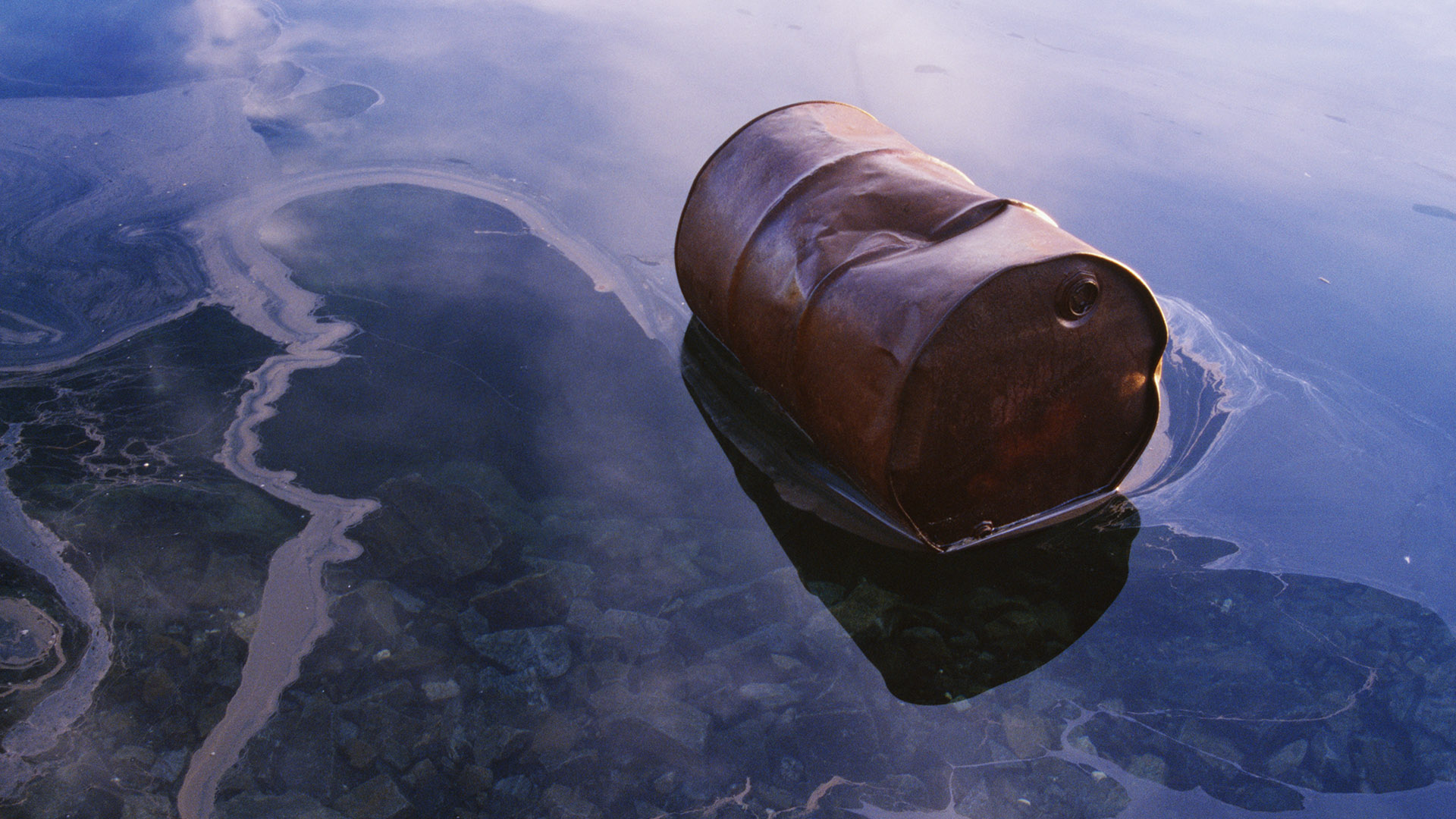
Environmental claims don’t always surface immediately after a pollution event. That’s because three key factors make environmental liability uniquely long-lasting:
1. Latent Discovery of a Pollution Condition
Many times, pollution conditions are not discovered until a significant amount of time has passed, so there is no claim submitted to an insured and/or carrier until much later.
2. Delayed Reporting of a Bodily Injury
A bodily injury from exposure to a pollution condition can take time to manifest, and in some cases, it may take years. As a result, a claim due to exposure to a chemical may not be received by an insured and submitted to the carrier until years after the initial exposure to those chemicals.
3. Delayed Allocation of Liability
Determining who is liable for a pollution condition can be complicated, and may take time to determine how it occurred and who is liable.
The Role of Economic and Market Forces
While environmental claims have always been long-tail in nature, the past decade of financial activity has made this problem even more pronounced. Over the last 10 years, record-low interest rates created a real estate buying spree. Private equity firms, real estate investment trusts, and holding companies took advantage of cheap financing to acquire commercial properties at a rapid pace.
Some of these properties had latent environmental risks — but those exposures take years to surface in the form of claims. “We saw this massive throughput of transactions, but environmental exposures don’t show up right away,” Canaan says. “Now, we’re in that window where claims are starting to hit from all those deals.” In other words, many companies that bought properties without fully understanding their environmental exposure are just now realizing the financial consequences.
It is important to keep a couple of key concepts in mind when evaluating environmental liability.
- Liability follows the chain of title. A company can be held responsible for contamination even if they didn’t cause it—just by owning the property at some point in the past.
- Liability is joint and several. If multiple companies have owned a site, any one of them can be held fully liable for cleanup costs and damages, regardless of their level of involvement.
- There’s no statute of limitations. Unlike other claims, environmental liability never expires. If contamination is discovered decades later, a company can still be held accountable.
The COVID-19 Court Backlog
Adding fuel to the fire, the COVID-19 pandemic delayed court cases across the country, leading to a bottleneck in environmental claim settlements. From 2020 to 2023, courts faced extreme backlogs, causing significant delays in processing environmental cases.
This led to a three-year standstill where claims weren’t being resolved — and no settlements were being paid out.
Now that courts are catching up, a wave of delayed environmental claims is finally being processed, making it seem like there’s a sudden surge. “This isn’t a new problem. Instead, claims that should have been resolved years ago are just now getting paid,” Canaan notes. “That’s why it feels like everything is happening all at once.” For agents, this means the rise in claims isn’t an anomaly — it’s the natural result of long-tail exposure combined with economic cycles and court system delays.
What Agents Need to Do Right Now
With the industry facing an influx of environmental claims, agents must proactively help their clients assess their exposure and risk.
- Ask the right questions. Have your clients acquired properties in the last 10 years? Do they know what environmental liabilities they may have inherited?
- Educate clients about timing. Many companies assume they’re in the clear if they haven’t faced a claim yet — but that’s not how environmental liability works.
- Get ahead of the exposure. If a company lacks the right environmental coverage, they could be blindsided by crippling financial liabilities years down the line.
“These claims are costly, they’re never-ending, and they don’t go away,” Canaan warns. “The best thing agents can do is make sure their clients are properly covered before they get hit with a claim they weren’t expecting.”
Jencap: Your Environmental Insurance Partner
Environmental risks are too complex to address with a one-size-fits-all insurance solution. That’s why working with a specialist is essential. Jencap is one of the leading experts in environmental insurance, offering:
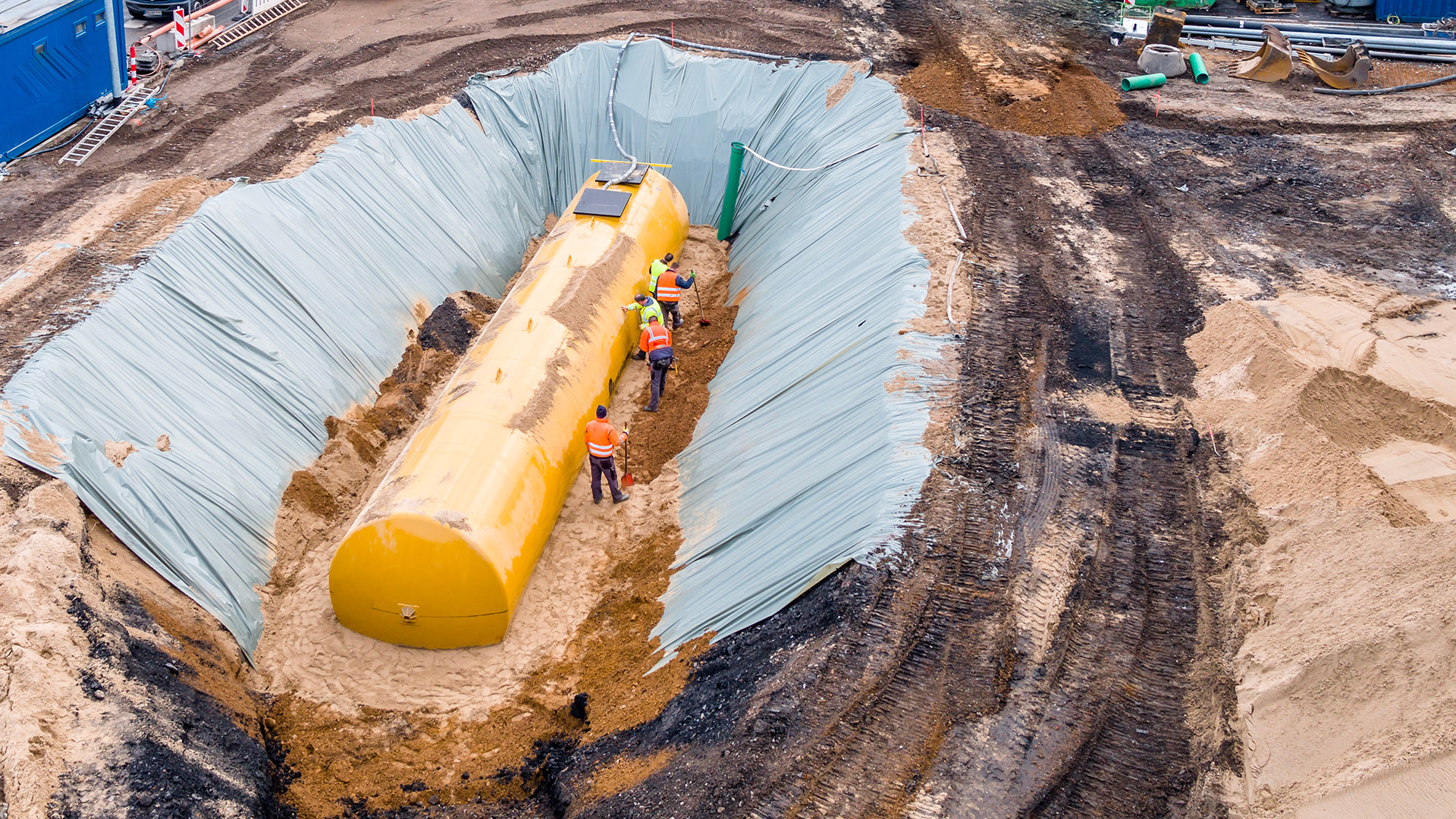
- Customized coverage solutions for site pollution, contractors’ pollution, storage tanks, and more.
- Deep industry expertise to help agents navigate the complexities of long-tail claims.
- Access to top-rated carriers and exclusive environmental insurance programs.
“If your policy isn’t structured for the right exposure, you’re leaving your client vulnerable,” Canaan says. “That’s why agents need to work with a true environmental specialist — because when a claim comes in, it’s too late to fix the coverage.” Environmental exposures aren’t going away, but with the right policies, your clients can be protected for the long run. Partner with Jencap’s environmental team today to ensure your clients have the correct coverage long before they need it.
The Jencap Environmental Insurance Team
Jencap’s team of environmental underwriters have dedicated their entire careers to the environmental sector — they are environmental professionals that happen to sell insurance. Our brokers have backgrounds as environmental consultants and geologists, which gives you and your clients a significant advantage. When it comes to
environmental coverage, you don’t want a generalist broker. With the Jencap team, you can trust our brokers have worked every angle of the environmental industry and can customize our exclusive program capabilities for any environmental coverage need.