They’re invisible. They’re virtually indestructible. And they’re turning into a regulatory nightmare.
PFAS (short for per- and polyfluoroalkyl substances) have earned the nickname “forever chemicals” because they don’t break down in the environment or the human body. As research expands and regulations tighten, PFAS have become a flashpoint in various areas, including real estate transactions, manufacturing operations, and firefighting protocols.
For insurance agents, understanding where PFAS risks lie and when they may require coverage conversations is quickly becoming essential. In this PFAS primer, we’ll break down the basics: what PFAS are, where they show up, why they’re a health hazard, and what’s driving their growing relevance in insurance.
PFAS 101: What Are PFAS, Exactly?
PFAS are a large group of synthetic chemicals—more than 9,000 compounds in total—designed to resist heat, water, oil, and stains. Since their development in the 1940s, PFAS have been used in a wide range of applications, including non-stick cookware, rain jackets, industrial processes, and firefighting foam.
These chemicals are built to last, and that’s part of the problem. PFAS don’t break down naturally in the environment. Instead, they accumulate in soil, groundwater, plants, animals, and people. And because they’re often odorless, tasteless, and invisible, they can go undetected for decades. Among the most well-known PFAS are PFOA, PFOS, and GenX. While many of these legacy compounds have been phased out, newer versions still pose risks, and can degrade into similarly harmful substances over time.
Hiding in Plain Sight: Where Do PFAS Show Up?
The better question might be: Where don’t they?
PFAS were designed to resist heat, stains, grease, and water, so for decades, they’ve been a go-to ingredient in everything from industrial coatings to fast food wrappers. And while many manufacturers have phased out certain types, the legacy of PFAS use is far from behind us. Let’s break it down.
In the industrial world…
PFAS have played a behind-the-scenes role in countless operations, used in everything from metal plating to microchip manufacturing. If your client is in aerospace, automotive, electronics, chemical production, or textile finishing, there’s a real chance PFAS were part of the process at some point.
In firefighting foam…
Aqueous Film-Forming Foam (AFFF) has been a primary tool in combating fuel fires, particularly at airports, military bases, and industrial sites. The problem? AFFF is loaded with PFAS, and every training exercise or emergency response where it was used may have left a lasting mark on the surrounding environment.
In everyday consumer products…
Think of water-resistant jackets, non-stick pans, stain-proof carpets, and even the wrapper around your favorite fast-food burger. PFAS were used to make everyday life a little more convenient. Unfortunately, that convenience has come with a cost.
In the waste stream…
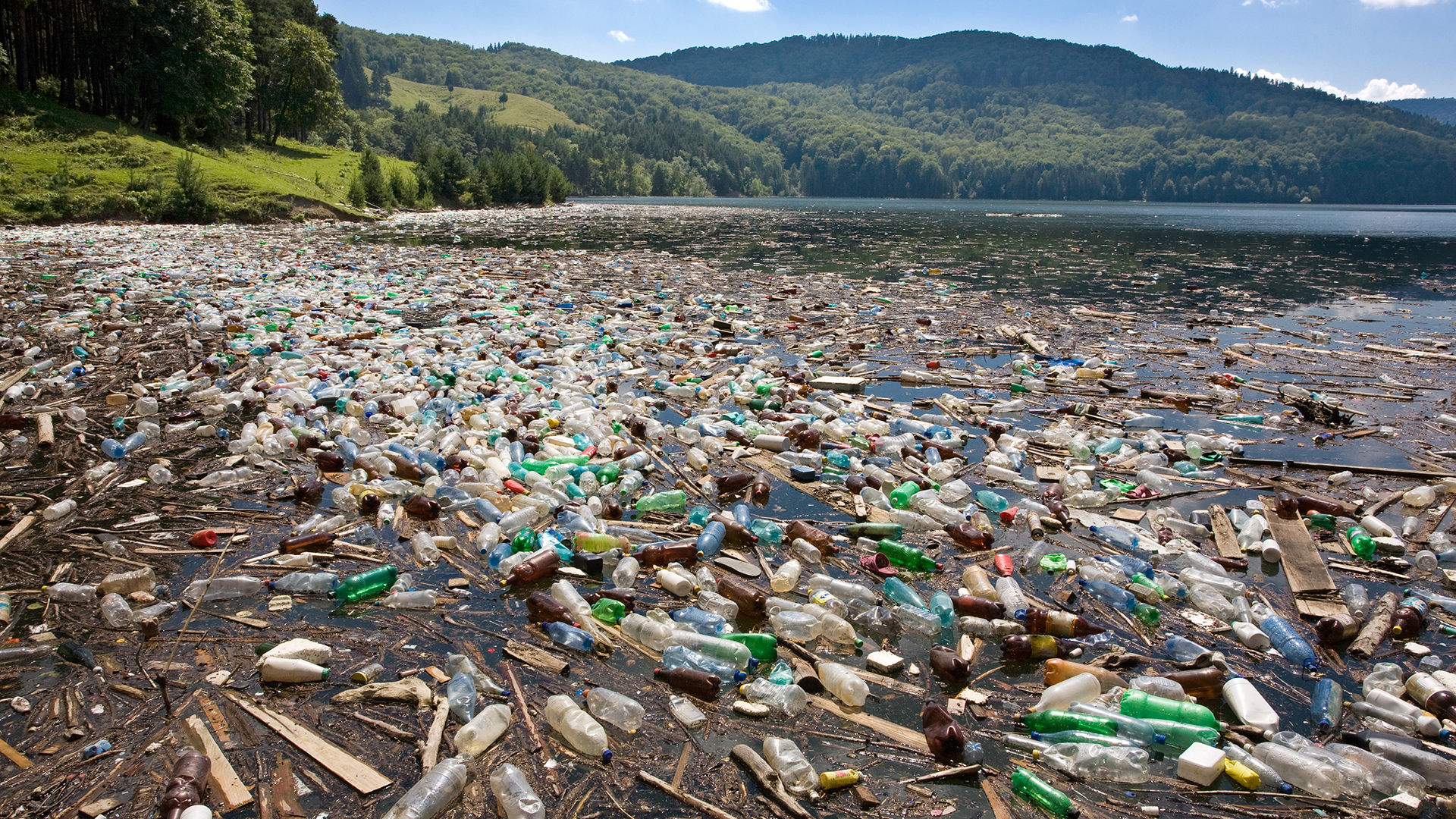
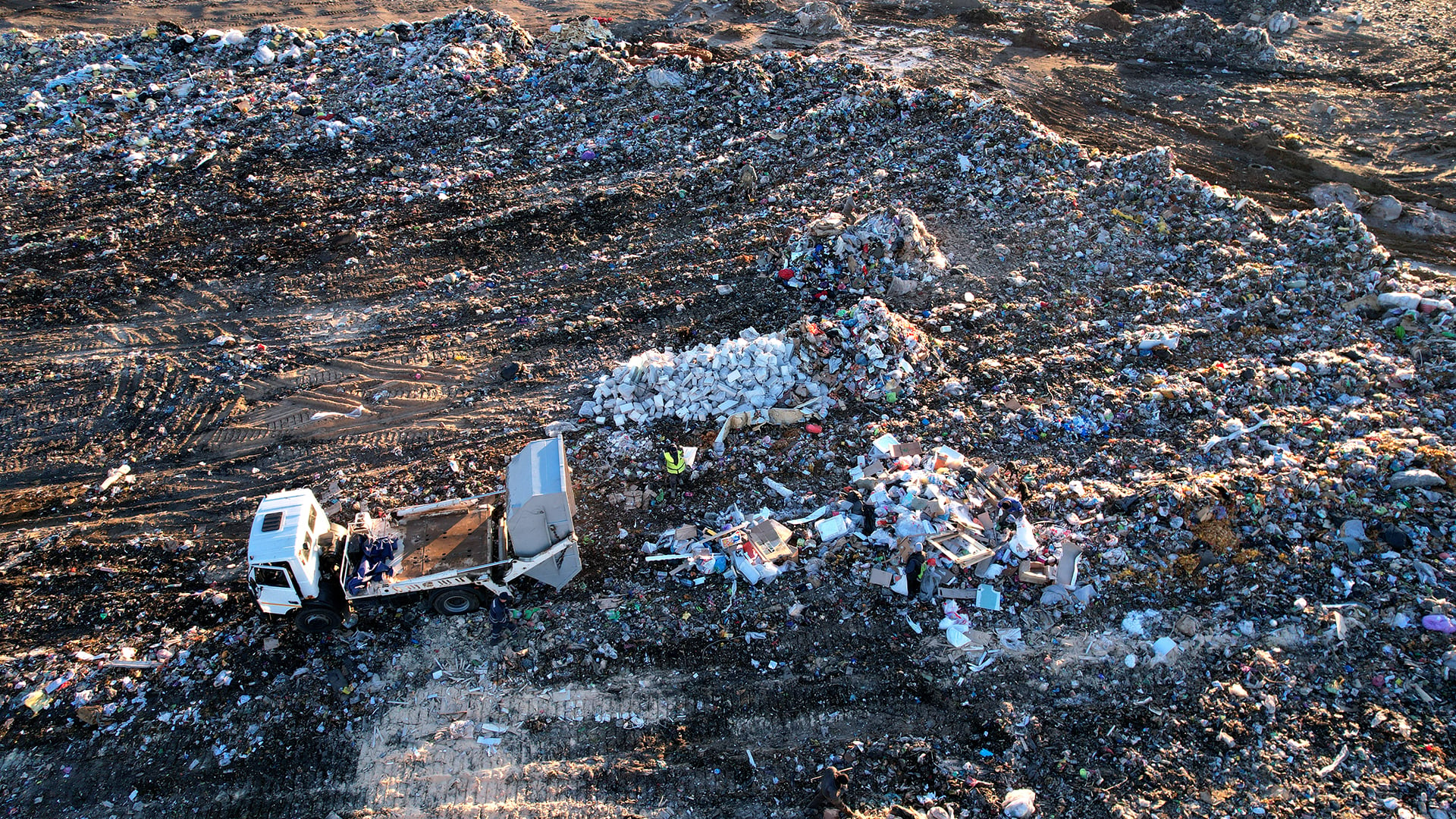
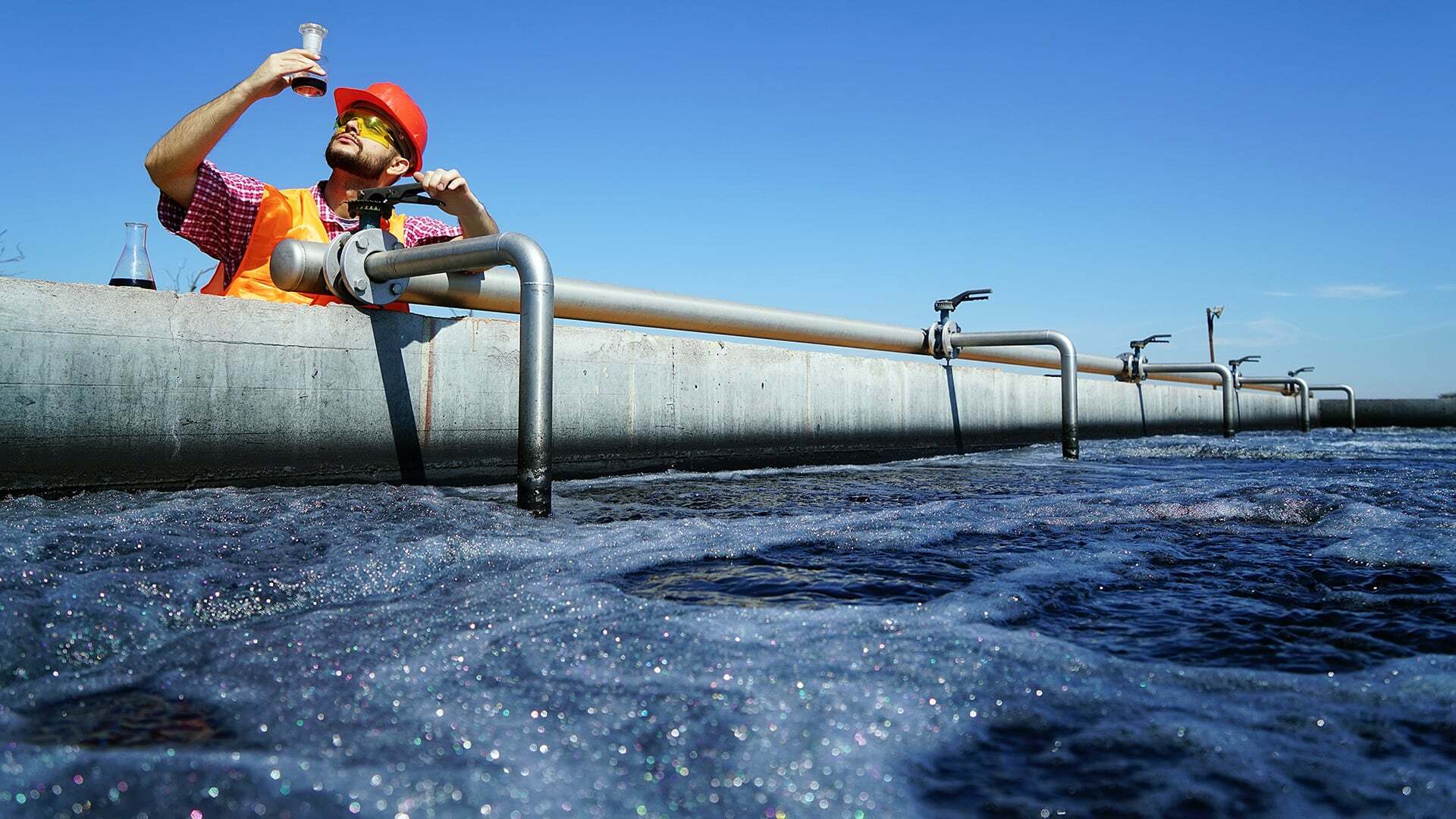
Even if your client didn’t directly use PFAS, they may still be dealing with it. Landfills, wastewater treatment plants, and biosolids applied to farmland can all be secondary sources of PFAS. And because these chemicals don’t degrade, they can seep into soil and groundwater over time, quietly building up.
What’s the Risk to Human Health?
The science is still evolving, but what we know so far is sufficient to raise concerns. PFAS exposure has been linked to a range of serious health effects:
- Kidney and testicular cancer
- Liver damage
- Thyroid dysfunction
- Weakened immune response
- Reproductive and developmental issues
The danger comes from how PFAS behave in the body. They don’t metabolize or get flushed out easily, so even small exposures over time can lead to high concentrations in the bloodstream. Contaminated drinking water remains one of the most common pathways of exposure. In 2024, the EPA finalized some of the strictest national limits ever on PFAS levels in drinking water, setting enforceable limits in the single-digit parts per trillion. But in 2025, under a new administration, those PFAS regulations were partially rolled back.
While federal oversight may be loosening, PFAS liability hasn’t gone away. Many states are maintaining or even tightening their standards, and for clients with operations across multiple jurisdictions, this patchwork of rules can become complicated quickly.
The PFAS Insurance Fallout: Why Should Agents Care?
There is an impact on the insurance world here because PFAS can create a liability situation long before a lawsuit or cleanup order lands on your client’s desk. PFAS-related risks can be triggered in a variety of ways:
- Property transactions. Industrial or commercial sites, like those near airports, military bases, or landfills, may have legacy contamination. If PFAS is mentioned in a Phase I ESA, that’s a signal to dig deeper.
- Regulatory shifts. Some states have more stringent PFAS standards than the federal government, and new testing or disclosure rules could require clients to address contamination they were unaware of.
- Industrial clients. Whether it’s plating, polishing, packaging, or coatings, PFAS have been used in a wide range of industries. Don’t assume a client is in the clear just because they don’t handle chemicals today.
- Emergency response operations. Firefighting systems that used or stored AFFF, even years ago, can leave behind environmental residues that carry long-term liabilities.
The tricky part? PFAS isn’t always top of mind for clients. They may not know their property or operation was ever at risk. That’s where you come in.
The Bottom Line for Agents
PFAS risks are showing up more often, and they’re starting to result in regulatory action, public concern, and yes, insurance claims. Jencap’s environmental insurance team has the technical knowledge and underwriting expertise to help you navigate these tricky exposures and place coverage that fits. We’ll help you ask the right questions, identify hidden risks, and support your clients before “forever chemicals” turn into forever claims. Reach out to schedule a call today.
The Jencap Environmental Insurance Team
Jencap’s team of environmental underwriters have dedicated their entire careers to the environmental sector — they are environmental professionals that happen to sell insurance. Our brokers have backgrounds as environmental consultants and geologists, which gives you and your clients a significant advantage. When it comes to environmental coverage, you don’t want a generalist broker. With the Jencap team, you can trust our brokers have worked every angle of the environmental industry and can customize our exclusive program capabilities for any environmental coverage need.
Explore Further
Flip the Cap Episode 20: The Energy Pivot: What’s Here to Stay and What’s On the Way
Aug 27, 2025
PFAS Risks: How to Protect Your Clients from Long-Tail Liability
Aug 7, 2025
Understanding PFAS Risks: What Agents Need to Know About “Forever Chemicals”
Jul 17, 2025
Why Environmental Claims Are Spiking — And What Agents Need to Know

Mar 20, 2025
Forever Filing: The Rise of PFAS Litigation
Feb 13, 2025
Navigating the Complex World of PFAS Liability
Sep 5, 2024
Flip the Cap Episode 13: Loren Henry, Recharging the Energy Sector

Jun 20, 2024
Hidden Hazards in Urban Planning: Importance of Environmental Insurance

May 2, 2024
Shedding Light on NEM 3.0’s Impact on California Solar Market and Insurance
Feb 22, 2024
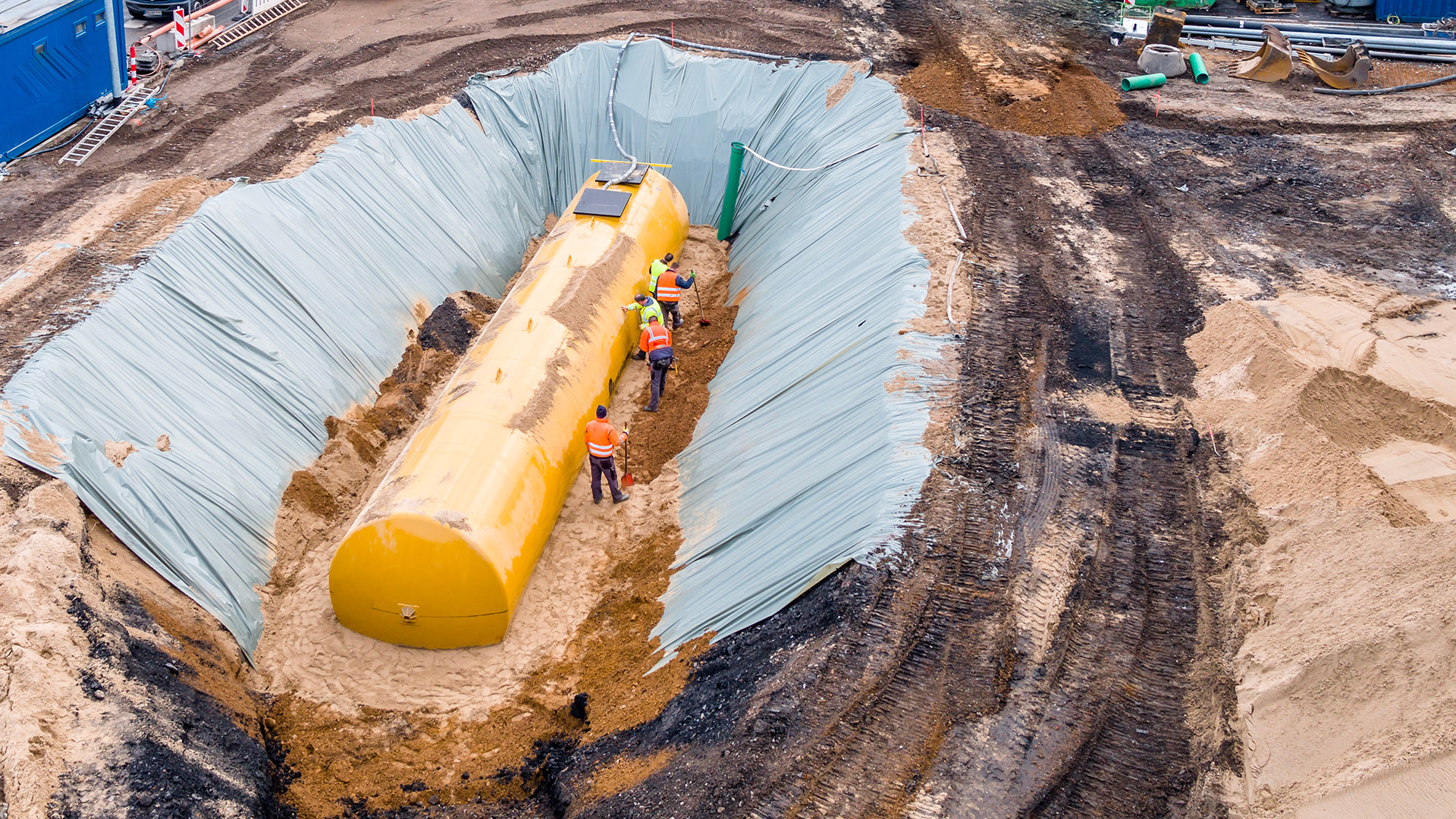
Importance of Insurance for Underground Storage Tanks (USTs)
Nov 30, 2023
Flip the Cap Episode 1: All Things Environmental with Canaan Crouch
Oct 20, 2022
Jencap Launches Cannabis Site Pollution Liability (SPL) Insurance Program
Jun 8, 2022
Trends & White Papers
Agent’s Guide to Professional Liability Gaps (and How to Close Them)
Professional risks are evolving faster than most coverage forms can keep up. The difference between protection and exposure often comes down to the fine print. Do you know how to read between the lines? Jencap’s professional lines specialists do, helping you see what others might miss.
The New Era of Workers' Compensation: Powered by Data, Driven by Outcomes
Cracking the CAT Modeling Code
Is Going Green Good?
Chronicles of Casualty
Navigating the New Frontiers of Professional Lines Insurance
Preparing for The Future of Cannabis Insurance
How Climate Change is Shifting the Insurance Industry
Garage Gurus: Garage Coverage Explained
Riding The Waves of Change Insurance Industry Outlook
Podcasts

Flip the Cap Episode 22: Jencap 10 Year Anniversary Edition: John Jennings on Growth, Culture, and What’s Next

Apr 7, 2026
Flip the Cap Episode 21: Global E&S Trends, Emerging Risks and 2026 Predictions
Nov 12, 2025
Flip the Cap Episode 20: The Energy Pivot: What’s Here to Stay and What’s On the Way

Aug 27, 2025
Flip the Cap Episode 19: Cannabis Insurance Insights: Regulatory Shifts, Coverage Gaps & Expert Strategies

Jul 31, 2025
Flip the Cap Episode 18: The Big Build: Inside Construction Wrap-Up Programs
Apr 24, 2025
Flip the Cap Episode 17: Flames of Uncertainty: How Wildfires Are Shaping Insurance
Mar 20, 2025
Recent Posts
The Technology Signals Reshaping Transportation Risk in 2026

Apr 25, 2026
Cannabis Insurance in Newly Legalized States

Apr 14, 2026
Renewable Energy Risk Trends for Insurance Agents
Apr 9, 2026
Flip the Cap Episode 22: Jencap 10 Year Anniversary Edition: John Jennings on Growth, Culture, and What’s Next

Apr 7, 2026
Common Gaps in Watercraft & Yacht Insurance Coverage

Mar 26, 2026
PFAS Disposal Rules Shift Again
Mar 19, 2026