Dealers Open Lot insurance is essential for used auto dealers. Without it, businesses could end up on the hook for large losses if damage is caused to their fleet of vehicles.
How does dealers’ open lot insurance work?
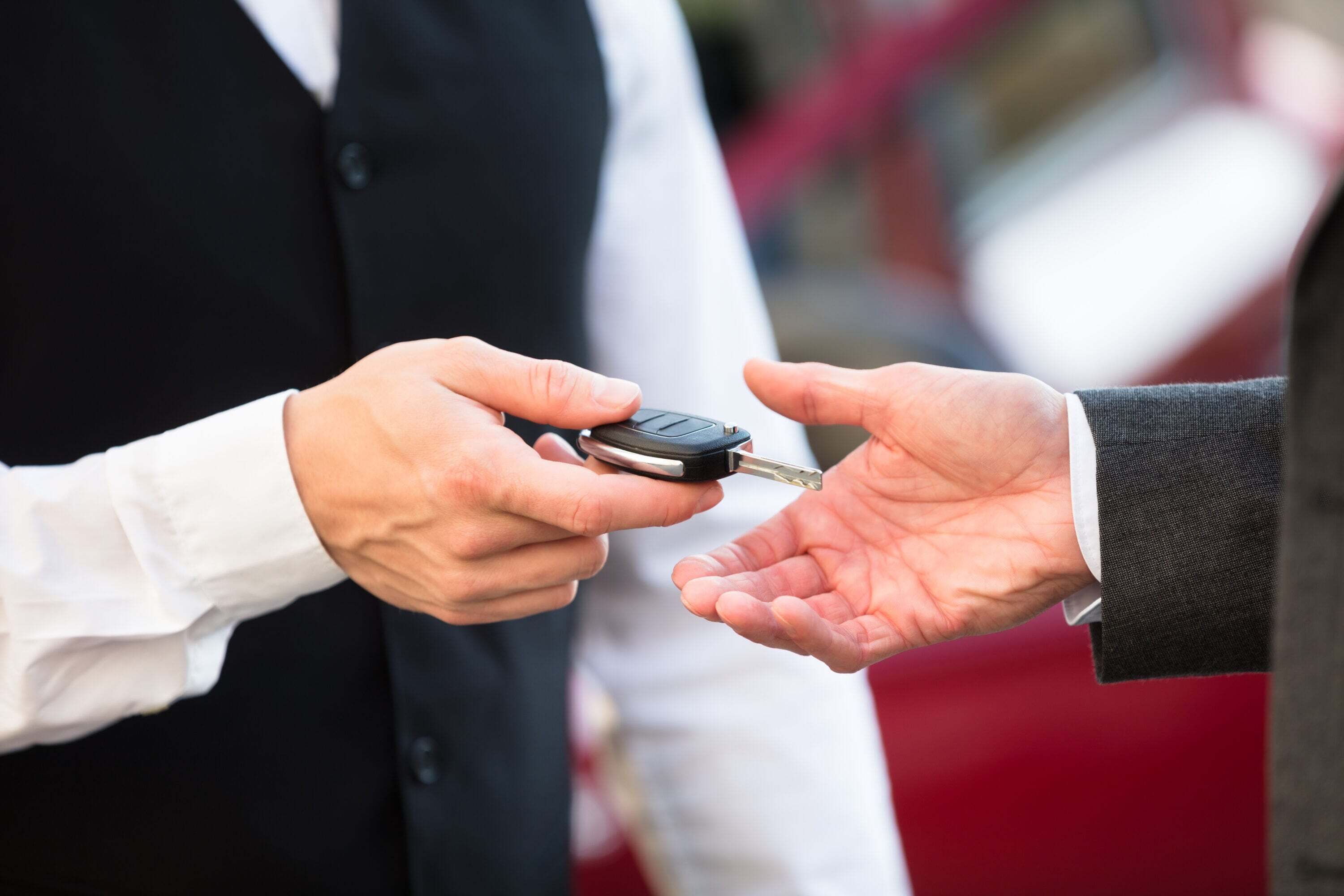
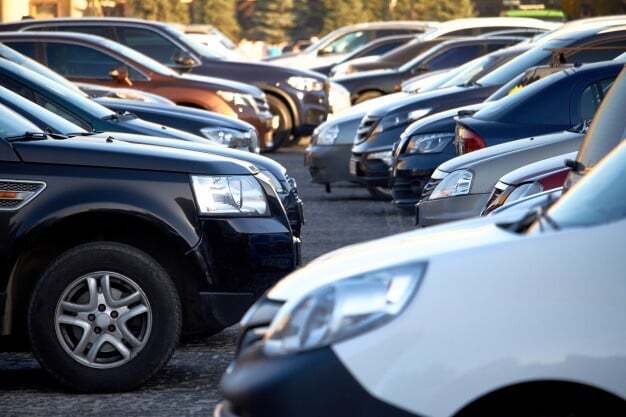
Dealers Open Lot (DOL) insurance provides auto physical damage coverage on a fleet of vehicles owned by a licensed auto dealer. These policies are custom built with dealers in mind and equipped to handle their specific risks.
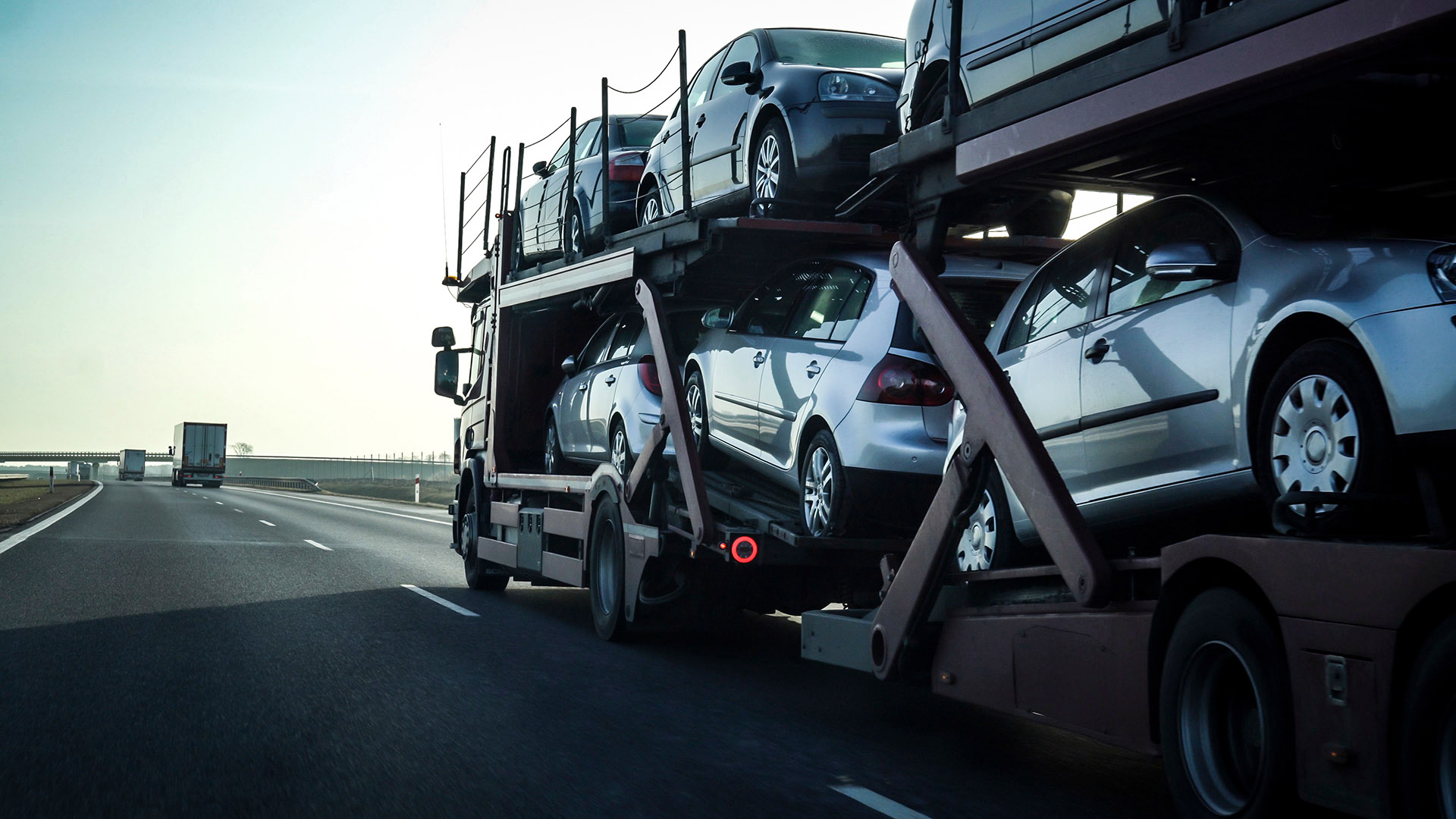
DOL coverage is not exclusive to the lot itself or just for private passenger vehicles. Vehicles can be covered for personal use if the policy has scheduled furnished drivers; coverage applies while the dealer is doing repairs, during accompanied test drives, while transporting the vehicles from an auction, or while the vehicles are parked on the sales lot. Coverage can be extended for vehicles other than private passenger type automobiles, such as trailers, motorcycles, heavy equipment, or other types of vehicles held for sale if the carrier agrees to cover vehicles “other than autos” by definition in the policy.
The exact specifications of coverage depends on the policy. Agents must work closely with clients to create a policy that fits their unique needs.
How much coverage is needed? And how much will the rate and deductible be?
The level of coverage and the rate depend on the scale of damage risk as well as the total value of a business’ inventory. A rule of thumb to determine the adequate policy DOL limit is to multiply the average number of units on the lot times the average value per unit. It is important to identify the maximum value per unit limit needed on the policy as well. DOL Coverage amounts are set at 100% of the value of a dealer’s inventory. The lot must be insured to value to avoid coinsurance penalties. For inventories larger than $1,000,000, a value can be established through monthly reporting from the dealer/insured to the insurer each month.
- The level of risk is based on a variety of factors. For starters, the security of the property where vehicles are stored is important. Ie: fencing, lighting, cameras, and the property crime score in the area. An open, unprotected lot is a greater risk compared to vehicles stored behind a fence with a locked gate or inside a building. The higher the level of protection, the lower premiums and deductibles.
- Geography plays a role in assessing risk. Premiums and deductibles are higher for dealers living in areas at risk for flooding, high winds, or hail. Policies may have exclusions for these types of damages if the risk is high.
- Population density is a factor. Losses are likely in highly populated areas, so clients in cities or other urban areas see higher rates.
- Radius is a factor as well. If a radius is needed beyond 200 – 300 miles, the insurance carrier will need to know why they need a larger radius and what auction houses they are going to.
- The types of vehicles sold are a factor in underwriting. Carriers have different guidelines for salvage titled autos, heavy trucks/tractors, trailers/RV’s, motorcycles, antique autos, boats or other specialty types of vehicles. Be sure to fully disclose all types of vehicles sold on the application and pay attention to specific policy exclusions.
What is a coinsurance penalty?
If the dealers’ physical damage limit listed on the policy is less than 100% of a business’ inventory, the insurance carrier will only pay the percentage of the value that they cover.
For example, say your client has coverage for $500,000 worth of inventory, but the actual lot value is closer to $1,000,000. In this case, the insurance policy pays for only 50% of the amount of the damages on a covered claim.
What is covered by dealers’ open lot insurance?
Collision is the most common covered peril for reported claims under the dealers open lot/dealers physical damage coverage part. It is important that employees and family members who drive the vehicles on dealer tags for personal use are scheduled and rated for on the policy to avoid a claim denial if the employee or family member is driving the vehicle for anything other than business purposes. Most carriers require all test drives to be accompanied by a salesperson, and no overnight test drives are allowed.
Other causes of loss depend on the specifics of each policy, but some potentials are:
1. Damage caused by fire, explosions, and weather events such as flooding, hail, and earthquakes
2. Theft, vandalism, or damage during transportation
False pretense is an optional coverage form that can be added to the dealers open lot policy. Losses from false pretense could be a trick or scheme from circumstances such as buying a vehicle from someone who did not have a legal title or a test drive where the driver never returns.
The details of the policy determines the level and range of coverage. Agents should work closely with clients to find a coverage option that’s right for them.
Jencap has policy solutions for dealers to protect their inventories and this coverage can be written monoline, or can often be packaged on the policy with the dealers’ garage liability coverages.
The Jencap Transportation/Garage Insurance Team
If your risk has wheels, Jencap’s transportation and garage team has a broad range of
insurance solutions for you. Our industry-leading underwriters are always imagining what’s ahead of the curve in the transportation industry and ready to combat any current or future challenges that may exist in the marketplace.