A variety of trends—including gas shortages, shipping delays, inflation, extreme weather, and the COVID-19 pandemic—have significantly impacted the Inland Marine Insurance industry. This unprecedented volatility has led to increased rates, new exclusions, and tighter policy terms to limit losses.
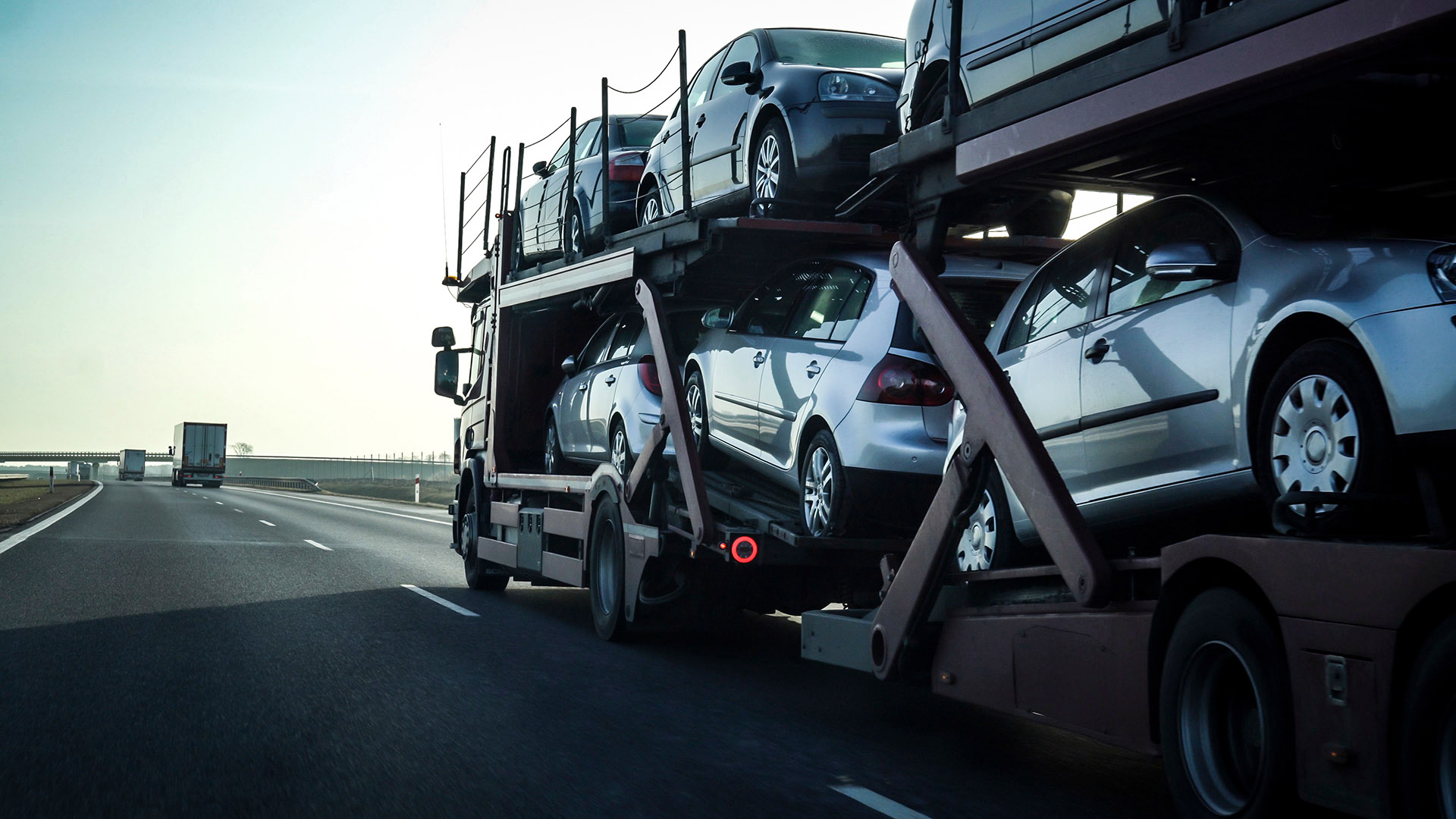
Inland Marine Insurance provides coverage for movable property (goods and products) that are on the ground – whether by rail, truck, car or other mode of ground transportation. This includes coverage for movable property related to the following industries: construction, logistics, energy, agriculture, fine arts and species, and more. If your clients’ companies have assets that are under construction, frequently move equipment to different locations, or transport products, Inland Marine Insurance provides critical protection from damage or loss.
Inland Marine Insurance policies help cover the costs to repair or replace property that is damaged due to events such as theft, fire, or flooding, or various other accidents or mishandling. A standard Commercial Property policy, in contrast, is designed to protect the assets at your client’s business address (a stationary location) and often provide low sub limits for Inland Marine coverage.
Our specialized marine experts are here to break down some important trends currently impacting Inland Marine Insurance:
- Rising gas prices. As pandemic travel restrictions lift, the Russia-Ukraine conflict continues, and fuel prices soar, gas is facing new levels of limited supply and increased demand. During the COVID pandemic, demand for gas was reduced, as people were quarantined, working from home, and not traveling. These factors helped keep oil and gas prices low. When the pandemic ended, demand for gas increased. Then Russia—one of the top three global oil producers—invaded Ukraine, and the conflict spurred fear that the Russian supply might be disrupted. Gas prices hit historic highs of $5.016 in June 2022, and, as of early July 2022, the prices had fallen to $4.779 per gallon, according to AAA data.
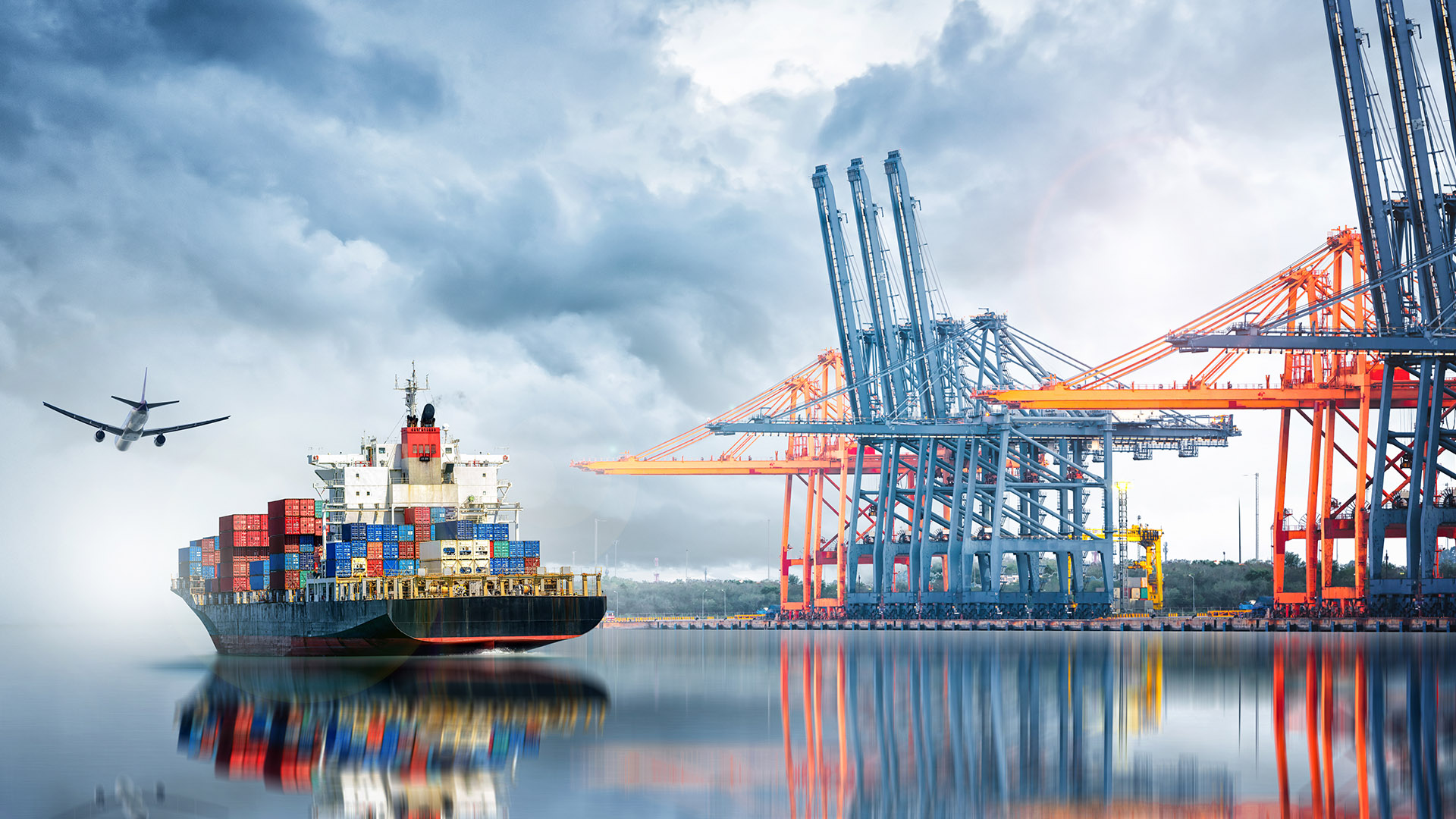
- Shipping delays. There’s no denying that shipping delays have been a major challenge in recent years. A well-known example is the ship that got stuck in the Suez Canal and blocked the entire canal for six days in March 2021, freezing nearly $10 billion in trade each day. Transit was backed up, as ships were rerouted around the area. Today, shipping challenges continue, and staffing shortages compound the delays. There aren’t enough laborers to unload cargo from incoming ships, which is leading to massive backups at harbors. Whereas it used to take ships a few weeks to make passage, now it’s taking longer.
- Increased extreme weather events. Wildfires, hurricanes, tornadoes, and other destructive weather events are on the rise due to climate change. These weather events are happening more frequently, with greater severity, and across more areas—not just coastal locations. This includes tornadoes in Tennessee, freezing in Texas, and wildfires in Colorado. These events are, of course, in addition to coastal flooding, Nor’Easters, and other damaging weather occurrences. In response, Inland Marine carriers must now model accordingly for increased weather risks and higher exposures.
- Construction disruptions. Suppose your client’s company sends equipment or materials to a construction site, but the project has been delayed, suspended, or canceled because vendors can’t source supplies or they can’t find enough qualified workers to finish the job. In this scenario, the equipment and materials at the paused job site may be stolen. Your client may need longer terms on their insurance policies due to an indefinite project delay. The unoccupied construction site now has more exposures, with higher risk of theft, vandalism, flooding, fires, and other damage. Some carriers are limiting the number of endorsements insureds can have on a policy. Previously, they may have been willing to extend a Builders Risk policy two or three times over, but they’re not always giving those extensions now. So, if your client’s project is only half built and they’ve already used up their policy, it’s more difficult than ever to gain extensions because of these delays.
- Inflation. The Consumer Price Index (CPI) increased by 7% in 2021, the largest yearly inflation increase since 1982, according to the Bureau of Labor Statistics. While we’re all feeling the sting of the high costs of groceries and gas, it’s also important to understand how inflation impacts insurance costs. For instance, the prices of lumber, soybeans, corn, wheat, and many other products are increasing, which means that companies now have to spend more money to insure the same products with the inflated prices. Carriers want these items to be insured to value and are strict about enforcing this.
Jencap has specialized Inland Marine expertise to protect your clients’ property and manage their risks for construction projects, inventory in transit, and much more. For advice on this topic, or to obtain comprehensive coverage that protects your clients’ valuable businesses, contact us.
The Jencap Transportation/Garage Insurance Team
If your risk has wheels, Jencap’s transportation and garage team has a broad range of
insurance solutions for you. Our industry-leading underwriters are always imagining what’s ahead of the curve in the transportation industry and ready to combat any current or future challenges that may exist in the marketplace.