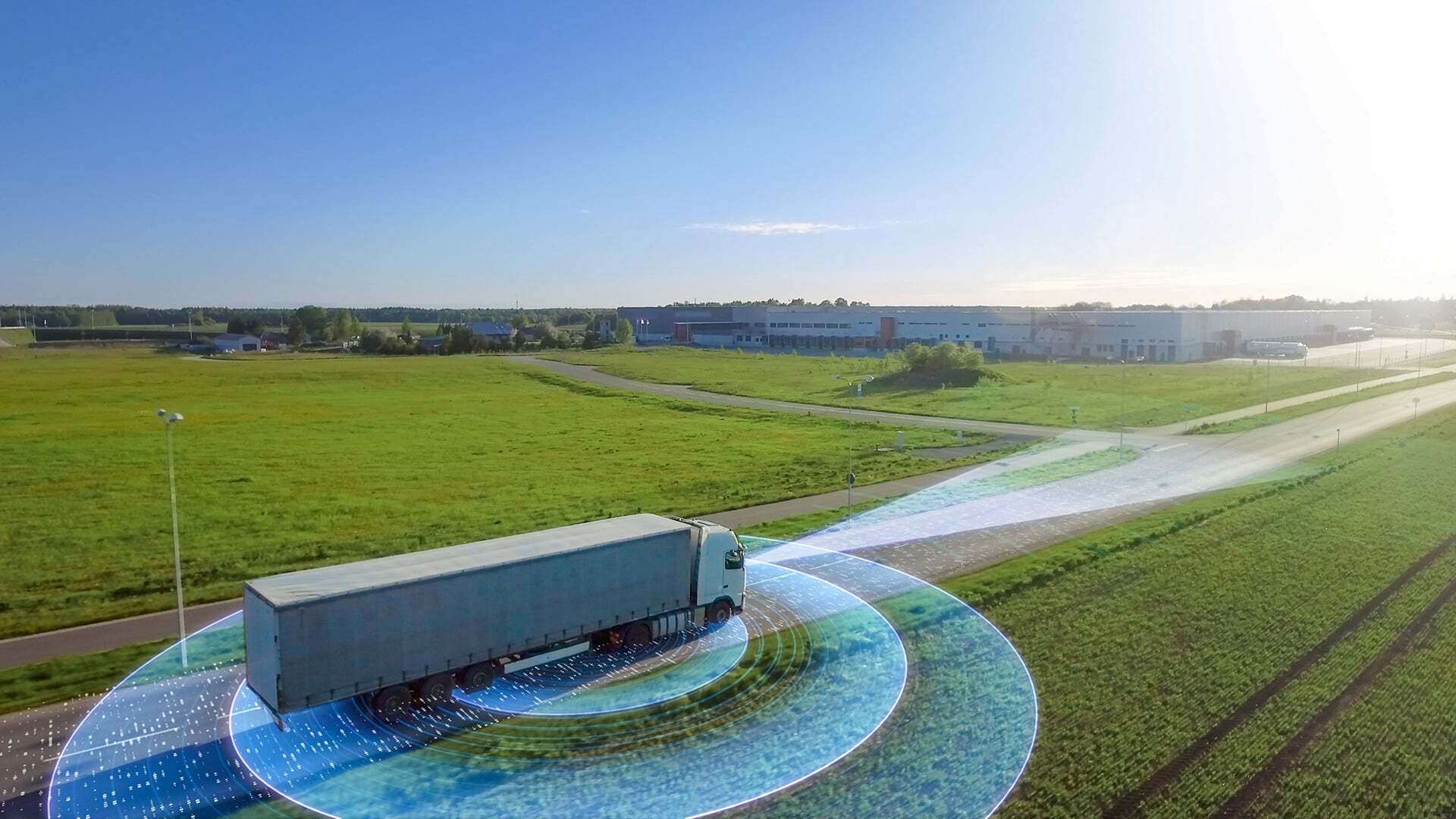
If your client’s business involves assembling, importing, exporting, manufacturing, transporting, and/or distributing goods—a Stock Throughput Policy (STP) may be needed to cover their risk exposure.
What is a STP
A STP is a form of marine coverage that protects a company’s goods throughout the global supply chain- from creation to final destination. These policies provide comprehensive protection for your client’s products and peace-of-mind that these goods—including fragile, sensitive, and high-value items—will be protected during transit and storage.
While specific policy language varies by carrier, STP’s typically provide “all risk” coverage, meaning that all risks are covered unless explicitly excluded in the policy terms. These policies also cover the products in all forms; including raw materials, manufactured products, semi-processed goods, and finished products.
A STP provides continuous coverage for goods as long as the insured has ownership of or responsibility for the product, even when the goods are in third-party hands. In most cases, coverage starts once raw materials are acquired and continues through production, assembly, transit, and storage, until the product reaches the end customer.
Coverage Gaps That STP’s Eliminate
It’s regular practice for a business to insure their buildings, machinery, equipment and warehoused products on a Commercial Property policy – in combination with an Inland Marine policy to cover their goods during transportation. However, this approach frequently results in coverage gaps, such as when goods exchange hands or travel internationally.
A STP provides continuous coverage for your client’s products regardless of how and where they are traveling and where they are being stored; resulting in a more comprehensive insurance solution for the risk.
In today’s global marketplace, a company’s products can take on many different forms and change hands numerous times as they’re shipped from point of origin to final destination. Raw materials could be created in one country, assembled in another, and then stored somewhere else before being shipped to the end-point destination. As these goods travel along the supply chain, they’re exposed to a variety of risks every step of the way.
Perhaps your client owns a toy manufacturing company. The raw materials for the toys are imported from China, then the toys are assembled in California. After assembly, they’re shipped to your client’s distribution warehouse in Arizona, where they’re packaged up and sent to retailers nationwide. Three weeks ago, a shipment of raw materials from China was accidentally damaged at the port while being unloaded from the cargo ship. Then, last week, a pallet of toys was ruined while being transported to the Arizona warehouse. In both cases, the client’s Stock Throughput Policy would cover the damage.
Key Benefits of a STP Include:
- Continuous, comprehensive coverage. Instead of managing multiple policies simultaneously, like Inland Marine, Ocean Marine, and Property Insurance, a STP provides comprehensive coverage for your client’s goods throughout the international supply chain and while in third-party custody – eliminating many commonly identified coverage gaps.
- Lower deductibles and premiums. A Marine Cargo deductible is often much lower than a Property Insurance deductible. Since STP falls under the Marine Cargo market, these policies often offer lower deductibles for catastrophic and non-catastrophic risks. Additionally, the Marine Insurance market often provides much lower rates versus traditional Property Insurance markets, which can be volatile.
- Broader limits. A STP often offers broader limits for weather events, including earthquakes or floods.
- Streamlined administration. Having one comprehensive policy makes administrative tasks quicker, easier, and more streamlined vs. trying to manage multiple policies. Also, settlement and payment of STP claims is often faster and easier than Property claims.
- No time limitations. There are typically no time limits on STP coverage, so your client’s goods in transit and in storage are protected throughout the length of the policy.
- High liability limits. Limits can exceed $100 million per location, which is higher than some other coverage options.
As the global economy expands, more companies are relying on Stock Throughput Policies to protect their goods from beginning to end; removing coverage gaps, simplifying the claims process, providing competitive rates, and most importantly peace of mind to your valued clients. Jencap specializes in this coverage and is standing by to set your client’s business up for success. Contact us today.
The Jencap Transportation/Garage Insurance Team
If your risk has wheels, Jencap’s transportation and garage team has a broad range of insurance solutions for you. Our industry-leading underwriters are always imagining what’s ahead of the curve in the transportation industry and ready to combat any current or future challenges that may exist in the marketplace.
Explore Further
The What, When and Why’s of Stock Throughput Policies

Aug 2, 2022
Important Trends Impacting Inland Marine Insurance

Jul 12, 2022
CGL vs. Garage Liability Insurance: Which is Right for Your Client?

May 25, 2022
On the Road: Talking to Your Charter Bus Clients

Nov 10, 2020
How To Avoid a Garage Keepers Legal Liability Claim

Oct 6, 2020
Come Fire or Flood… Why You Need Dealers’ Open Lot Insurance
Jun 2, 2020
Trends & White Papers
Agent’s Guide to Professional Liability Gaps (and How to Close Them)
Professional risks are evolving faster than most coverage forms can keep up. The difference between protection and exposure often comes down to the fine print. Do you know how to read between the lines? Jencap’s professional lines specialists do, helping you see what others might miss.
The New Era of Workers' Compensation: Powered by Data, Driven by Outcomes
Cracking the CAT Modeling Code
Is Going Green Good?
Chronicles of Casualty
Navigating the New Frontiers of Professional Lines Insurance
Preparing for The Future of Cannabis Insurance
How Climate Change is Shifting the Insurance Industry
Garage Gurus: Garage Coverage Explained
Riding The Waves of Change Insurance Industry Outlook
Podcasts

Flip the Cap Episode 22: Jencap 10 Year Anniversary Edition: John Jennings on Growth, Culture, and What’s Next

Apr 7, 2026
Flip the Cap Episode 21: Global E&S Trends, Emerging Risks and 2026 Predictions

Nov 12, 2025
Flip the Cap Episode 20: The Energy Pivot: What’s Here to Stay and What’s On the Way

Aug 27, 2025
Flip the Cap Episode 19: Cannabis Insurance Insights: Regulatory Shifts, Coverage Gaps & Expert Strategies

Jul 31, 2025
Flip the Cap Episode 18: The Big Build: Inside Construction Wrap-Up Programs

Apr 24, 2025
Flip the Cap Episode 17: Flames of Uncertainty: How Wildfires Are Shaping Insurance
Mar 20, 2025
Recent Posts
The Technology Signals Reshaping Transportation Risk in 2026

Apr 25, 2026
Cannabis Insurance in Newly Legalized States

Apr 14, 2026
Renewable Energy Risk Trends for Insurance Agents
Apr 9, 2026
Flip the Cap Episode 22: Jencap 10 Year Anniversary Edition: John Jennings on Growth, Culture, and What’s Next

Apr 7, 2026
Common Gaps in Watercraft & Yacht Insurance Coverage
Mar 26, 2026
PFAS Disposal Rules Shift Again
Mar 19, 2026