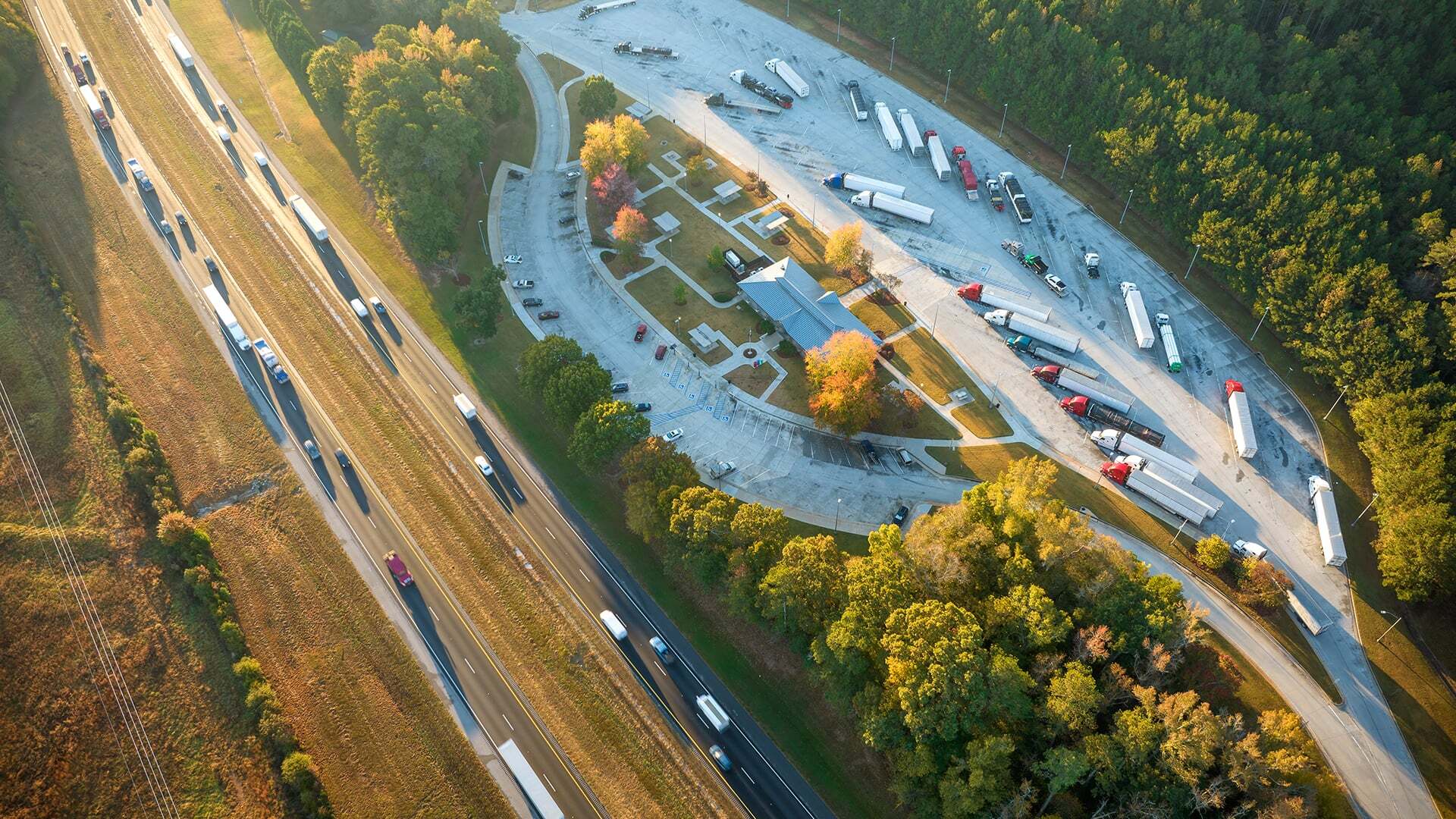
All industries are feeling the impacts of high inflation, and commercial auto is certainly not immune. In the American Transportation Research Institute’s (ATRI) most recent Operational Costs of Trucking report, they found that, in total, commercial auto operational costs have increased by roughly 21% since the previous year. These costs include everything: fuel, wages, maintenance — and insurance.
As a retail agent, it’s critical to understand the economic and social inflation challenges impacting your clients’ overall operating costs, and how insurance factors into those costs.
Fluctuating Fuel Prices
The commercial auto sector is highly sensitive to fuel prices, and recent pricing volatility has had a direct impact on trucking companies’ operational expenses. According to the ATRI’s 2023 report fuel accounted for 28% of operating costs, and 2022 saw a 54% increase in fuel spending industry-wide over the previous year. Elevated fuel prices not only strain the budgets of fleet operators but also disrupt long-term financial planning.
There is hope on the horizon, however. The U.S. Energy Information Administration projects that the average gasoline and diesel prices will decrease in 2024 and 2025, which would ease this expense for trucking companies moving forward.
Driver Shortages and an Aging Workforce
For some time now, the commercial auto sector has been grappling with a shortage of qualified drivers. According to the American Trucking Association, the trucking industry is in need of over roughly 78,000 drivers to fill the current demand — and that number is expected to grow to nearly 1.2 million by 2031. Thanks, in large part, to an aging workforce, the industry is struggling to keep up. The average driver age is 48-52, and with a large segment of truckers rapidly approaching retirement, there simply isn’t enough young talent coming in to fill the void.
One way the industry has attempted to attract more drivers is by raising pay and overall benefits. An analysis conducted by the American Transportation Research Institute revealed that total driver compensation increased 12.3% in 2022.
Increasing Repair Costs
Commercial auto is also facing an uptick in repair and replacement costs, which have risen an average of 12% over the past several years. Rising costs for parts and labor could initially be attributed to supply-chain delays created by COVID, but our recent inflationary environment continues to exacerbate the problem.
Court Backlogs and Social Inflation
During the pandemic, the court system came to a grinding halt and the time it took to settle claims cases increased dramatically. According to Thompson Reuters, the total backlog of cases rose to roughly 1,274 per state. As those cases work their way through the court systems, insurance companies are getting hit with the backlogged liability claims all at once.
To make matters worse, commercial auto is among the sectors most impacted by social inflation. A 2023 study from the Insurance Information Institute estimates that between 2012 and 2021, social inflation increased commercial auto liability by more than $30 billion.
Rising Insurance Costs
All of the factors mentioned above culminate in creating a perfect storm in the commercial auto insurance market. Carriers are facing high claim costs due to things like higher repair/replacement costs, increased risks posed by a limited workforce, and increased litigation expenses and payouts. According to the Insurance Information Institute, commercial auto liability insurance claim payouts are between $35 billion and $44 billion higher than they were a decade ago. As a result, carriers have responded by passing some of the burden on to policyholders and raising premiums.
What You, As an Agent, Can Do
As a retail agent, you can’t control the inflationary environment or the rising operational costs that your commercial auto clients have to contend with. However, there are a few things you can do to support them as they reconcile insurance costs within the context of their overall expenses and budget.
- Get a jump on renewal conversations. Initiating renewal conversations early helps avoid any last-minute surprises about potential premium increases. It also offers an opportunity for you to assess any changes in the client’s operations, discuss general insurance claims trends, review the client’s individual claims history, and explore potential adjustments to coverage to account for evolving business needs.
- Comb through coverage terms. Carefully exploring your clients’ policy terms ensures they have the appropriate protection for their specific operational risk. By identifying potential coverage gaps or redundancies, you optimize insurance programs and potentially identify areas where costs can be minimized.
- Implement risk management practices. If you haven’t already, position yourself as a resource for risk management strategies. Work alongside your clients to develop and implement comprehensive safety programs, driver-training initiatives, and maintenance protocols. A focus on risk reduction not only improves overall safety but also positively influences insurance premiums.
At Jencap, we have a team exclusively dedicated to understanding the risks and needs of the commercial auto industry. Whether your clients specialize in long-hauls or last-mile delivery, we work alongside you to find coverage solutions that fit their unique needs and circumstances. Contact Jencap today for a quote.
The Jencap Transportation/Garage Insurance Team
If your risk has wheels, Jencap’s transportation and garage team has a broad range of
insurance solutions for you. Our industry-leading underwriters are always imagining what’s ahead of the curve in the transportation industry and ready to combat any current or future challenges that may exist in the marketplace.