
It’s no secret that we as a society, especially as consumers, are glued to our phones. In fact, a recent survey of 2,000 Americans showed that we check our phones on average 80 times a day, with some checking their phones up to 300 times a day. You may be checking your phone while you read this. With this in mind, new mobile-based companies have boomed in recent years and have altered the way we communicate, date, work, study, buy and eat things.
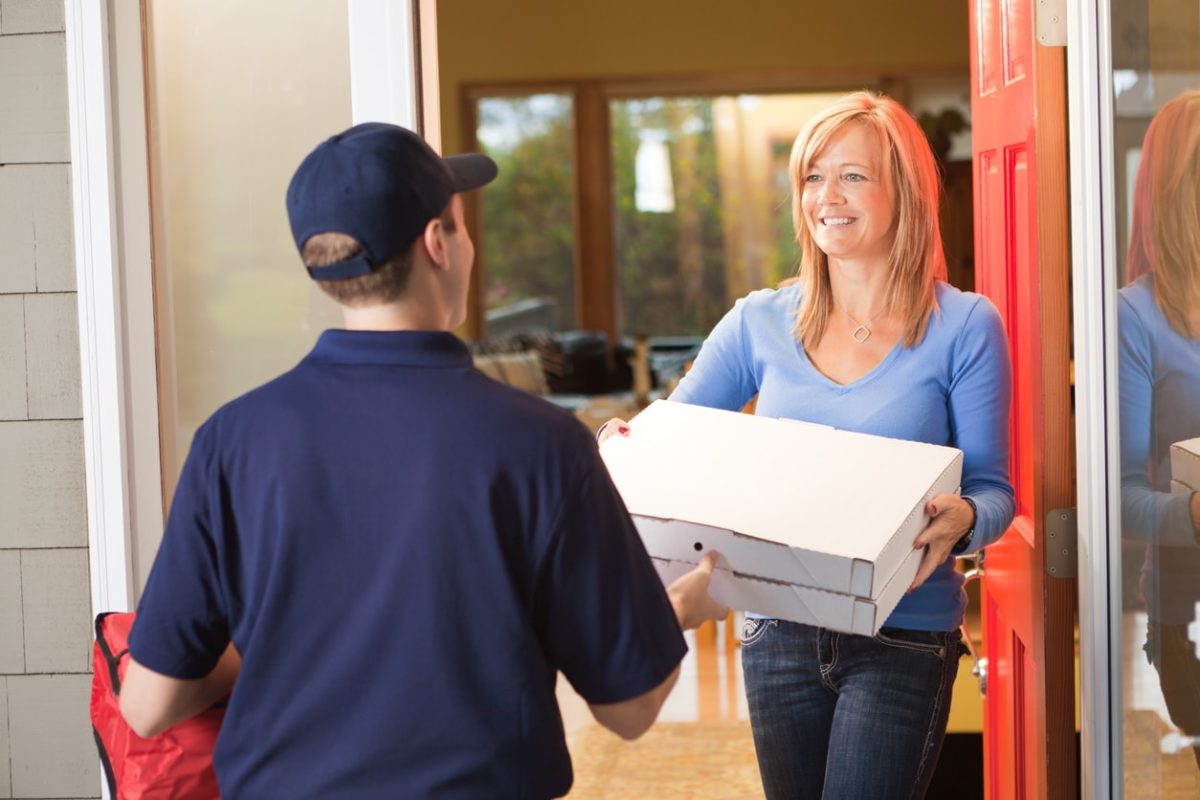
With this in mind, companies have jumped on the opportunity to boost their business and spread out into other services like Uber, which started out as a ride-sharing company and now offers food delivery. Or GrubHub, which initially offered food delivery from local businesses, now offers extensive options to grab dinner from any major chain. But this on-the-go industry has also affected the people working within it, the delivery drivers; specifically, it has put into question how they get their insurance and what kind of insurance they need.
Personal Insurance Policy
It’s more than likely that a driver’s personal insurance policy does not cover them in the scope of their food delivery job. Food delivery has always been a risky business, but with this newer landscape of delivery service (i.e. tech-driven delivery companies) there is even more risk. From traffic jams to fender benders, pedestrian incidents to backing into fire hydrants, the same risks that daily commuters face are there for delivery drivers. So, who gets the blame and who pays the price?
A personal insurance policy is simply that: personal, not business. Delivering food for Uber or GrubHub or Postmates or the pizza shop down the street are not classified as personal. Why? Well, insurers know that drivers operating their vehicles for commercial use spend a lot of time on the road, which means higher risk overall, which ultimately means more out of pocket for the company.
Getting Insured
There are options for delivery contract drivers looking to supplement their insurance and stay protected on the road. Some employers do provide coverage known as hired and non-owned vehicle liability insurance for their drivers when they use their personal vehicles for work-related activities (mostly deliveries).
One common choice is to go the commercial auto insurance route, which provides liability and physical damage protection for vehicles that are used for business purposes. However, this coverage is designed for vehicles owned by a business, typically company cars and fleets. Though employees driving their own vehicles for work purposes are not covered by Commercial Auto insurance, they can still be held liable for damages caused on these errands, making another form of insurance necessary.
Because many food delivery workers utilize their own personal vehicles for their work, this becomes a Hired and Non-owned coverage exposure rather than a Commercial Auto liability, and we recommend that a food courier use HNO coverage. Whether the worker is a full-time employee or an independent contractor, their employer will be liable for any accidents or damages that occur during their work, and our exclusive program can provide coverage to both types of workers.
The Jencap Transportation/Garage Insurance Team
If your risk has wheels, Jencap’s transportation and garage team has a broad range of insurance solutions for you. Our industry-leading underwriters are always imagining what’s ahead of the curve in the transportation industry and ready to combat any current or future challenges that may exist in the marketplace.
Trends & White Papers
Agent’s Guide to Professional Liability Gaps (and How to Close Them)
Professional risks are evolving faster than most coverage forms can keep up. The difference between protection and exposure often comes down to the fine print. Do you know how to read between the lines? Jencap’s professional lines specialists do, helping you see what others might miss.
The New Era of Workers' Compensation: Powered by Data, Driven by Outcomes
Cracking the CAT Modeling Code
Is Going Green Good?
Chronicles of Casualty
Navigating the New Frontiers of Professional Lines Insurance
Preparing for The Future of Cannabis Insurance
How Climate Change is Shifting the Insurance Industry
Garage Gurus: Garage Coverage Explained
Riding The Waves of Change Insurance Industry Outlook
Podcasts

Flip the Cap Episode 22: Jencap 10 Year Anniversary Edition: John Jennings on Growth, Culture, and What’s Next

Apr 7, 2026
Flip the Cap Episode 21: Global E&S Trends, Emerging Risks and 2026 Predictions

Nov 12, 2025
Flip the Cap Episode 20: The Energy Pivot: What’s Here to Stay and What’s On the Way

Aug 27, 2025
Flip the Cap Episode 19: Cannabis Insurance Insights: Regulatory Shifts, Coverage Gaps & Expert Strategies

Jul 31, 2025
Flip the Cap Episode 18: The Big Build: Inside Construction Wrap-Up Programs

Apr 24, 2025
Flip the Cap Episode 17: Flames of Uncertainty: How Wildfires Are Shaping Insurance
Mar 20, 2025
Recent Posts
The Technology Signals Reshaping Transportation Risk in 2026
Apr 25, 2026
Cannabis Insurance in Newly Legalized States

Apr 14, 2026
Renewable Energy Risk Trends for Insurance Agents
Apr 9, 2026
Flip the Cap Episode 22: Jencap 10 Year Anniversary Edition: John Jennings on Growth, Culture, and What’s Next

Apr 7, 2026
Common Gaps in Watercraft & Yacht Insurance Coverage
Mar 26, 2026
PFAS Disposal Rules Shift Again
Mar 19, 2026