Somewhere, right now, a mid-sized manufacturing client is filing their fifth workers’ comp claim in less than 12 months—this time for a preventable forklift accident. When the carrier reviewed the loss history, premiums increased, credits were removed, and maybe a debit took their place, or worse, a non-renewal notice was issued. Let’s not forget the impact the experience modification factor will take the following year. And the agent? Left scrambling to salvage the relationship.
As an insurance professional, you’ve likely seen this scenario play out. The difference between a controllable risk and a costly claim often comes down to one thing: whether the employer has done their part to create a truly safe work environment. Understanding and proactively addressing employer responsibilities is one of the most effective ways to help your clients reduce claim frequency, lower costs, and stay insurable.
Understanding Employer Responsibilities Under OSHA and Workers’ Comp Laws
Workplace safety isn’t optional. It’s legally required. According to the Occupational Safety and Health Administration (OSHA), employers are obligated to provide a work environment “free from recognized hazards that are causing or are likely to cause death or serious physical harm.” Here are a few core workplace safety responsibilities every employer must meet:
- Identify and correct workplace hazards. Conduct regular risk assessments and address safety issues promptly.
- Provide proper training and safety equipment. Workers must be trained on safe practices, and personal protective equipment (PPE) should be provided when necessary.
- Display required OSHA postings and cooperate with inspections. Employers must make safety information accessible and respond appropriately to compliance visits.
In addition to OSHA, state workers’ compensation laws require employers to carry insurance, maintain accurate injury records, and report claims in a timely manner. Failure to meet these responsibilities can not only result in regulatory penalties but also complicate claim outcomes, increase costs, and open the door to legal liability.
The True Cost of Getting It Wrong
Workplace safety failures don’t just result in fines and headlines—they can have life-altering consequences for employees and their families. For businesses, the impact goes beyond compliance penalties. A single incident can trigger a cascade of financial, reputational, and operational challenges that are difficult to recover from.
In February 2025, a worker at a construction site in Edgartown, Massachusetts tragically lost his life after a fall. OSHA cited the employer, Empire Builders, for failing to provide proper fall protection training—a basic yet critical safety measure. The company faced steep fines, but the real cost can’t be measured in dollars. It’s a sobering reminder that what’s at stake is more than compliance—it’s human lives, and the ripple effects extend to grieving families, shaken workforces, and damaged reputations.
In August 2024, an electrician was electrocuted at Tesla’s Gigafactory in Austin, Texas. OSHA issued multiple citations and nearly $50,000 in fines for serious violations, but the loss of life made national news. Public trust was shaken, and questions about workplace safety took center stage. These tragedies, while devastating personally, also highlight how quickly a company’s brand and culture can be impacted.
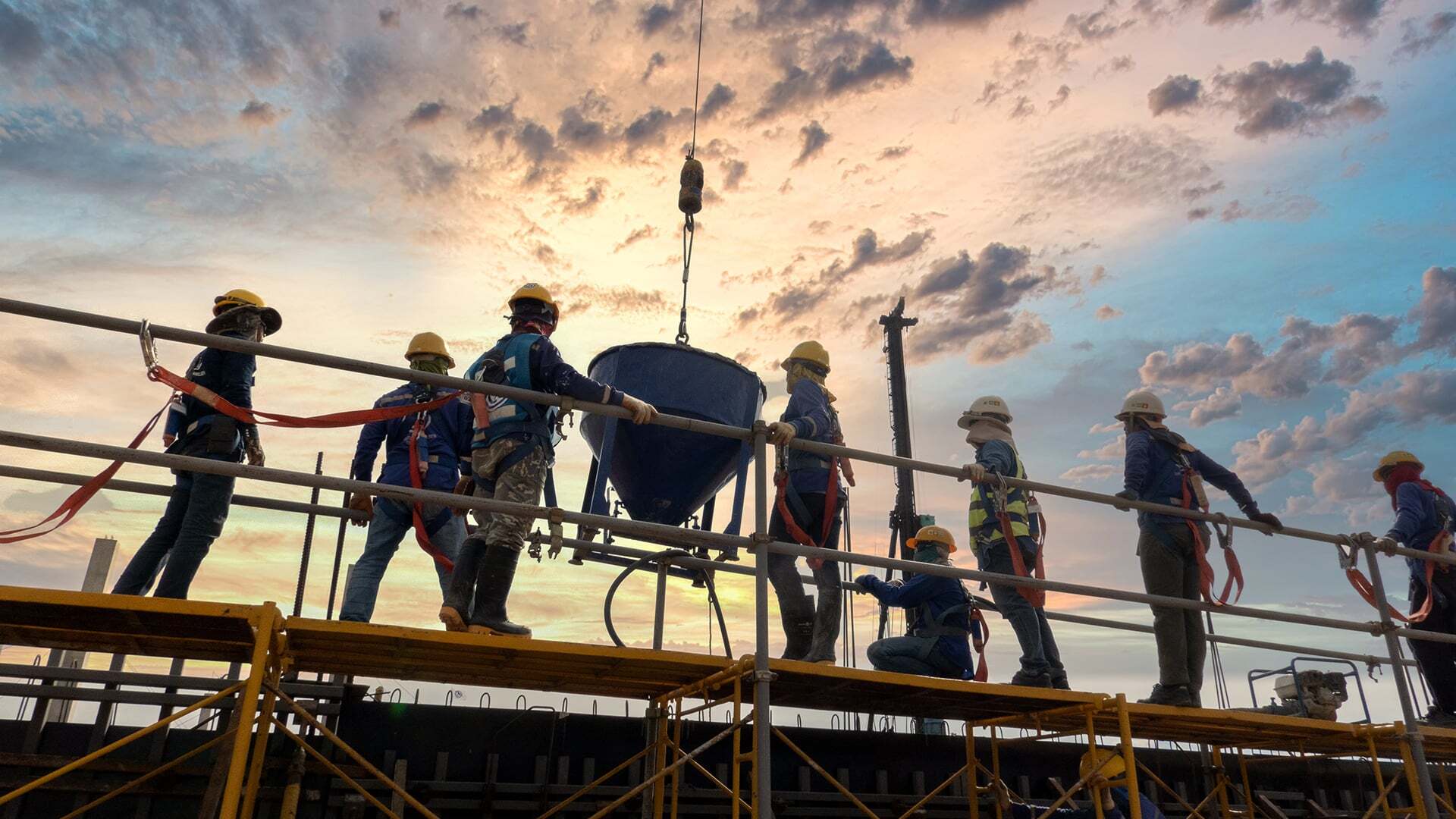
In another incident in April 2025, three workers died when scaffolding collapsed at a construction site in Port Arthur, Texas. Operations were immediately suspended, and internal reviews began. The human loss was immeasurable, compounded by the operational impact of project delays, regulatory investigations, and long-term reputational risks.
For insurance agents, these stories are powerful reminders of why proactive safety planning isn’t just about protecting a balance sheet—it’s about protecting lives. And when safety systems break down, the consequences extend far beyond any claim or citation.
Prevention in Practice: Building a Culture of Safety
So, how do you help clients reduce claims and improve their workers’ comp profile? It starts with the clients implementing the right safety measures, and goes further by embedding them into the company’s culture.
Are your clients implementing these smart safety tactics?
- Conduct regular hazard assessments. Walk the floor, document hazard concerns, and act on them.
- Deliver clear, consistent training. From onboarding to ongoing sessions, ensure employees know the risks and how to avoid them.
- Encourage reporting. Foster a workplace where employees feel safe to report near-misses and unsafe conditions.
- Maintain equipment and enforce PPE standards. Small issues, like a frayed cord or a broken face shield, can lead to big claims.
- Establish safety committees. Engage employees in daily or weekly “toolbox talks” to reinforce awareness and accountability.
Creating a culture of safety means leadership sets the tone, safety becomes part of everyday operations, and employees are empowered to speak up and act responsibly. When safety becomes second nature, the results are clear: fewer and less severe injuries, lower mod factors and premiums, better outcomes at renewal, and a stronger, more resilient workforce overall.
How Jencap Supports Complex Workers’ Comp Risks
Even when clients have solid safety protocols in place, some risks are still difficult to place—especially those in high-hazard industries, with elevated experience mods, or a challenging claims history. That’s where Jencap becomes a strategic partner.
Our workers’ compensation experts work closely with insurance agents to navigate these complexities, offering:
- Access to a broad network of A-rated, admitted carriers experienced in high-risk classes
- Deep underwriting insight to help tailor coverage to the risk
- Support through audits, renewals, and mod management strategies
Whether your client is a contractor trying to regain control of their claims frequency or a manufacturer looking to improve their risk profile, Jencap provides the expertise and market relationships to help you find the right fit. Reach out today to learn how we can help you deliver smart workers’ comp solutions—no matter the challenge.

The Jencap Workers' Compensation Insurance Team
Workers’ compensation is not a generalist’s game. Jencap’s dedicated division of industry-leading workers’ compensation experts understands every facet of this
complex coverage line — from multi-state operations and high-hazard risks to United States Longshore and Harbor Workers Compensation Act (USL&H), and everything in between. No matter your clients’ industry, state, experience modification factor, premium size, or class code, the Jencap workers' compensation team has you covered.