Urban planning is a dynamic field, constantly evolving to meet the needs of growing populations and changing societal trends. As cities expand and modernize, addressing environmental risks and natural hazards in urban projects becomes increasingly important.
This blog explores the hidden hazards that urban planners and developers may encounter, as well as the critical role of environmental insurance in mitigating these risks.
Identifying Hidden Environmental Liabilities for Clients
In urban development, environmental liabilities often lurk beneath the surface, both literally and figuratively. These liabilities encompass a range of issues that can arise from past, present, or future activities affecting a site. Properly identifying and managing these risks is crucial for complying with environmental regulations and safeguarding development projects financially and operationally.
Here are some examples of common hidden risks:
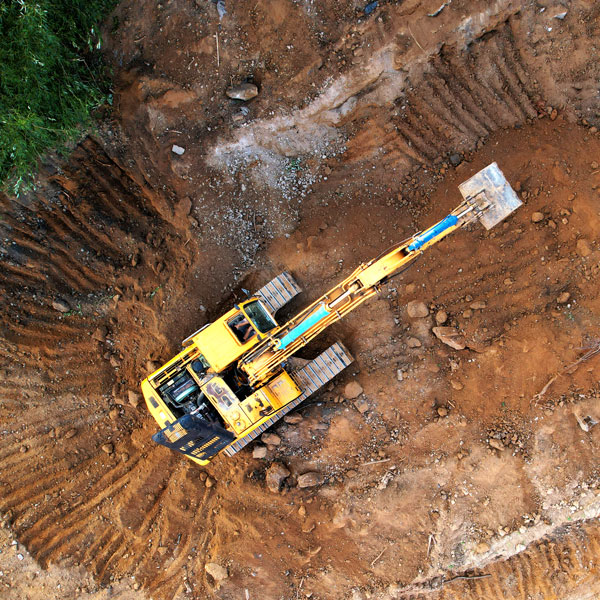
- Soil Contamination: Often a legacy of industrial use, soil contamination can remain hidden until site development begins. Common contaminants include heavy metals, hydrocarbons, and pesticides. These can pose serious health risks and lead to costly cleanup efforts.
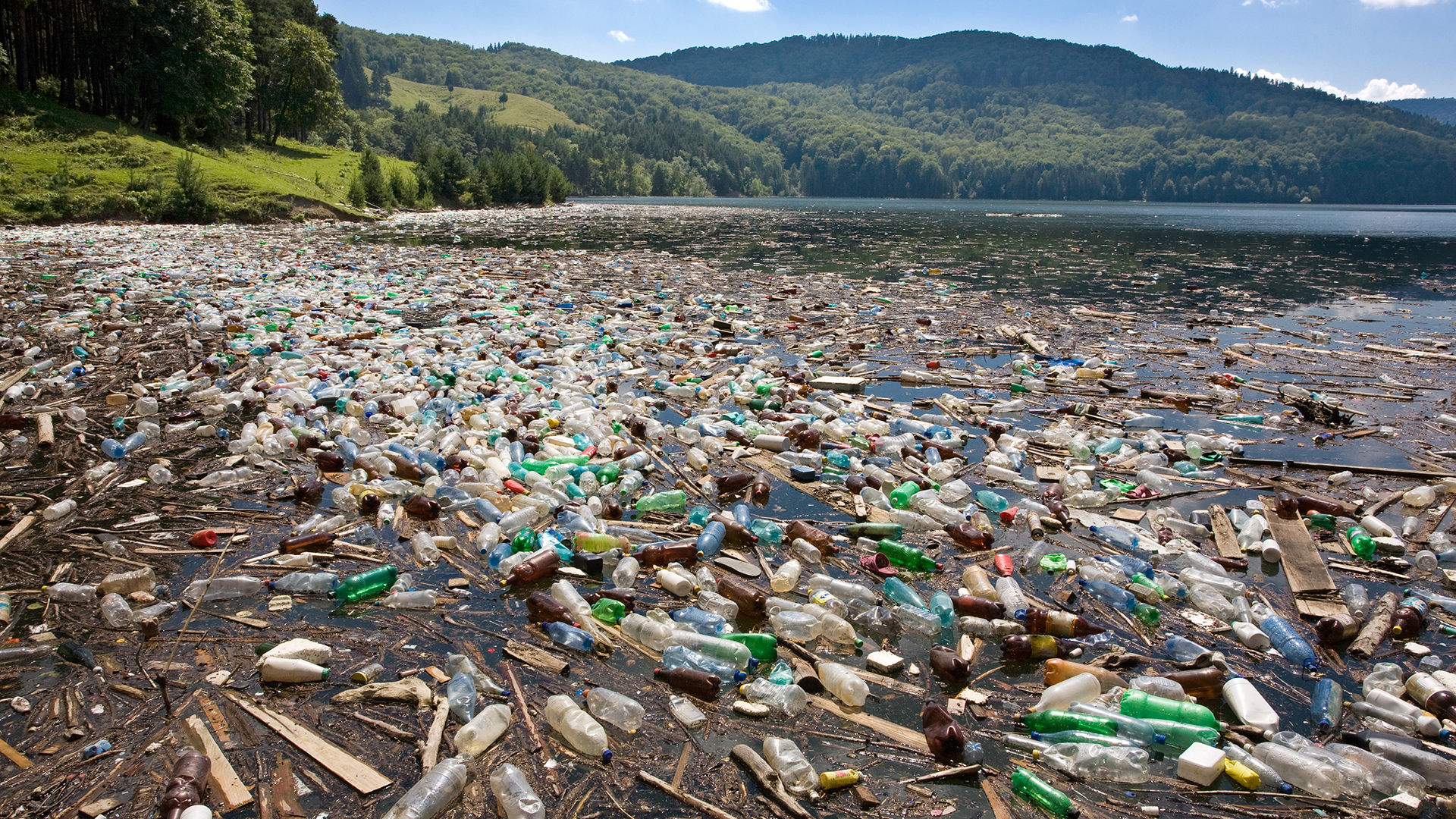
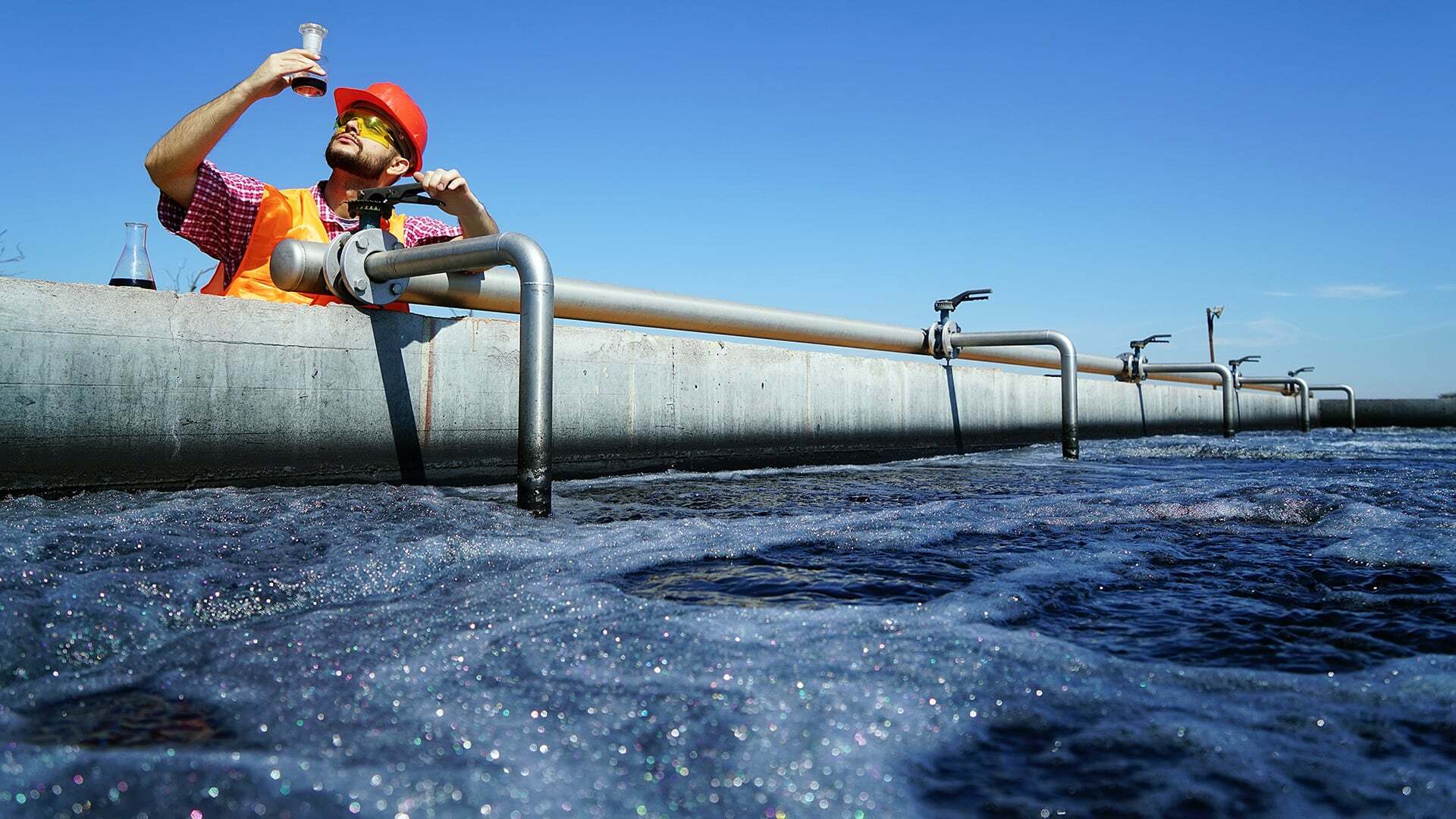
- Groundwater Pollution can result from substances like solvents and petroleum leaking into the water table. Groundwater remediation is complex and expensive, often involving long-term treatment and monitoring plans.
- Air Quality Issues: Urban areas are particularly vulnerable to air pollution from construction activities and existing industrial operations. Issues such as asbestos from older buildings and particulate matter can lead to significant health concerns and regulatory scrutiny.
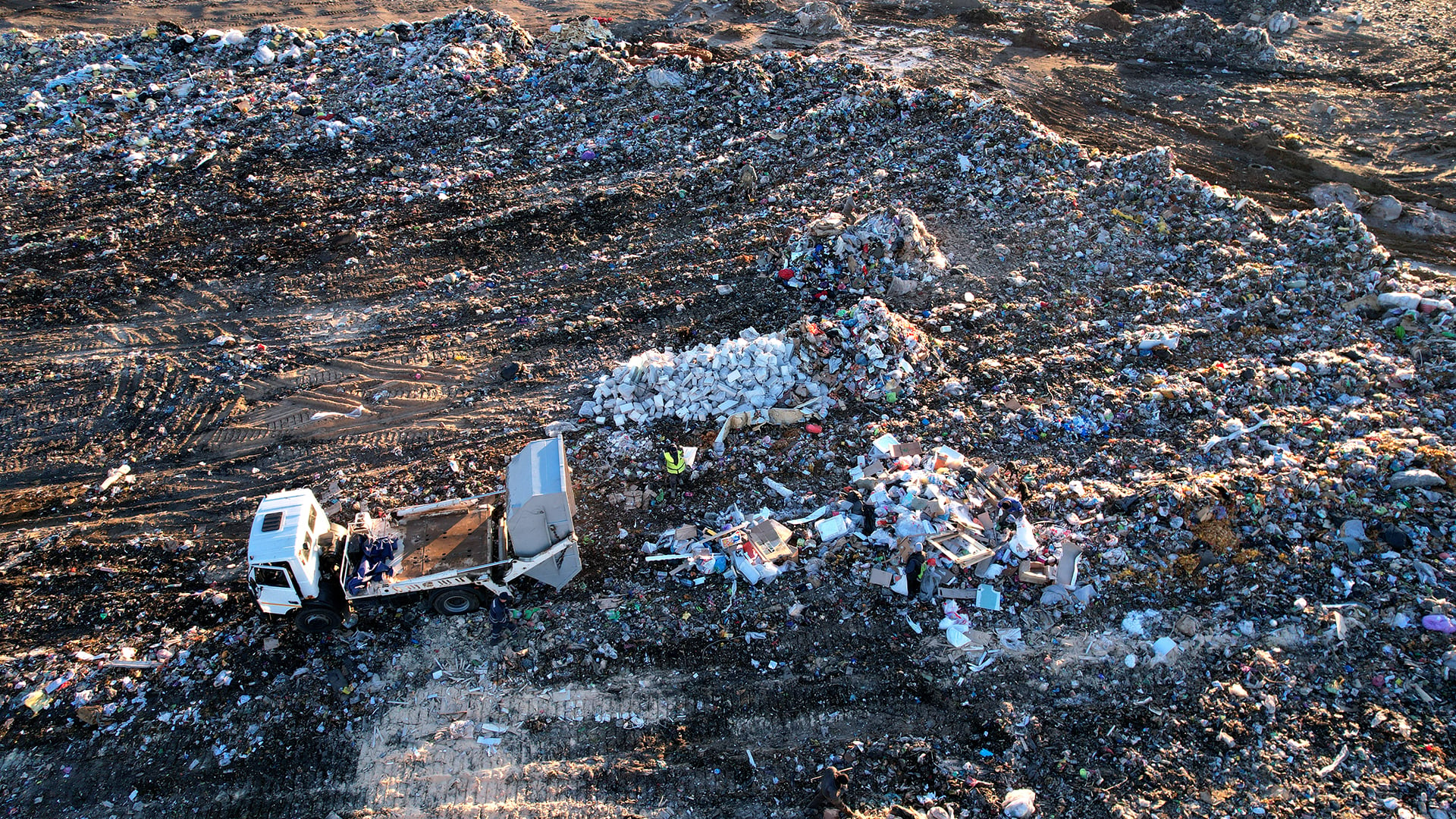
- Hazardous Materials Disposal: Improper disposal of hazardous materials can lead to severe environmental and health risks. Common materials include asbestos, lead-based paints, and chemical solvents.
Failure to recognize and address these hidden environmental liabilities can lead to severe consequences. Financial burdens can be substantial, including fines, legal costs, and the expenses associated with remediation activities. Additionally, there can be a long-lasting impact on a company’s reputation, affecting its ability to secure future projects and maintain community trust.
Why Your Clients Should Consider Comprehensive Environmental Insurance
Standard insurance policies often fall short when it comes to covering environmental risks associated with urban development. Typically, these conventional policies address more straightforward or anticipated risks. Examples include property damage from fire or theft and liability related to clear-cut cases of bodily injury or property damage.
However, environmental risks can be insidious and complex. They may emerge long after a project has been completed or even from historical contamination not originally caused by the policyholder.
Environmental insurance fills these gaps by providing financial protection against unforeseen environmental liabilities, such as cleanup and remediation costs arising from soil or groundwater contamination discovered during development. It also covers bodily injury claims linked to exposure to hazardous materials and property damage caused by environmental incidents. Additionally, this specialized insurance includes liability protection, shielding stakeholders from legal ramifications arising from environmental incidents. For instance, if a developer inadvertently disturbs a previously unknown contamination site, environmental insurance can cover the costs of legal defense and any required settlements.
Beyond direct financial impacts, environmental insurance also supports project continuity. Standard policies may expose developers and investors to project delays or shutdowns because of environmental issues. Environmental insurance provides the resources to address these challenges promptly, ensuring that projects can proceed with minimal disruption. This type of insurance is particularly critical in urban areas, where the probability of encountering environmental issues is higher thanks to the dense concentration of past and present industrial activities.
Why Jencap Makes a Great Partner for Agents
The dynamic nature of environmental regulations means that they constantly change and adapt to new scientific discoveries, technological advancements, and societal concerns. As a result, staying compliant with these regulations and effectively managing environmental risks requires ongoing vigilance and proactive strategies. Who has time for that? Lucky for you, that’s where we come in.
Jencap shines as a reliable and trusted partner for agents immersed in addressing the intricacies of urban planning. Our dedicated environmental division is specifically designed to cater to the ever-evolving landscape of environmental regulatory compliance and risks. Our tailored solutions empower agents with the essential tools and robust support necessary to deftly manage and mitigate environmental challenges on behalf of their clients.
Offerings like environmental insurance and pollution insurance play a pivotal role in urban sustainability and resilience. Addressing hidden hazards and providing financial protection enables project owners, developers, and investors to pursue urban development initiatives confidently. As cities continue to evolve, prioritizing environmental protection through comprehensive insurance solutions becomes paramount for ensuring long-term sustainability and community well-being. Contact us today to learn more or to get a quote for your clients’ environmental insurance needs.
The Jencap Construction Insurance Team
Jencap’s construction experts specialize in a variety of construction-related coverages—from commercial general liability and professional liability to wrap-ups and workers’ compensation, and beyond. Jencap has dedicated teams of construction brokers for every risk type, account size, and geographic area in the country. We have broad market access to brokerage and binding authority and can offer exclusive program solutions to fit any construction need.
Explore Further
Flip the Cap Episode 20: The Energy Pivot: What’s Here to Stay and What’s On the Way
Aug 27, 2025
PFAS Risks: How to Protect Your Clients from Long-Tail Liability
Aug 7, 2025
Understanding PFAS Risks: What Agents Need to Know About “Forever Chemicals”
Jul 17, 2025
Why Environmental Claims Are Spiking — And What Agents Need to Know

Mar 20, 2025
Forever Filing: The Rise of PFAS Litigation
Feb 13, 2025
Navigating the Complex World of PFAS Liability
Sep 5, 2024
Flip the Cap Episode 13: Loren Henry, Recharging the Energy Sector

Jun 20, 2024
Hidden Hazards in Urban Planning: Importance of Environmental Insurance
May 2, 2024
Shedding Light on NEM 3.0’s Impact on California Solar Market and Insurance
Feb 22, 2024
Importance of Insurance for Underground Storage Tanks (USTs)
Nov 30, 2023
Flip the Cap Episode 1: All Things Environmental with Canaan Crouch
Oct 20, 2022
Jencap Launches Cannabis Site Pollution Liability (SPL) Insurance Program
Jun 8, 2022
Trends & White Papers
Agent’s Guide to Professional Liability Gaps (and How to Close Them)
Professional risks are evolving faster than most coverage forms can keep up. The difference between protection and exposure often comes down to the fine print. Do you know how to read between the lines? Jencap’s professional lines specialists do, helping you see what others might miss.
The New Era of Workers' Compensation: Powered by Data, Driven by Outcomes
Cracking the CAT Modeling Code
Is Going Green Good?
Chronicles of Casualty
Navigating the New Frontiers of Professional Lines Insurance
Preparing for The Future of Cannabis Insurance
How Climate Change is Shifting the Insurance Industry
Garage Gurus: Garage Coverage Explained
Riding The Waves of Change Insurance Industry Outlook
Podcasts
Flip the Cap Episode 22: Jencap 10 Year Anniversary Edition: John Jennings on Growth, Culture, and What’s Next

Apr 7, 2026
Flip the Cap Episode 21: Global E&S Trends, Emerging Risks and 2026 Predictions
Nov 12, 2025
Flip the Cap Episode 20: The Energy Pivot: What’s Here to Stay and What’s On the Way
Aug 27, 2025
Flip the Cap Episode 19: Cannabis Insurance Insights: Regulatory Shifts, Coverage Gaps & Expert Strategies
Jul 31, 2025
Flip the Cap Episode 18: The Big Build: Inside Construction Wrap-Up Programs
Apr 24, 2025
Flip the Cap Episode 17: Flames of Uncertainty: How Wildfires Are Shaping Insurance
Mar 20, 2025
Recent Posts
The Technology Signals Reshaping Transportation Risk in 2026
Apr 25, 2026
Cannabis Insurance in Newly Legalized States
Apr 14, 2026
Renewable Energy Risk Trends for Insurance Agents
Apr 9, 2026
Flip the Cap Episode 22: Jencap 10 Year Anniversary Edition: John Jennings on Growth, Culture, and What’s Next

Apr 7, 2026
Common Gaps in Watercraft & Yacht Insurance Coverage
Mar 26, 2026
PFAS Disposal Rules Shift Again
Mar 19, 2026