Across many industries, underground storage tanks (USTs) play a crucial role in storing everything from fuel to industrial chemicals and other hazardous substances. However, with great utility often comes great responsibility, and ensuring these tanks are adequately protected is a task not to be taken lightly.
In the 1980s, the U.S. Environmental Protection Agency (EPA) began regulating underground storage tanks in an effort to tighten up tank safety and prevent leaks and spills. Businesses can face hefty fines if they neglect to comply with the EPA’s safety regulations. Over the past several decades, UST owners and operators have begun replacing sub-standard tanks with those made from better, more secure materials. They’ve also adopted a wide range of new tools and technologies to help monitor and prevent incidents before they occur.
Despite the advances in UST technology and rigorous regulatory action from the EPA, accidents can still happen, underscoring the importance of staying up on regular monitoring, maintenance, and other risk mitigation measures — including insurance coverage tailored specifically to USTs. In this blog post, we will explore the importance of insurance for USTs, shedding light on common risks and exploring why businesses with USTs should prioritize securing the right insurance.
What are Underground Storage Tanks?
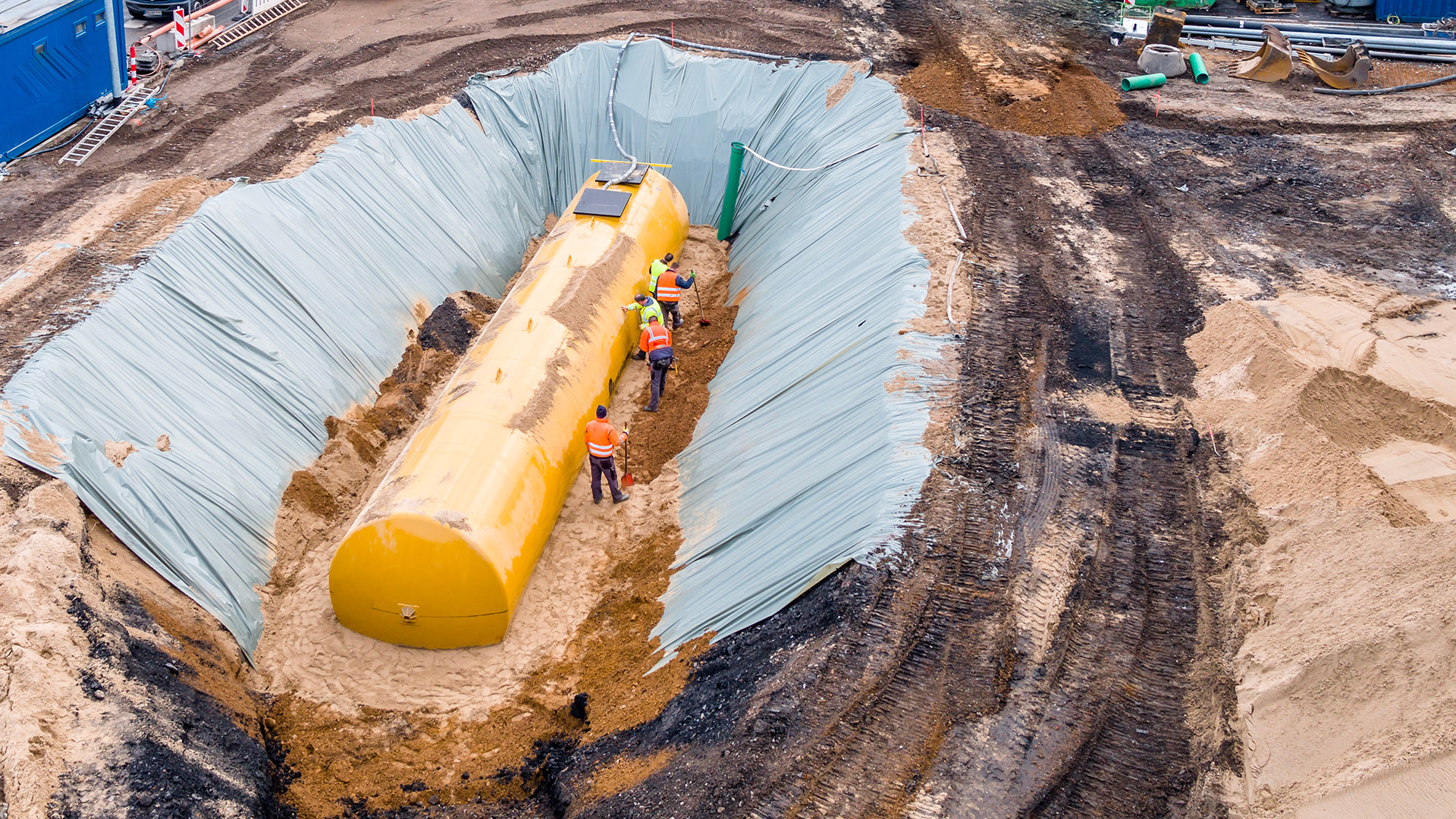
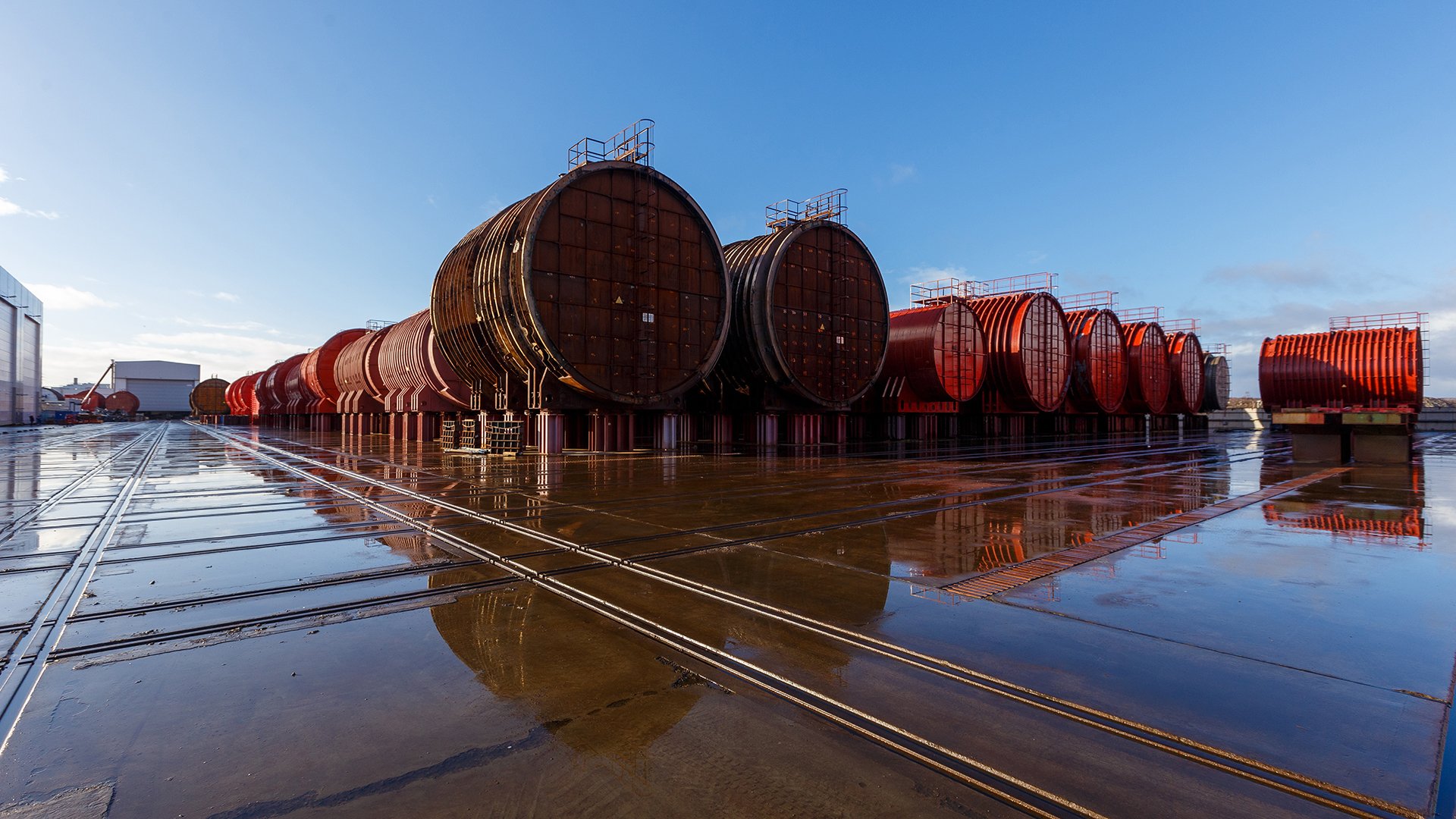
Underground storage tanks, or USTs, are commonly used across a number of industries to store liquids such as fuel, chemicals, or hazardous materials underground. There are approximately 542,000 underground storage tanks across the United States, and they serve as vital components for daily operations in many businesses.
- Schools or universities may have USTs to store heating oil, which is used to regulate building temperatures.
- Airports, auto dealerships, and businesses with large fleets of vehicles frequently use USTs for on-site fueling stations or to store other commonly used chemicals like oils, coolants, and transmission fluids.
- Gas stations all use USTs to store and dispense gasoline, diesel, and other types of fuel to their customers.
- Manufacturing plants often use USTs to store raw materials or chemicals for research and product development.
- Construction companies may use USTs to store fuels and lubricants for heavy machinery and equipment used on construction sites.
- Hospitals and healthcare facilities can use USTs to store emergency backup power sources like diesel fuel for generators.
- Waste management and recycling centers may use USTs for the storage of waste oil, hydraulic fluids, or other materials generated during the recycling or disposal process.
- Hotels and resorts might use USTs to store propane or other fuels to power and heat amenities like swimming pool heaters, backup generators, and kitchen equipment.
- Farms and agricultural operations can use USTs to store fuel for tractors, trucks, and other machinery. USTs can also store fertilizers, pesticides, and other agricultural chemicals.
Necessary But Risky Business
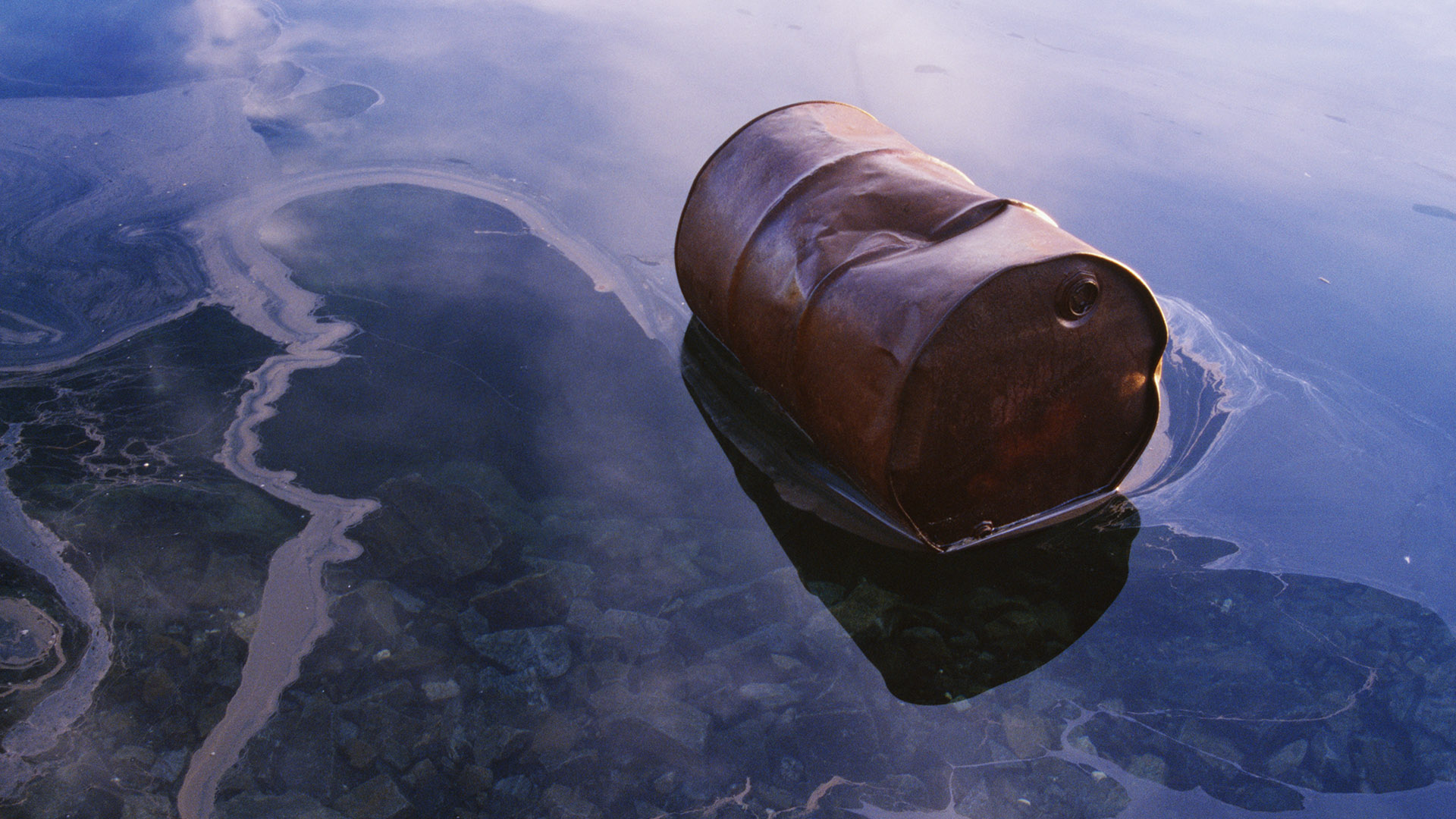
While USTs offer practical solutions for storage, they require constant monitoring and maintenance because leaks can have devastating impacts. Corrosion, manufacturing defects, improper installation or maintenance, and damage from a weather-related event or other accident can all lead to a litany of dangerous and costly problems.
A damaged or compromised tank can leach fuels or chemicals into surrounding soil and groundwater, contaminating the local food and water supply. This can pose immediate health and safety risks and have long-lasting effects, including increasing risks of certain types of cancers and other severe health conditions. A ruptured or leaking UST can also cause substantial property damage. The corrosive nature of some chemicals can damage surrounding infrastructure, including buildings, roads, and utilities.
Imagine this scenario, a local manufacturing plant has underground storage tanks it uses to house chemicals for product development. Unbeknownst to the plant’s operators, the UST was installed with a faulty pipe that connects the tank to the dispenser responsible for releasing the chemicals. An earthquake hits the city where the manufacturing plant is located and jostles the UST around just enough to knock the compromised pipe loose, resulting in a dangerous leak that puts the lives of the plant employees and residents in the surrounding areas at risk.
UST Insurance Coverage
All businesses—regardless of their industry, their type of work, or the type of machinery and equipment they use—should have a risk management strategy that includes proper insurance coverage. However, when it comes to businesses that use USTs, this isn’t just a strategic business decision—it’s a legal requirement.
According to regulations enforced by the U.S. Environmental Protection Agency, in order for a business to own and operate a UST, they must be able to demonstrate that they can, in the event of a spill or other incident, financially cover the costs for cleanup and other damages. The cleanup costs and legal liabilities resulting from these incidents can be monumental, and the government wants to ensure that dangerous incidents don’t go unaddressed due to insufficient resources.
UST liability insurance is one way of meeting the EPA’s requirement. Policies and terms can vary, but coverage may include:
- Third-party bodily injury
- Third-party property damage
- Legal defense fees
- On-site cleanup and remediation
- Business interruption
Challenges with Securing Tank Coverage
Despite the critical need for UST insurance, businesses often face challenges in securing adequate coverage. Many insurers are cautious due to the inherent risks associated with underground storage—particularly as USTs age. Canaan Crouch, managing director at Jencap Specialty Insurance Services and environmental expert, explains:
“The difficulty with offering UST coverage is that we are writing something similar to term life insurance, where younger risks are preferable to carriers than older risks. Typically, the cut-off for carriers offering tank coverage on an admitted basis is 30 years. Using our life insurance analogy, writing a tank older than 30 years is like writing life insurance on an 80-year-old man who has smoked his whole life, has a penchant for red meat and butter, and never exercised. There just aren’t many takers for those kinds of risks.”
For businesses relying on USTs, ensuring these underground assets are adequately secured is a non-negotiable. Although USTs are among some of the more difficult-to-place risks, businesses still can find options. Jencap’s environmental insurance brokers work with you and your clients to find the best coverage available, in either admitted or non-admitted markets.
By understanding UST risks, exploring the right insurance options, and working closely with knowledgeable insurance agents who understand developing environmental trends, businesses can fortify themselves against potential liabilities, protecting their employees, communities, environment, and their business viability. Contact Jencap today to learn more.
The Jencap Environmental Insurance Team
Jencap’s team of environmental underwriters have dedicated their entire careers to the environmental sector — they are environmental professionals that happen to sell insurance. Our brokers have backgrounds as environmental consultants and geologists, which gives you and your clients a significant advantage. When it comes to
environmental coverage, you don’t want a generalist broker. With the Jencap team, you can trust our brokers have worked every angle of the environmental industry and can customize our exclusive program capabilities for any environmental coverage need.